


7 Main Furnace Parts & Their Functions
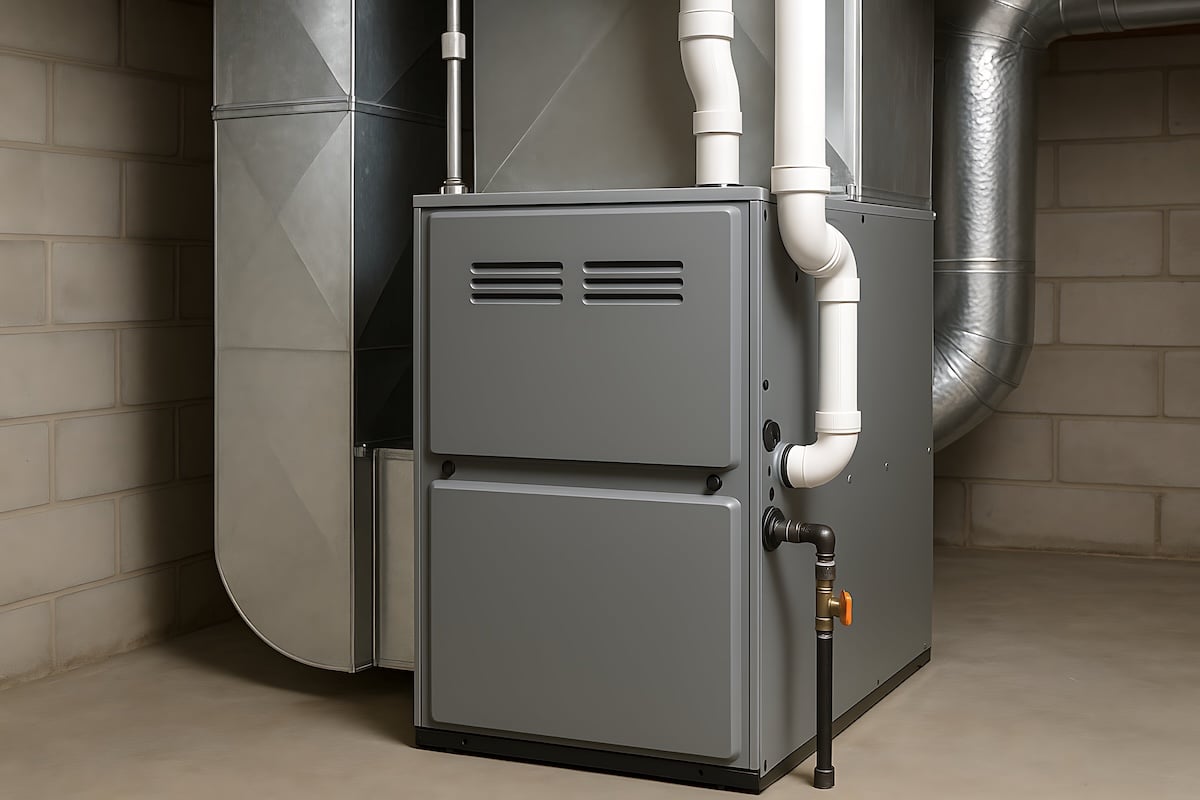
Your furnace works hard behind the scenes to keep your home warm and comfortable through Missouri’s chilly seasons. While most homeowners rarely think about how it all works, understanding the main furnace parts and their functions can help you identify problems earlier, maintain your system more effectively, and make informed decisions if repairs or replacements are needed.
Here’s what you’ll learn in this guide:
- What each key component does: From burners to blowers, we’ll explain how everything works together.
- How to spot common issues: Recognizing which part may be failing helps speed up repairs.
- When to call in a pro: Know what’s DIY-friendly and what needs expert attention.
Let’s break down the essential parts of your furnace and how they work to keep your home comfortable.
🔥 Heat Exchanger
The heat exchanger is the heart of your furnace. It’s responsible for safely transferring heat from the combustion chamber to the air that’s circulated through your home.
How It Works
Inside the heat exchanger, hot combustion gases heat metal walls. Your system then blows indoor air across the outside of those walls, warming it up without mixing it with combustion gases. This allows your home to stay safe and comfortable at the same time.
What Can Go Wrong
Cracks in the heat exchanger can lead to carbon monoxide leaks, which are dangerous. That’s why annual inspections are crucial, especially for older systems.
🌡️ Burner
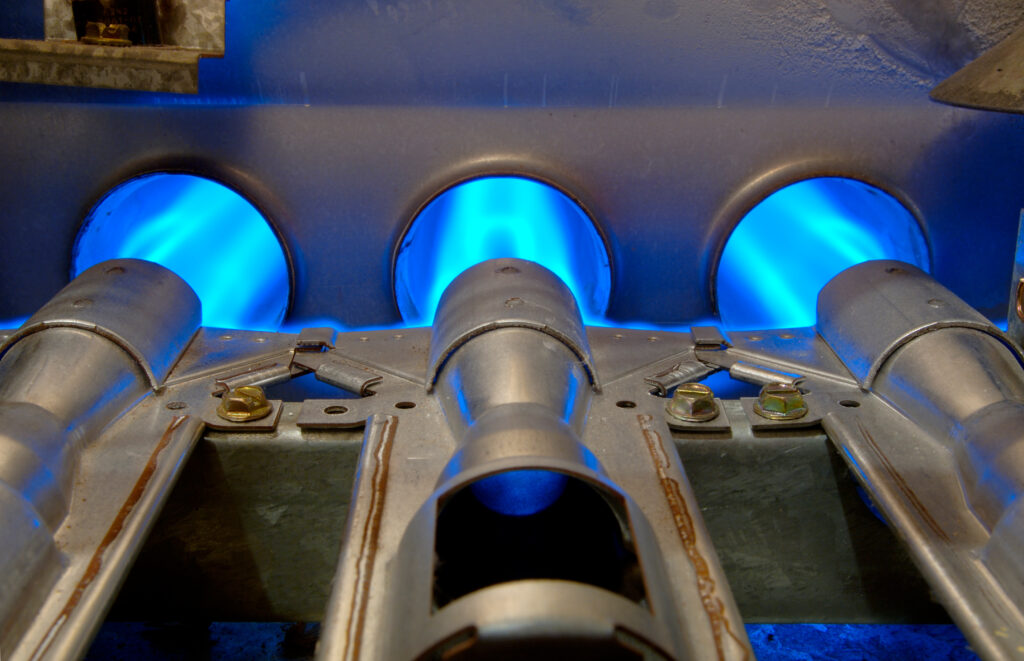
The burner is where the fuel—usually natural gas—is ignited to create the heat your furnace needs. Most furnaces have multiple burners to ensure even heating across the heat exchanger.
How It Works
When the thermostat signals a need for heat, a valve opens to allow gas into the burners. An igniter or pilot light then lights the flame. The burner stays lit until the desired temperature is reached.
Signs of Trouble
- Yellow flame: Indicates improper combustion or dirty burners.
- No flame: Could mean a malfunctioning igniter or gas valve.
💨 Blower Motor and Fan
The blower motor powers the fan that circulates air through your home’s ductwork. It draws cool air in, pushes it over the heated heat exchanger, and then sends warm air into your living spaces.
Why It Matters
Without a working blower, the warm air generated by your furnace would stay trapped and useless. This component is also active in the summer, working with your A/C system.
Common Issues
- Weak airflow: May indicate a failing motor or clogged air filter.
- No air movement: Could signal a burned-out motor or broken fan belt.
🌡️ Thermostat
The thermostat is the control center of your furnace. It monitors your home’s temperature and tells the furnace when to turn on or off to maintain comfort.
Simple But Essential
Today’s thermostats range from basic manual models to smart, Wi-Fi-connected devices. Regardless of the type, their job is to signal the furnace when heat is needed.
Signs It’s Failing
- Inaccurate readings: Your home feels too hot or cold.
- Unresponsive controls: The furnace doesn’t turn on or off properly.
⭐️ Gas Valve
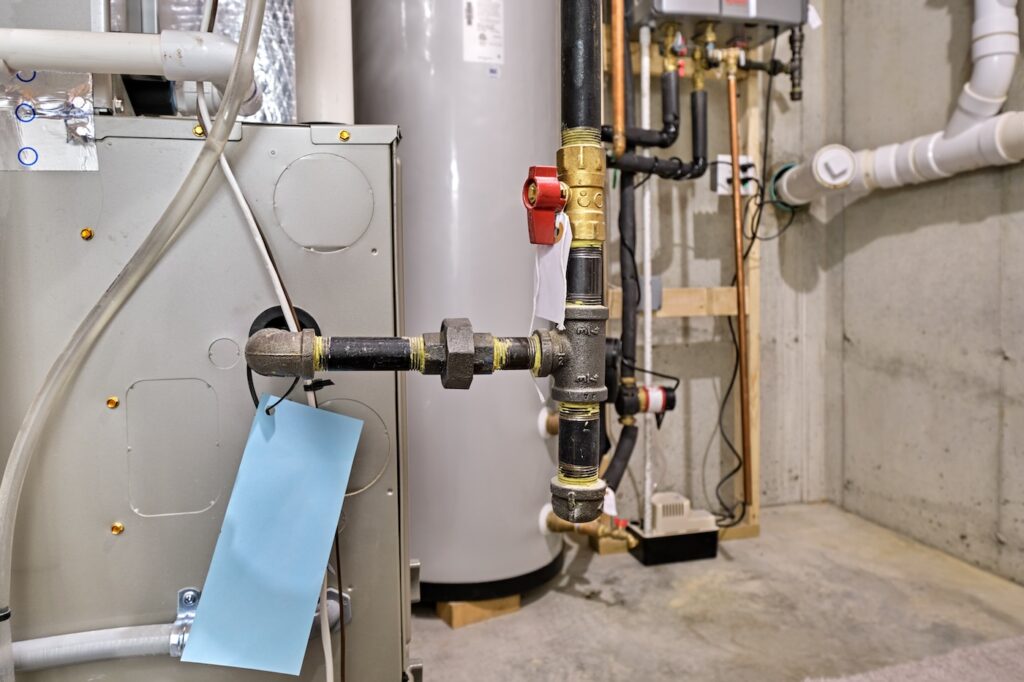
The gas valve controls the flow of fuel to your furnace’s burners. It opens when the thermostat calls for heat and closes once the target temperature is reached.
Safety Comes First
The valve is part of your furnace’s safety system. If it doesn’t receive the right signal or detects a problem, it won’t open—preventing gas from flowing when it shouldn’t.
What Can Go Wrong
- Valve won’t open: Your furnace won’t produce heat.
- Valve won’t close: Could be dangerous and should be addressed immediately by a professional.
👉 Flame Sensor or Thermocouple
This small but critical component detects whether a flame is present after the burners ignite. If no flame is detected, the sensor shuts off the gas supply to avoid a leak.
Different Names, Same Job
In older furnaces, this component is called a thermocouple. In modern systems, it’s a flame sensor. Both work to prevent gas from building up when there’s no flame to burn it.
When It Malfunctions
A dirty or damaged sensor might shut the furnace off even when everything else is working, often requiring cleaning or replacement.
💨 Air Filter
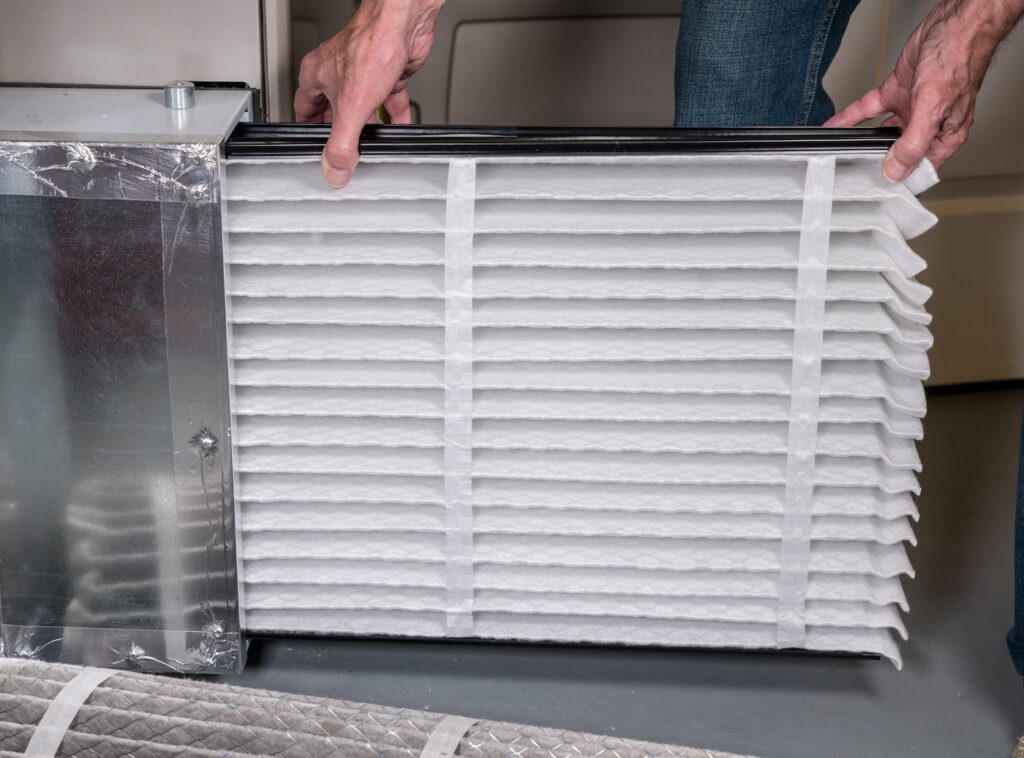
Your furnace’s air filter catches dust, dirt, and debris before they can enter your system and circulate through your home. It’s a small part that makes a big difference in performance.
Clean Filter, Clean Air
A clean filter helps your furnace run efficiently and keeps your indoor air healthier. It also protects other internal components from damage caused by dust buildup.
Signs It’s Time to Replace
- Weak airflow from vents
- Increased dust around your home
- Allergy symptoms worsening indoors
✅ 7 Main Furnace Parts and What They Do
- Heat exchanger: Transfers heat from combustion gases to indoor air without mixing the two.
- Burner: Ignites fuel to generate heat for the system.
- Blower motor: Circulates warm air throughout your home.
- Thermostat: Signals when the furnace should turn on or off based on temperature.
- Gas valve: Controls the safe flow of gas to the burner.
- Flame sensor: Detects flame presence and shuts off gas if there’s a problem.
- Air filter: Keeps dust and debris out of your system and improves air quality.
🤔 Why Understanding Furnace Parts Matters
You don’t need to be a technician to recognize when something isn’t working right. If you know the basics of your furnace’s main components, you’ll be better equipped to spot early warning signs, ask the right questions, and avoid breakdowns.
Maintenance Tips for Homeowners
- Change your air filter every 1–3 months
- Schedule annual furnace inspections
- Keep vents clear of furniture and debris
- Listen for strange sounds or new odors
🤝 Count on Lorenz for Expert Furnace Care
At Lorenz Plumbing, Heating & Air, we believe informed homeowners make better decisions—and we’re here to help every step of the way. Whether you need a seasonal tune-up, a repair to one of your furnace’s components, or a complete system replacement, our experienced technicians deliver service you can trust.
Schedule your appointment with Lorenz today and keep your home running warm and efficiently all season long.

Lorenz: Your Friends in Heating Plumbing & Air
Reach Out Today!
We’re here 24/7—send us a message and we’ll be in touch shortly.


