


How Long Does A Furnace Last? (7 Signs Of Damage)
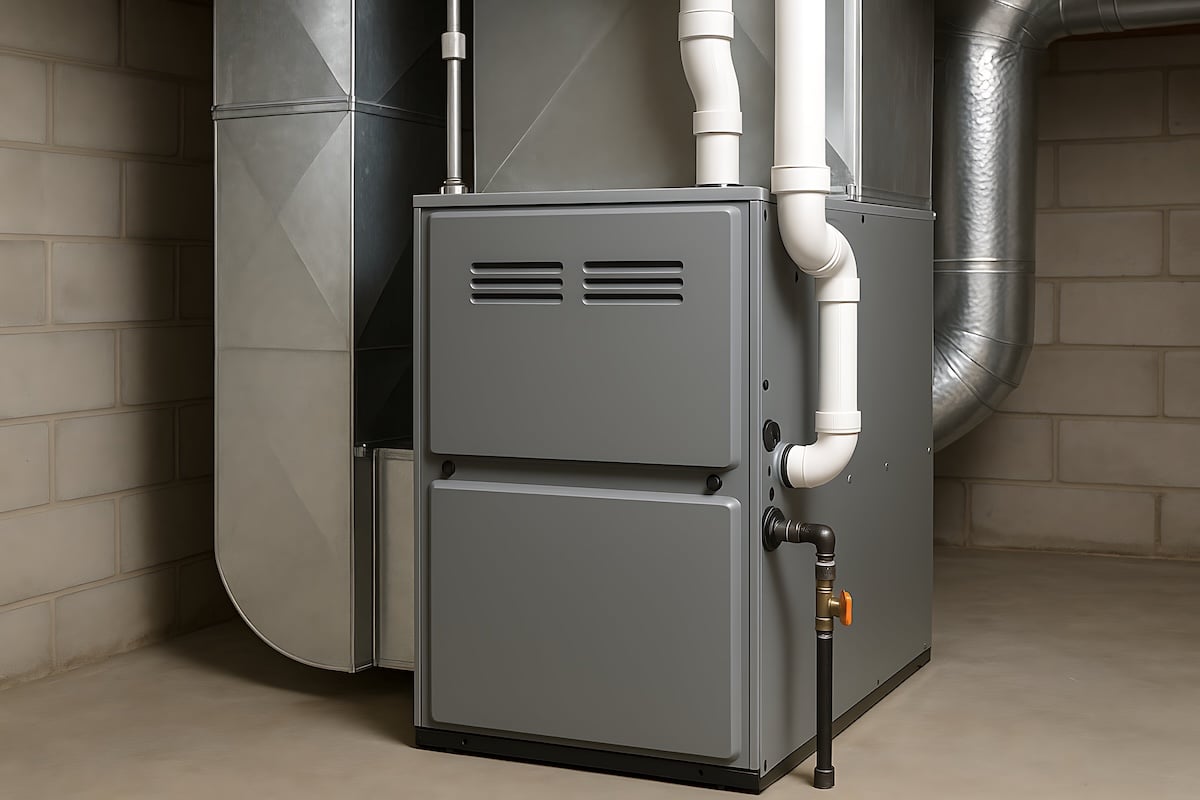
How long does a furnace last? Most furnaces have a lifespan of 15 to 20 years, but they don’t always make it that long without proper maintenance and timely repairs. If your furnace is getting older or showing signs of trouble, knowing what to look for can help you prevent a full breakdown, especially in the middle of a cold Missouri winter.
In this blog, we’ll cover:
- Average furnace lifespan and what affects it
- Key signs your furnace may be failing
- When it’s time to repair or replace
Let’s explore how to extend your system’s life and protect your family’s comfort.
⏳ What Is the Average Furnace Lifespan?
Every furnace is different, but the general expectation is about 15 to 20 years. Factors like fuel type, usage, maintenance history, and even installation quality can impact how long your system really lasts.

Gas vs. Electric vs. Oil Furnaces
While the average range applies to most systems, fuel type does play a role in longevity.
- Gas furnaces: Typically last 15–20 years, with lower fuel costs and quicker heating cycles.
- Electric furnaces: Can last up to 25 years with fewer moving parts, but tend to cost more to operate.
- Oil furnaces: Often last 15–25 years but require more frequent maintenance to stay efficient.
Professional upkeep can help all types of systems achieve the higher end of their lifespan range.
Factors That Shorten Furnace Lifespan
Beyond age and usage, external factors may lead to early furnace failure.
- Lack of maintenance: Skipping annual tune-ups allows minor issues to turn into costly damage.
- Poor installation: Improper sizing or airflow design strains your system and reduces efficiency.
- Dirty filters: Clogged filters restrict airflow, forcing the furnace to work harder and overheat.
- High humidity or leaks: Moisture causes rust and internal corrosion over time.
Many of these issues are preventable with regular checkups and timely repairs.
How Long Does a Furnace Last With Maintenance?
A furnace that receives annual service is far more likely to reach or exceed 20 years. When you take care of your system, it doesn’t have to work as hard—and fewer breakdowns mean fewer expensive replacements.
What’s Included in a Maintenance Visit?
A comprehensive furnace tune-up includes several important steps.
- System inspection: Technicians check the heat exchanger, blower, and ignition components for wear.
- Cleaning and lubrication: Internal components are cleaned and moving parts lubricated for efficiency.
- Air filter replacement: Ensures proper airflow and indoor air quality.
- Safety check: Carbon monoxide testing and thermostat function are confirmed.
These small steps help catch early signs of damage before they escalate into full system failure.
Benefits of Regular Furnace Tune-Ups
Beyond extending system life, maintenance brings several added benefits for homeowners.
- Lower energy bills: A well-maintained furnace uses less fuel to heat your home.
- Better air quality: Clean filters and components reduce dust and allergens in your air.
- Fewer repairs: Minor problems are addressed before they become emergencies.
- Reliable performance: You can count on your furnace during peak winter months.
The cost of regular service is minimal compared to the price of a full replacement or emergency repair. By staying consistent with professional furnace maintenance, you can catch small mechanical issues before they turn into costly breakdowns, ensuring your heating system operates at peak efficiency all winter long.

7 Common Signs Your Furnace May Be Failing
Even a younger furnace can develop problems if it’s under strain. If you notice any of the following signs, it may be time to call in an HVAC professional from Lorenz Plumbing Heating & Air.
1. Uneven Heating
- Cold spots in rooms: Your furnace may be struggling to distribute heat evenly across the home.
- Weak airflow from vents: Could indicate duct issues, blower problems, or clogged filters.
2. Strange Noises
- Banging or popping: Often caused by duct expansion or ignition problems.
- Squealing or grinding: May signal a worn-out blower motor or loose belt.
3. Higher Energy Bills
- Unexpected spikes: A sudden rise in heating costs often points to an inefficient system.
- Constant running: If your furnace cycles frequently or never turns off, something is wrong.
4. Yellow Burner Flame
- Color change: A healthy gas flame should be blue. Yellow may indicate incomplete combustion.
- Safety risk: This could be a sign of a carbon monoxide leak or ventilation issue.
5. Frequent Repairs
- Recurring breakdowns: Needing multiple repairs in a short period is a sign the unit is nearing the end.
- Parts availability: If your furnace is older, replacement parts may be hard to find or discontinued.
6. Short Cycling
- Turns on and off quickly: Can be caused by overheating, poor thermostat placement, or restricted airflow.
- Inconsistent heating: May lead to discomfort and poor efficiency over time.
7. Age Over 15 Years
- Lifespan check: Even without major issues, furnaces over 15 years old may no longer be worth fixing.
- Upgrade opportunity: New systems offer better energy efficiency and comfort controls.
If your furnace is showing more than one of these signs, it may be time to consider a professional assessment or replacement.
🤔 Repair vs. Replace: What’s the Right Move?
Deciding whether to replace or repair your furnace can feel overwhelming. But knowing a few key benchmarks can make it easier.
Cost Comparison
If a repair costs more than 50% of a new furnace, it’s typically smarter to invest in a replacement. Over time, you’ll save on energy and avoid the hassle of repeated service calls.
Energy Efficiency Ratings
Older systems may only be 60–70% efficient, while modern furnaces offer up to 98% AFUE (Annual Fuel Utilization Efficiency). That can lead to hundreds of dollars in annual savings on utility bills.
Comfort and Convenience
A new furnace can offer quieter operation, more even heating, and smart home integration. If you’ve been living with loud noises, cold spots, or inconsistent temperatures, an upgrade can make a noticeable difference.

✅ How to Extend the Life of Your Furnace
Whether your furnace is brand new or nearing retirement, a few habits can help you get the most out of your system.
- Schedule annual maintenance: Preventative care from a trusted HVAC technician is the #1 way to boost longevity.
- Change your air filter regularly: Every 1–3 months depending on use and household needs.
- Seal your ducts: Prevent energy waste and reduce system strain by fixing leaky ductwork.
- Install a programmable thermostat: Minimizes wear by reducing furnace runtime when you’re away or sleeping.
- Upgrade insulation: A well-insulated home reduces the heating load on your furnace.
- Keep vents clear: Don’t block airflow with furniture, rugs, or clutter.
These small steps add up and can help your furnace last well beyond its expected lifespan.
🤝 Trust Lorenz Plumbing Heating & Air With Your Furnace Needs
When you’re asking, “How long does a furnace last?” the real answer depends on how well it’s cared for and how soon signs of damage are addressed. Whether you’re trying to extend your furnace’s life or wondering if it’s time to replace it, Lorenz Plumbing Heating & Air is here to help.
Our experienced technicians offer honest guidance, detailed inspections, and high-quality service tailored to your home’s heating needs. Don’t wait for a breakdown in the middle of winter—reach out to Lorenz Plumbing Heating & Air today for expert help keeping your furnace running strong.

Lorenz: Your Friends in Heating Plumbing & Air
Reach Out Today!
We’re here 24/7—send us a message and we’ll be in touch shortly.


