


4 Crucial Steps To Heating System Installation
When it comes toheating system installation, homeowners often wonder what to expect and how the process works. A new heating system is a major investment, and understanding the key steps can help you feel confident about the process. From selecting the right system to professional testing, following a structured approach ensures your home stays comfortable and efficient for years to come.
- Comfort you can rely on: A properly installed heating system keeps your home warm during the coldest months.
- Energy efficiency: Careful installation helps lower utility bills by preventing wasted energy.
- Peace of mind: Professional service ensures your system is safe, reliable, and built to last.
Why Heating System Installation Matters
Heating systems are only as good as their installation. Even the best equipment will underperform if it isn’t set up correctly. Improper installation can cause uneven heating, higher utility bills, frequent repairs, and even safety risks like gas leaks or electrical issues. By understanding the installation process, you’ll know what to expect and why it’s so important to trust HVAC professionals for the job.
Choosing the Right System for Your Home
Every home has different heating needs. Factors like square footage, insulation quality, and local climate all influence the type and size of heating system that will work best. Oversized units waste energy and wear out faster, while undersized systems struggle to keep your home warm. Professional contractors perform load calculations to match your home with the right system.
Furnaces remain the most popular choice for many homeowners, while boilers and heat pumps offer alternative options depending on your home’s setup. Heat pumps, for example, can both heat and cool your home, making them energy-efficient in milder climates.

Preparing for Installation
Before installation begins, it’s important to prepare the area where the new system will be placed. Clearing away clutter and ensuring easy access for technicians saves time and helps the process run smoothly. In some cases, ductwork inspections or upgrades are needed to maximize efficiency and airflow.
This is also an ideal time to assess the cleanliness of your ventilation; learning how to clean air ducts can help you decide if a professional cleaning is necessary to ensure your brand-new system isn’t circulating old dust and debris throughout your home.
How Long Does Heating System Installation Take?
Most heating system installation projects can be completed in one day, especially when replacing an existing furnace or boiler with a similar model. However, the exact timeline depends on the type of system being installed and whether additional work is needed.
If your installation requires ductwork repairs, new venting, electrical upgrades, or switching fuel types (such as converting from oil to gas), the project may take two to three days. Homes with older HVAC setups may also need extra time to ensure everything meets current safety and building code requirements.
A professional HVAC contractor will typically provide a clear installation timeline upfront, so you’ll know what to expect before work begins.
4 Crucial Steps To Heating System Installation
Here are the key stages every homeowner should know:
1. System Selection and Sizing
A licensed HVAC professional performs a detailed load calculation to determine the right size and model for your home. This involves measuring square footage, insulation levels, and even window placement. Choosing the correct unit ensures optimal efficiency, even heating, and long-term comfort. A properly sized system will keep you warm without cycling on and off too frequently, which reduces wear and energy waste.
2. Removing the Old System
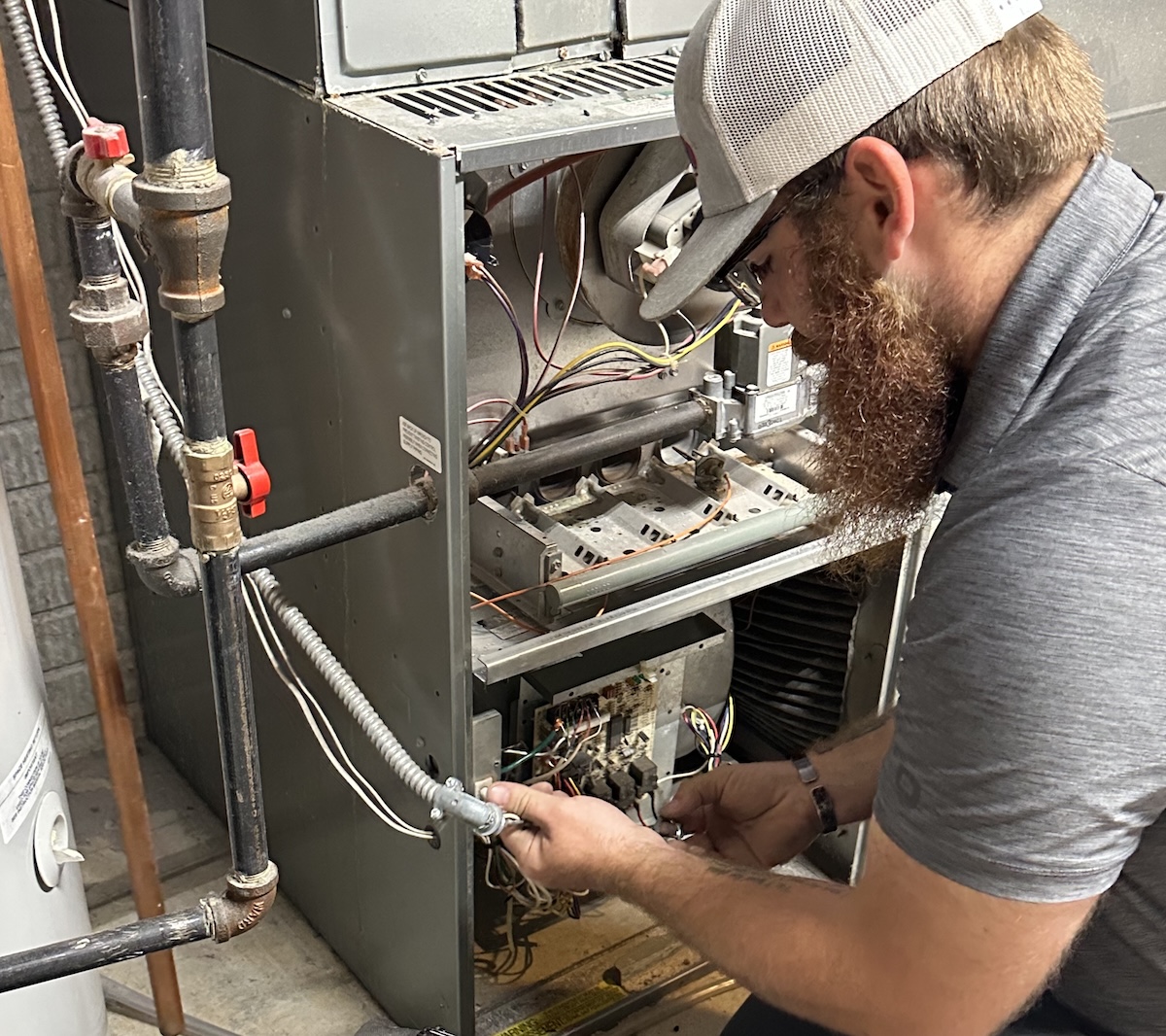
The existing furnace, boiler, or heat pump is disconnected and safely removed. During this step, technicians also evaluate the condition of your ductwork, fuel connections, and electrical wiring. If any issues are found, repairs or adjustments are made before the new system is installed. Proper removal not only ensures safety but also prevents debris or old parts from interfering with your new equipment.
3. Installing the New Heating System
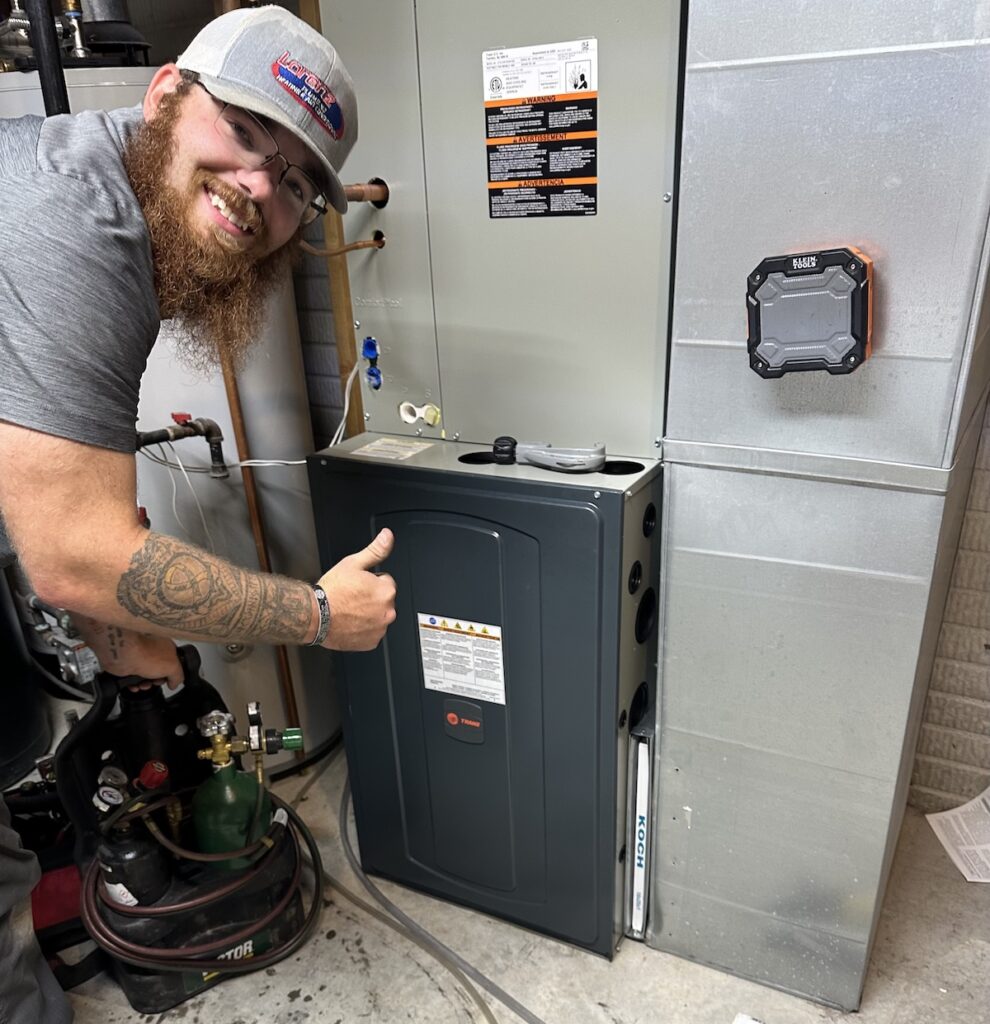
The new unit is carefully placed, connected to existing ductwork or piping, and wired for power. Precision is crucial here—tight seals, secure wiring, and exact alignment all impact efficiency. Technicians follow manufacturer guidelines and local building codes to ensure everything is installed correctly. For homes with new ductwork or venting requirements, adjustments are made at this stage to maximize airflow and efficiency.
4. Testing and Calibration
Once installation is complete, the system is thoroughly tested. Technicians run the heating system to confirm it starts up properly, produces consistent airflow, and maintains the desired temperature. They check thermostat accuracy, inspect safety controls, and measure energy output. Calibration ensures that your system operates at peak performance, keeping your home comfortable while minimizing energy costs.
Professional Installation vs DIY
While handy homeowners may be tempted to attempt heating system installation, the risks far outweigh the rewards. Modern systems require expertise in plumbing, electrical wiring, and ventilation. Mistakes can lead to gas leaks, electrical hazards, or costly damage. Professional installers have the training, tools, and certifications needed to handle these systems safely and effectively.
Benefits of Professional Service
- Code compliance: Licensed technicians ensure your system meets all safety and building codes.
- Warranty protection: Many manufacturers require professional installation to keep warranties valid.
- Energy efficiency: Correct setup guarantees your system runs at peak performance.
- Peace of mind: You’ll know your home is heated safely and reliably.
Maintaining Your New Heating System
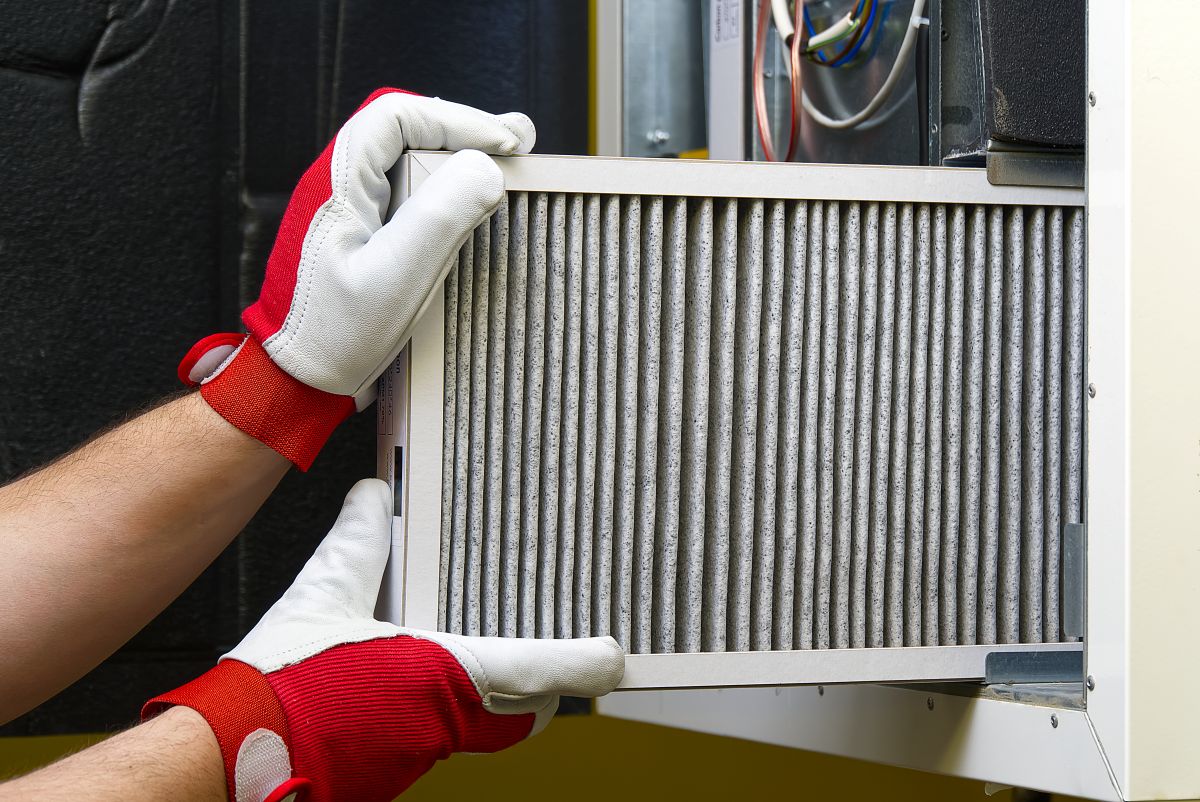
Once your system is installed, regular maintenance is key to keeping it running smoothly. Simple steps like changing filters, keeping vents open, and scheduling annual tune-ups protect your investment. Preventive care not only extends the lifespan of your system but also helps you avoid sudden breakdowns during peak heating season.
Annual inspections from Lorenz Plumbing Heating & Air allow professionals to catch small problems before they grow into major repairs. From cleaning burners to checking electrical connections, regular maintenance ensures your new heating system continues operating safely and efficiently year after year.
Trust Lorenz for Heating System Installation
Heating system installation is more than just connecting equipment, it’s about ensuring long-term comfort, efficiency, and safety for your family. By following four crucial steps, from choosing the right unit to professional testing, you’ll have peace of mind knowing your system is built to last.
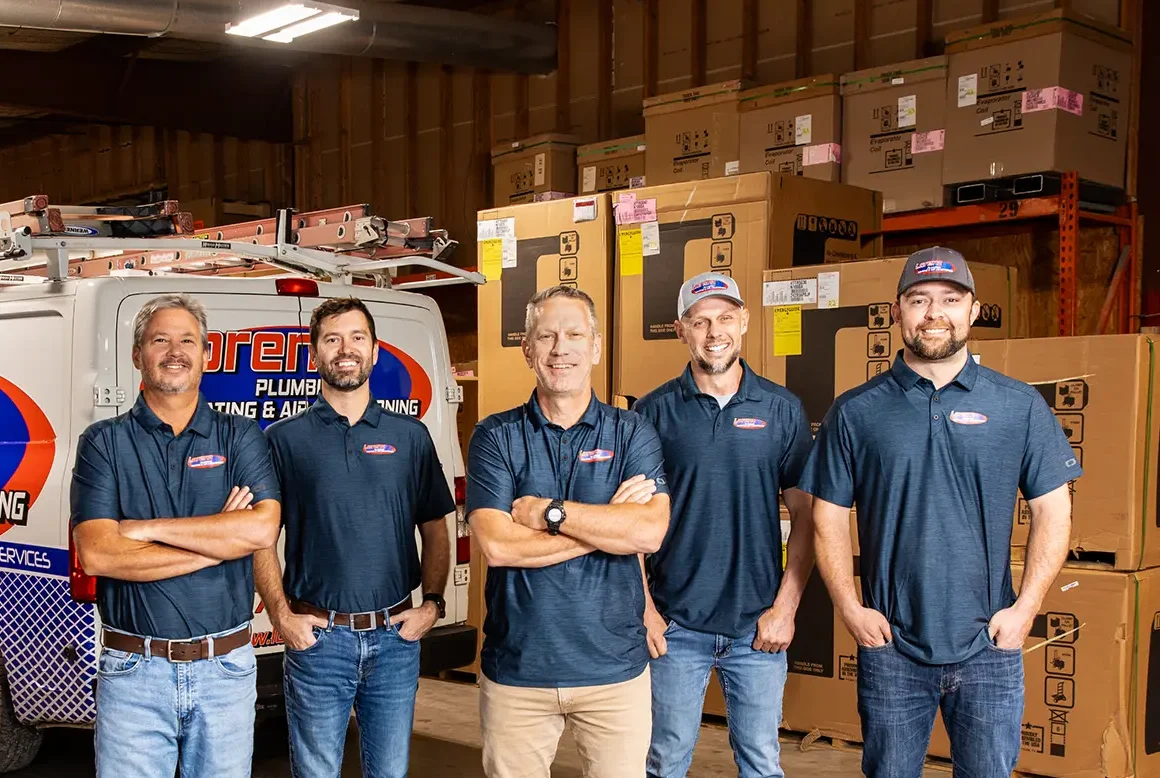
At Lorenz Plumbing Heating & Air, our skilled technicians provide expert heating system installation tailored to your home’s unique needs. Contact Lorenz today to schedule your installation and enjoy reliable comfort backed by trusted local professionals.

Lorenz: Your Friends in Heating Plumbing & Air
Reach Out Today!
We’re here 24/7—send us a message and we’ll be in touch shortly.


