


4 Best Furnace Filters & How To Choose
When it comes to keeping your home’s air clean and your furnace running efficiently, understanding the best furnace filters makes all the difference. The right filter not only improves indoor air quality but also protects your heating system from dust, debris, and other contaminants that can cause wear and tear over time. With so many options available, knowing what each filter type offers can help you make the best choice for your home and budget.
- Cleaner air: The right filter traps dust, allergens, and pollutants before they circulate through your home.
- Better efficiency: Quality filters help your furnace run smoothly and prevent unnecessary strain.
- Cost savings: Using the right filter reduces maintenance needs and extends the lifespan of your heating system.
Why Furnace Filters Matter
Your furnace filter does more than catch dust—it plays a crucial role in your HVAC system’s overall performance. When air passes through your heating system, the filter traps particles that would otherwise collect on coils, motors, and ducts. A clean filter keeps air flowing properly, while a dirty or clogged filter forces your furnace to work harder, consuming more energy and increasing the risk of breakdowns.
To avoid these issues, it is important to understand what happens if you don’t change your air filter, as prolonged neglect can lead to permanent system damage and significantly higher utility costs.

How Often Should You Change Furnace Filters?
Most homeowners should replace or clean their filters every one to three months, depending on the filter type and home conditions. If you have pets, allergies, or live in a dusty area, more frequent replacement may be necessary. Seasonal checks before heavy heating use in fall and winter also help maintain consistent airflow and efficiency.
Understanding MERV Ratings
Filters are rated by MERV (Minimum Efficiency Reporting Value), which measures how effectively they capture particles. Ratings range from 1 to 20—the higher the number, the smaller the particles it traps. However, higher-rated filters also restrict airflow more, so it’s important to match your furnace’s capability with the right MERV rating. For most homes, a filter between MERV 8 and 13 provides an ideal balance between air quality and performance.
4 Best Furnace Filters for Your Home
Here are the top types of furnace filters to consider, along with their benefits and best uses.
1. Fiberglass Filters
Fiberglass filters are the most basic and affordable option. They’re made of layered fiberglass fibers designed to trap large particles like dust and lint.
- Pros: Inexpensive, disposable, and widely available.
- Cons: Do not capture small allergens or pollutants.
- Best for: Homes without pets or allergy concerns that need basic dust protection.
Fiberglass filters typically have low MERV ratings (1–4) and are ideal for protecting your furnace rather than improving air quality. They’re a practical option if you’re on a budget or change filters frequently.
2. Pleated Filters
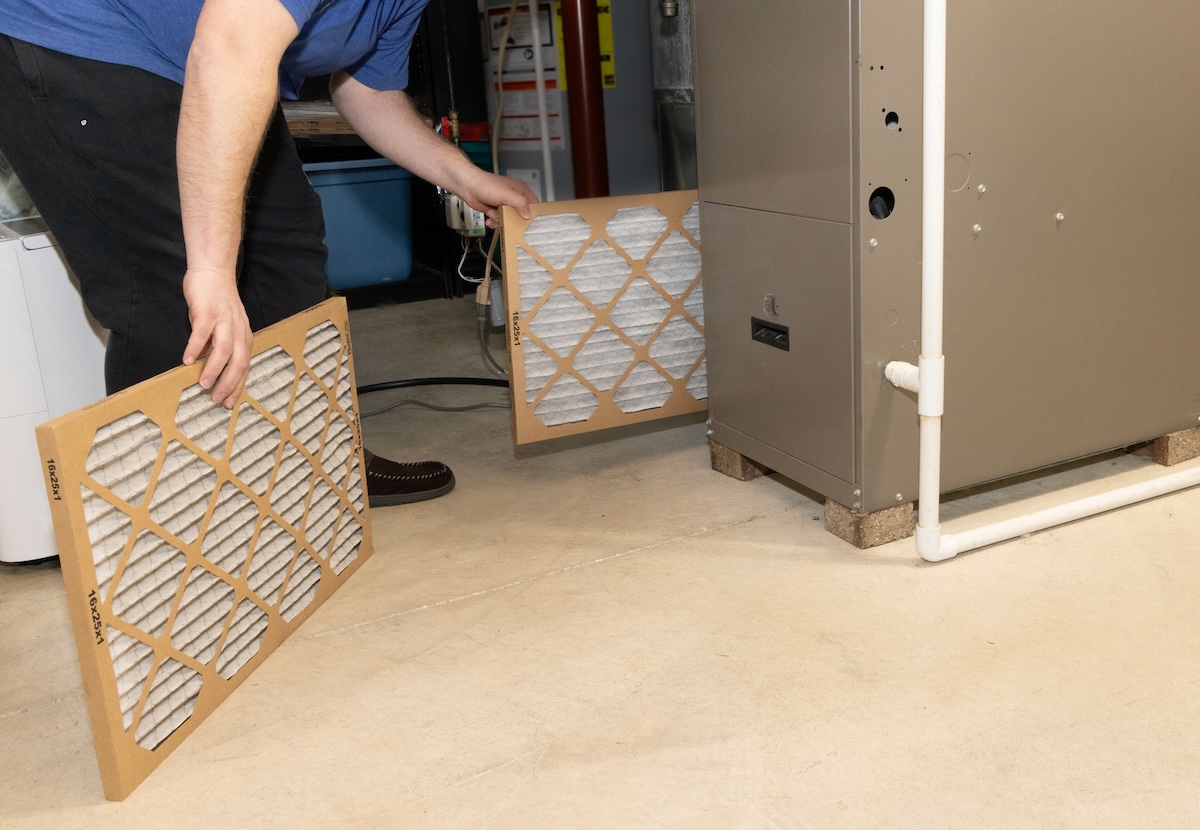
Pleated filters are made from polyester or cotton folds that provide more surface area to trap smaller particles such as pollen, mold spores, and pet dander.
- Pros: Better filtration than fiberglass; moderate cost.
- Cons: May reduce airflow slightly if not changed regularly.
- Best for: Families who want cleaner indoor air without the cost of advanced filters.
Pleated filters usually have a MERV rating between 8 and 13, offering a solid balance between filtration and airflow. They’re one of the best furnace filters for homeowners who want dependable protection year-round.
3. Electrostatic Filters
Electrostatic filters use an electric charge to attract and capture particles. They can be disposable or washable, making them a versatile and eco-friendly option.
- Pros: Excellent at capturing smaller particles; some are reusable.
- Cons: More expensive upfront; washable versions require regular maintenance.
- Best for: Homes with pets, smokers, or allergy sufferers.
These filters can achieve MERV ratings from 10 to 15 and are ideal for improving indoor air quality while maintaining efficient airflow. Washable versions, when maintained correctly, can last for several years.
4. HEPA Filters
High-Efficiency Particulate Air (HEPA) filters are the gold standard for air purification, capable of capturing 99.97% of particles as small as 0.3 microns.
- Pros: Provides the cleanest indoor air possible; ideal for allergy or asthma sufferers.
- Cons: Not compatible with all furnace systems; can restrict airflow without modifications.
- Best for: Homes with severe allergies, asthma, or high air-quality concerns.
HEPA filters often require special equipment or system modifications to fit residential furnaces properly. If your system supports it, they offer unmatched filtration performance.
How To Choose the Right Furnace Filter
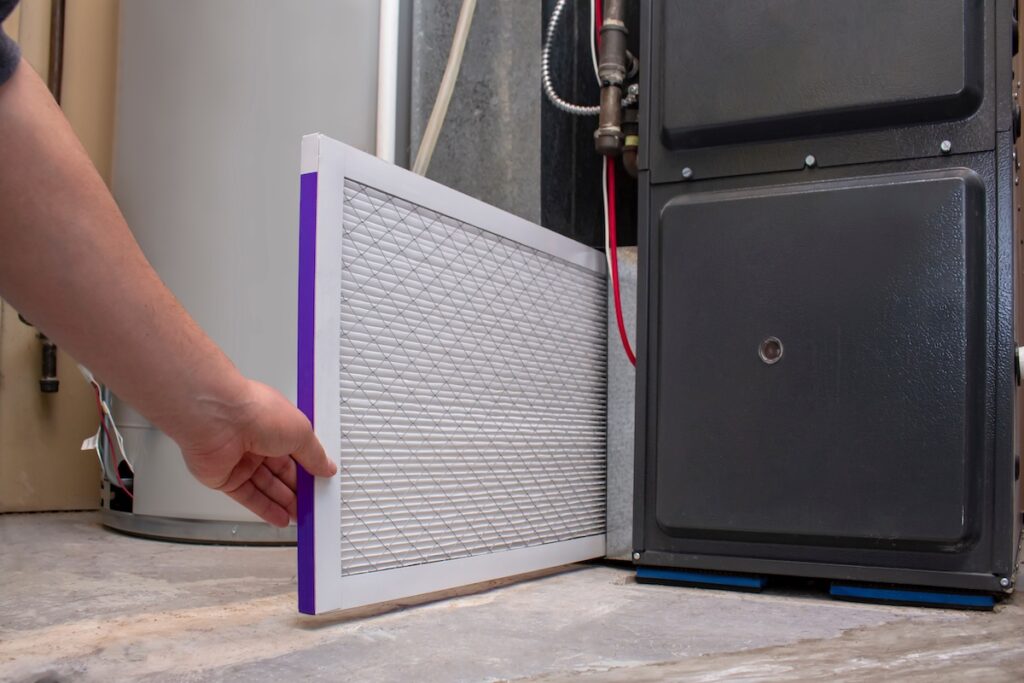
Choosing the best furnace filter depends on your home’s needs, your HVAC system, and your budget. Here’s how to make the right decision:
- Check your system’s specifications: Your furnace manual or technician can tell you the maximum MERV rating your system can handle without restricting airflow.
- Consider your household needs: Families with pets, allergies, or respiratory issues should choose higher-rated filters for better air quality.
- Balance cost and performance: A high-end filter is only worthwhile if it suits your home’s air quality needs. Sometimes, replacing a mid-range filter more frequently is just as effective.
- Factor in maintenance: Washable filters save money long-term but require regular cleaning, while disposable ones are more convenient.
Maintenance Tips for Furnace Filters
Once you’ve chosen the right filter, keeping it clean and maintained is key.
- Inspect monthly during heavy use: Check for visible dirt or discoloration.
- Replace or clean as needed: Follow manufacturer guidelines, typically every 1–3 months.
- Schedule professional maintenance: Annual tune-ups from Lorenz Plumbing Heating & Air ensure your entire system runs efficiently, not just your filter.
Neglecting this simple task is one of the leading causes of furnace inefficiency. Clean filters improve airflow, reduce strain, and help maintain steady temperatures throughout your home.
Trust Lorenz for Expert Furnace Care
Knowing the best furnace filters helps you protect your home, your health, and your HVAC investment. Whether you choose a budget-friendly fiberglass filter or a high-performance HEPA model, professional care and on-time furnace replacement are essential.
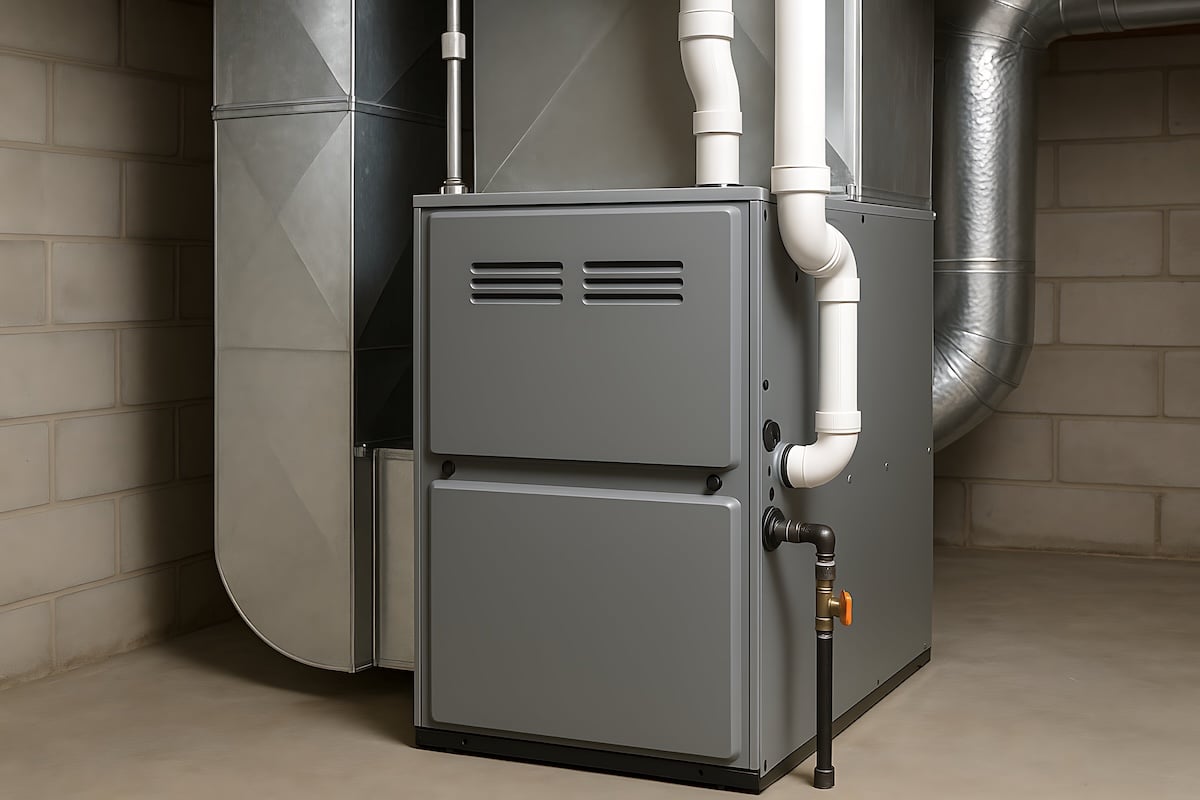
This is particularly important for high-efficiency gas furnaces, where proper airflow is critical to ensuring the combustion process remains safe and cost-effective. By keeping your filtration system in peak condition, you ensure your heating unit runs reliably through the coldest winters.
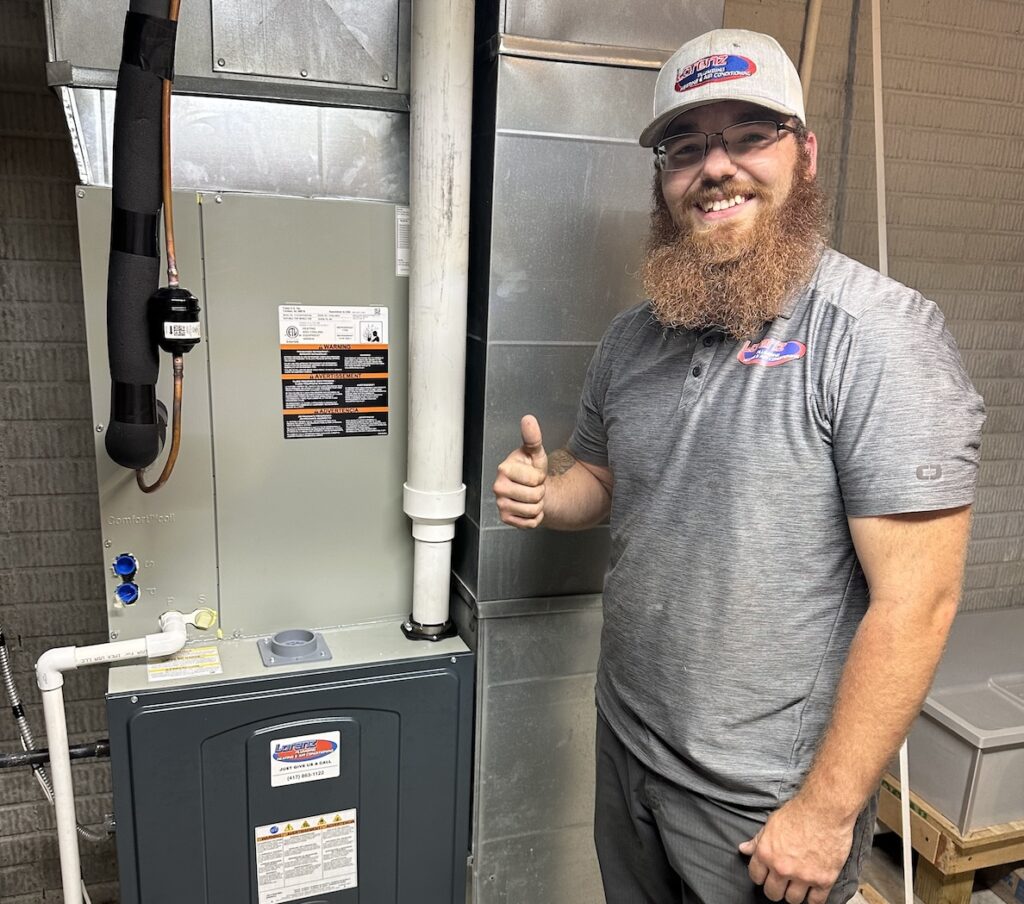
At Lorenz Plumbing Heating & Air, we help homeowners choose and maintain the right filters for their heating systems. Our team ensures your furnace runs efficiently and your indoor air stays clean all year long. Contact Lorenz today for expert guidance and dependable furnace maintenance service.

Lorenz: Your Friends in Heating Plumbing & Air
Reach Out Today!
We’re here 24/7—send us a message and we’ll be in touch shortly.


