



Forced Air vs Central Air: Everything You Need To Know
When comparing forced air vs central air, many homeowners assume they’re the same thing—but there’s a key distinction. Both systems circulate air throughout your home, but they handle heating and cooling in different ways. Understanding how each system works can help you make the right decision for comfort, efficiency, and long-term value.
- System differences: Forced air describes how air moves, while central air focuses on cooling.
- Comfort control: Knowing the difference helps you manage both heating and cooling effectively.
- Energy efficiency: Choosing the right setup reduces operating costs year-round.
These comparisons are based on our experience gathered over the years while working in homes throughout the region. Every house has unique needs, and understanding the nuances between system types is key to long-term efficiency. As trusted professional HVAC technicians, we are here to help you evaluate your current setup and determine which system will provide the best performance for your specific space.
What Is a Forced Air System?
A forced air system refers to any heating or cooling setup that distributes air through ducts using a blower fan. It’s called “forced” air because the air is literally pushed through your ductwork by the system’s fan or blower motor.
Forced air systems can include furnaces, heat pumps, or air conditioners—basically, any unit that uses ductwork to move conditioned air throughout your home. This setup is the most common in modern homes because it allows one system to handle both heating and cooling when paired with a compatible AC unit or heat pump.
Key Features of Forced Air Systems
- Air movement: Uses ducts and vents to distribute warm or cool air.
- Energy source: Typically powered by natural gas, propane, or electricity.
- Integration: Can easily connect with central air systems for year-round comfort.
- Air quality: Supports add-ons like humidifiers, purifiers, or dehumidifiers.

What Is a Central Air System?
Central air systems specifically refer to cooling systems that use ducts to distribute chilled air throughout your home. They’re designed to keep indoor temperatures consistent during warm months by using a condenser, compressor, and evaporator coil to remove heat from the air.
In many homes, the central air unit is paired with a forced air furnace that handles heating in the winter. Together, they form a complete HVAC system that uses the same ductwork and thermostat controls.
Key Features of Central Air Systems
- Cooling only: Designed to remove heat and humidity from indoor air.
- Paired operation: Often connected to a forced air furnace for heating.
- Outdoor condenser: Uses a compressor and refrigerant to cool the air.
- Even cooling: Maintains consistent temperatures throughout all rooms.
Forced Air vs Central Air: Comparison Table
Below is a clear side-by-side breakdown to help you understand the main differences and similarities between these two HVAC terms.
| Category | Forced Air System | Central Air System |
| Definition | Refers to how air is heated or cooled and distributed through ducts. | Refers specifically to air conditioning that cools air via a condenser and evaporator coil. |
| Function | Can handle both heating and cooling, depending on components. | Provides cooling only, typically paired with a furnace for heat. |
| Main Components | Furnace or heat pump, blower fan, and ductwork. | Condenser, compressor, evaporator coil, and blower fan. |
| Energy Source | Gas, propane, or electricity. | Electricity and refrigerant-based cooling. |
| Seasonal Use | Year-round, heating in winter and cooling in summer. | Primarily used during warmer months. |
| Air Quality Features | Can integrate with filters, humidifiers, or purifiers. | Usually relies on the same duct and filter system as the furnace. |
| Efficiency | Varies based on furnace or heat pump model. | High-efficiency models (SEER 14–20+) reduce cooling costs. |
| Best For | Homeowners wanting one system for both heating and cooling. | Homes in warm climates that need powerful cooling performance. |
Advantages of Forced Air Systems
Forced air systems offer flexibility and efficiency for homeowners who want consistent comfort across all seasons.
- Dual functionality: A single system can handle both heating and cooling.
- Fast temperature control: Quickly adjusts to thermostat settings for immediate comfort.
- Energy efficiency: Modern models feature variable-speed motors that lower energy use.
- Better air circulation: Continuous airflow improves indoor air quality and reduces humidity.
Advantages of Central Air Systems
Central air systems are ideal for homes where cooling is the top priority. They provide even, reliable cooling during hot weather and can be paired easily with an existing furnace.
- Quiet operation: The main condenser sits outside, keeping indoor noise low.
- Consistent cooling: Maintains even temperatures throughout all rooms.
- Improved indoor air quality: Works with filters to reduce dust, pollen, and humidity.
- Smart thermostat compatibility: Offers convenient, energy-efficient control from anywhere.
Which System Is Better for Your Home?
The best choice depends on your home’s layout, climate, and comfort preferences. If you already have ductwork and want both heating and cooling in one setup, a forced air system may be the smarter investment. However, if you live in a warmer region or already have a separate heating source, central air can efficiently handle your cooling needs.
Consider These Factors Before Choosing
- Existing infrastructure: Homes with ducts can easily accommodate either system.
- Climate needs: Cold climates benefit from forced air systems that combine heating and cooling.
- Budget and energy goals: Consider long-term efficiency and maintenance costs.
- Comfort preferences: Central air provides smoother, quieter cooling during summer months.
5 Maintenance Tips for Both Systems
Whether you have forced air or central air, proper maintenance ensures reliable performance and efficiency. Both systems share similar maintenance needs since they rely on ductwork and air circulation.
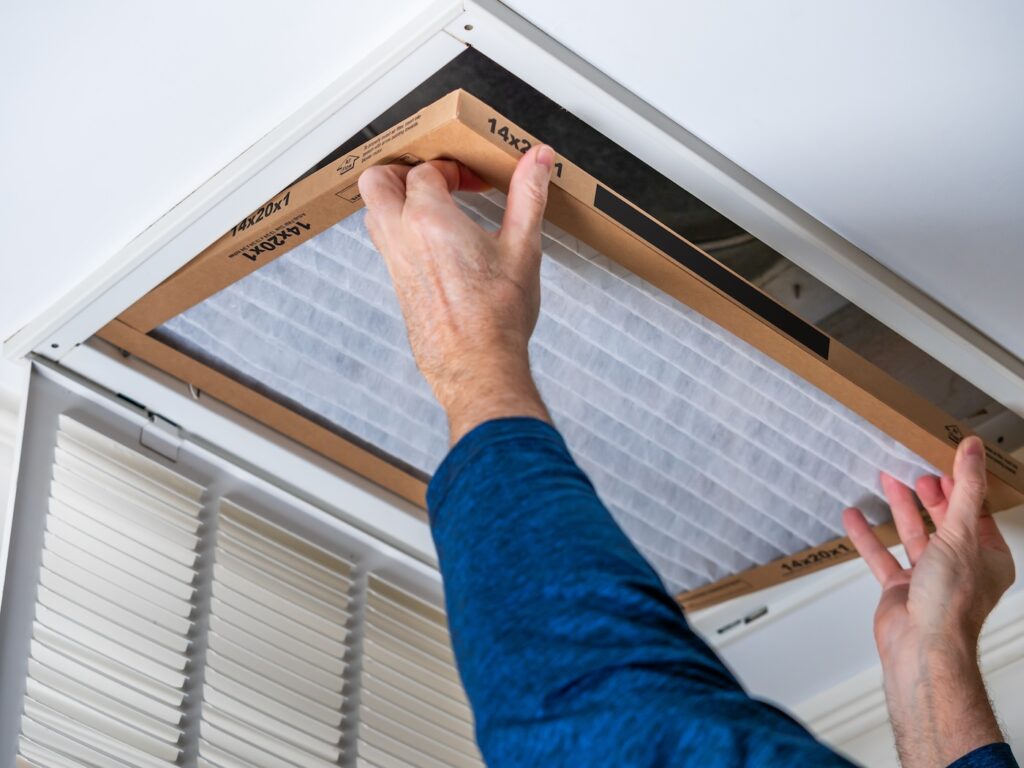
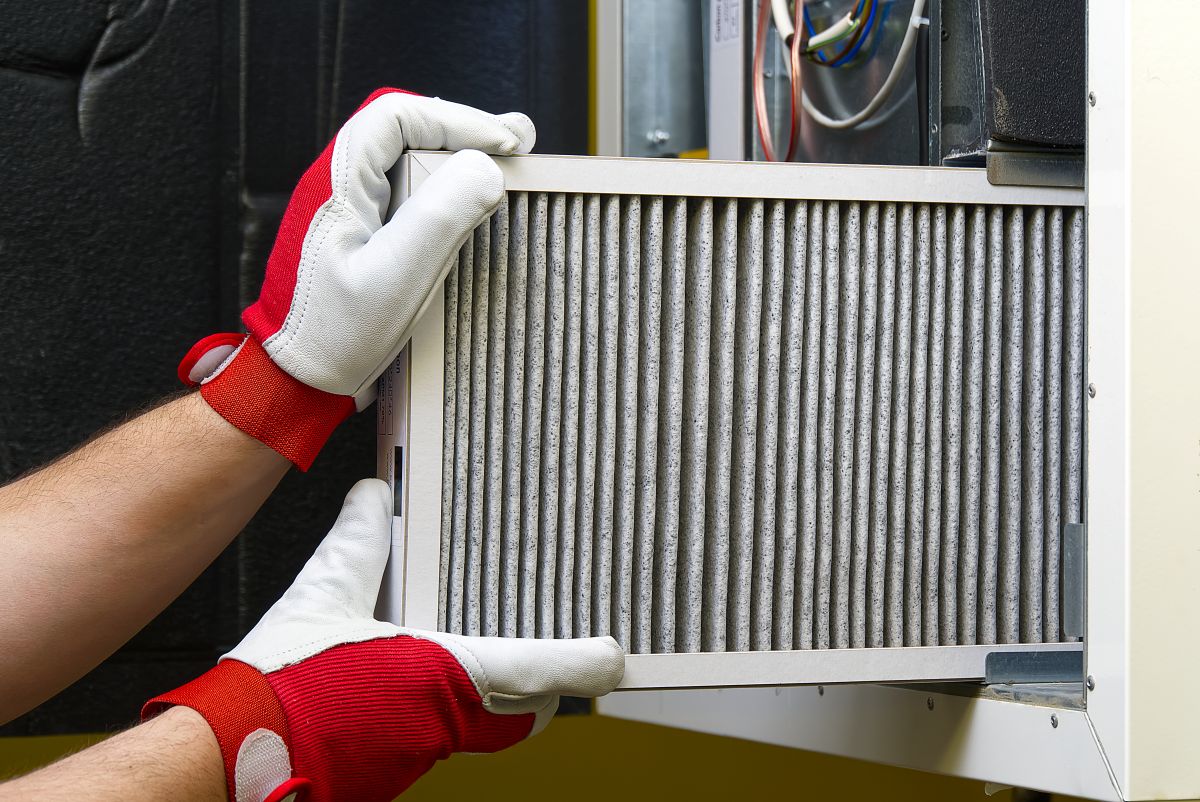
- Change filters regularly: Every 1–3 months keeps airflow strong and clean.
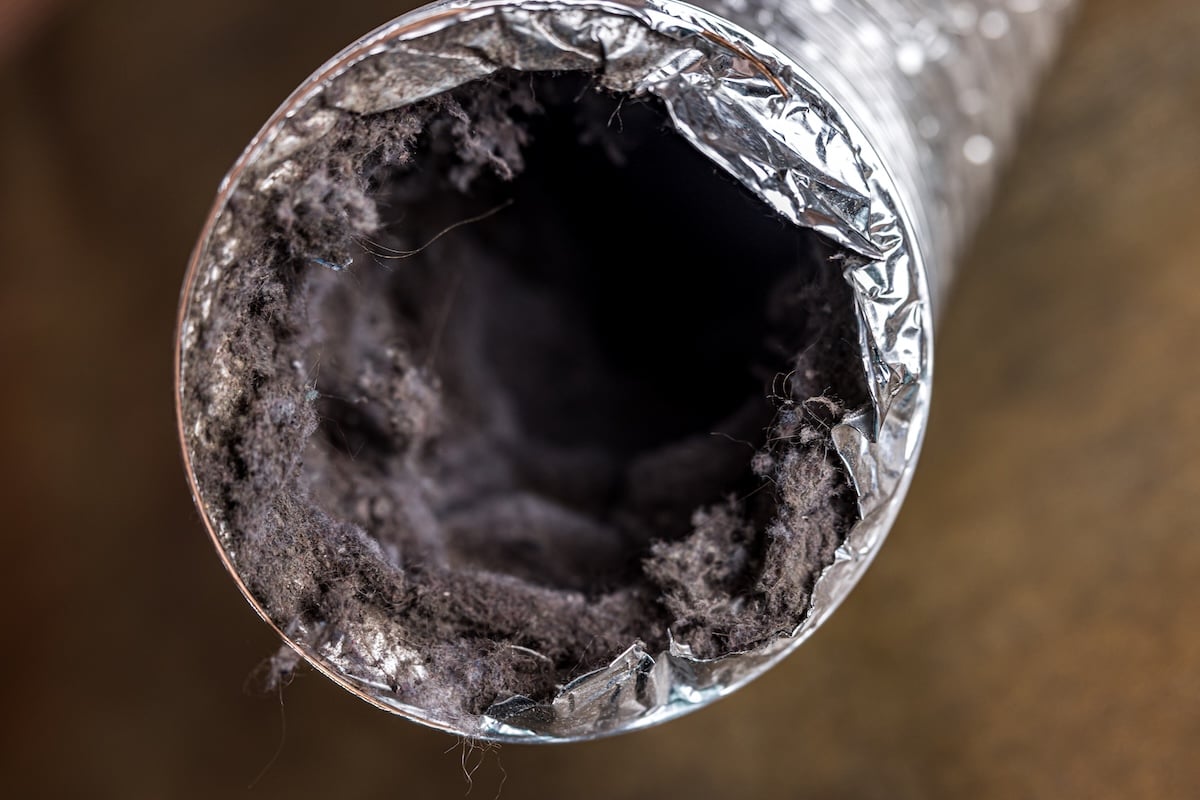
- Clean vents and ducts: Reduces dust buildup and improves air quality.
- Schedule annual tune-ups: Professional inspections help catch problems early.
- Keep outdoor units clear: Remove debris and leaves around the condenser.
- Inspect thermostat settings: Proper calibration ensures comfort and efficiency.
Energy Efficiency and Lifespan
With regular maintenance, both systems can last a long time. Forced air furnaces typically last 15–20 years, while central air conditioners last around 12–15 years on average. Heat pumps—often part of forced air systems—can last 10–15 years depending on use.
Modern HVAC systems feature smart thermostats, variable-speed motors, and energy-efficient components that reduce utility costs. Investing in regular maintenance through Lorenz Plumbing Heating & Air keeps your system performing at its best for the long haul.

Trust Lorenz for Expert HVAC Guidance
When it comes to choosing between forced air vs central air, understanding how each system works is key to making the right decision. Forced air offers all-in-one comfort for heating and cooling, while central air provides powerful, consistent cooling during the hottest months.
At Lorenz Plumbing Heating & Air, we help homeowners select, install, and maintain the perfect system for their needs. Whether you’re upgrading your heating and cooling or just want professional advice, our team delivers honest, expert service every time. Contact Lorenz today to discuss your options and enjoy year-round comfort you can rely on.

Lorenz: Your Friends in Heating Plumbing & Air
Reach Out Today!
We’re here 24/7—send us a message and we’ll be in touch shortly.


