



What Is Water Hardness Scale & How To Measure?
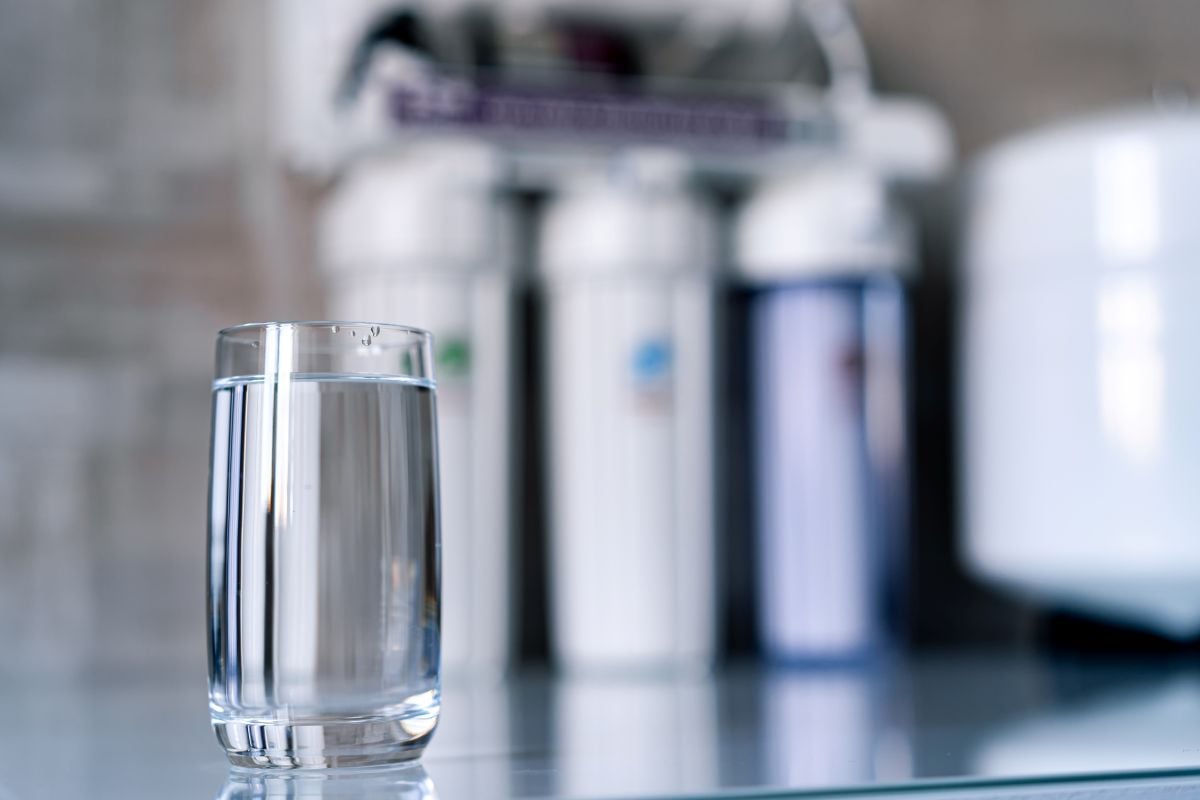
Understanding the water hardness scale is essential for homeowners who want to protect their plumbing, appliances, and overall water quality. Hard water contains higher levels of dissolved minerals like calcium and magnesium, which can lead to buildup, inefficiency, and costly repairs over time. Knowing where your home’s water falls on the hardness scale helps determine if you need water softening treatment or maintenance.
- Water quality insight: The hardness scale measures how much calcium and magnesium are in your water.
- Home protection: Hard water can cause scale buildup in pipes, fixtures, and appliances.
- Better comfort: Balanced water hardness makes cleaning, bathing, and washing more efficient.
What Is the Water Hardness Scale?
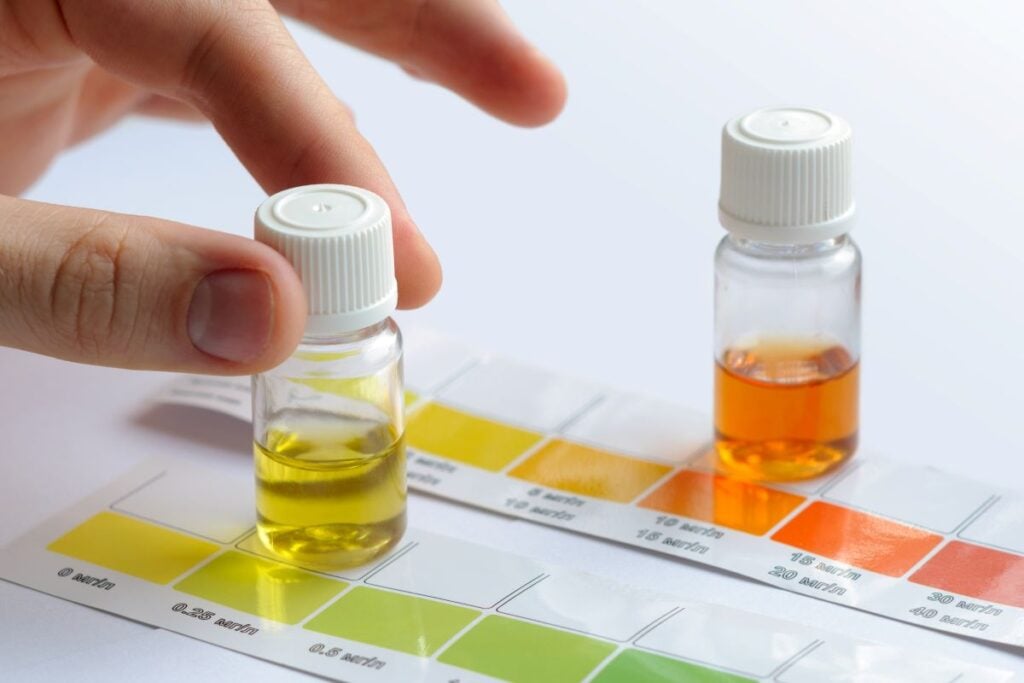
The water hardness scale is a standardized way to measure the concentration of minerals—mainly calcium carbonate—in your water supply. This measurement is expressed in either grains per gallon (gpg) or milligrams per liter (mg/L), also known as parts per million (ppm).
In general, the higher the number, the harder your water is. Hard water isn’t harmful to your health, but it can cause scale buildup, reduce soap effectiveness, and shorten the lifespan of your water heater and other appliances.
Water Hardness Scale Chart
| Category | Grains per Gallon (gpg) | Parts per Million (ppm) | Description |
| Soft Water | 0–3.5 | 0–60 | Ideal for cleaning, bathing, and plumbing systems. |
| Moderately Hard | 3.6–7.0 | 61–120 | May cause slight buildup and reduced soap efficiency. |
| Hard Water | 7.1–10.5 | 121–180 | Noticeable scaling on fixtures and appliances. |
| Very Hard Water | 10.6+ | 180+ | Significant buildup, frequent maintenance required. |
Springfield and surrounding areas often have moderately hard to very hard water, making water softeners an excellent investment for local homeowners.
Why Water Hardness Matters
While hard water is safe to drink, it creates several problems for your plumbing system and home comfort over time. The dissolved minerals don’t evaporate—they accumulate, forming limescale inside pipes and appliances.
- Plumbing damage: Mineral buildup reduces water flow and increases pressure.
- Appliance wear: Heaters, dishwashers, and washing machines lose efficiency.
- Soap inefficiency: Hard water reacts with soap, leaving behind residue.
- Dry skin and hair: The minerals strip moisture from skin and hair after showers.
Identifying your home’s hardness level allows you to take preventive action before these problems worsen.
How To Measure Water Hardness
Homeowners have several ways to determine their water’s hardness level, ranging from simple DIY methods to professional testing. Each option offers different levels of accuracy and detail.
Use a Water Hardness Test Kit
One of the easiest ways to measure water hardness is with an at-home test kit. These kits are inexpensive and provide quick results within minutes.
- How it works: Dip a test strip into a glass of tap water and compare the color change to the provided scale.
- Accuracy level: Good for general readings but may vary slightly by brand.
- Best for: Homeowners who want a fast, simple way to gauge water quality.
Try a Titration Test Kit
A titration test provides a more precise measurement of hardness by using a reagent solution.
- How it works: Add drops of reagent to a water sample until the color changes, then count the number of drops used to calculate hardness.
- Accuracy level: More reliable than strips and ideal for tracking softener performance.
- Best for: Homeowners who want to maintain or adjust an existing water softener.
Request a Professional Water Test
For the most accurate results, schedule a professional water test through Lorenz Plumbing Heating & Air. Our experts use advanced equipment to measure hardness, iron levels, pH balance, and other important factors.
- Comprehensive insight: Tests include multiple minerals and contaminants.
- Professional analysis: Results are interpreted by experienced technicians.
- Best for: Homeowners making long-term water treatment decisions.
Professional testing ensures precise readings and helps tailor solutions specific to Springfield’s water conditions.
5 Signs You Might Have Hard Water
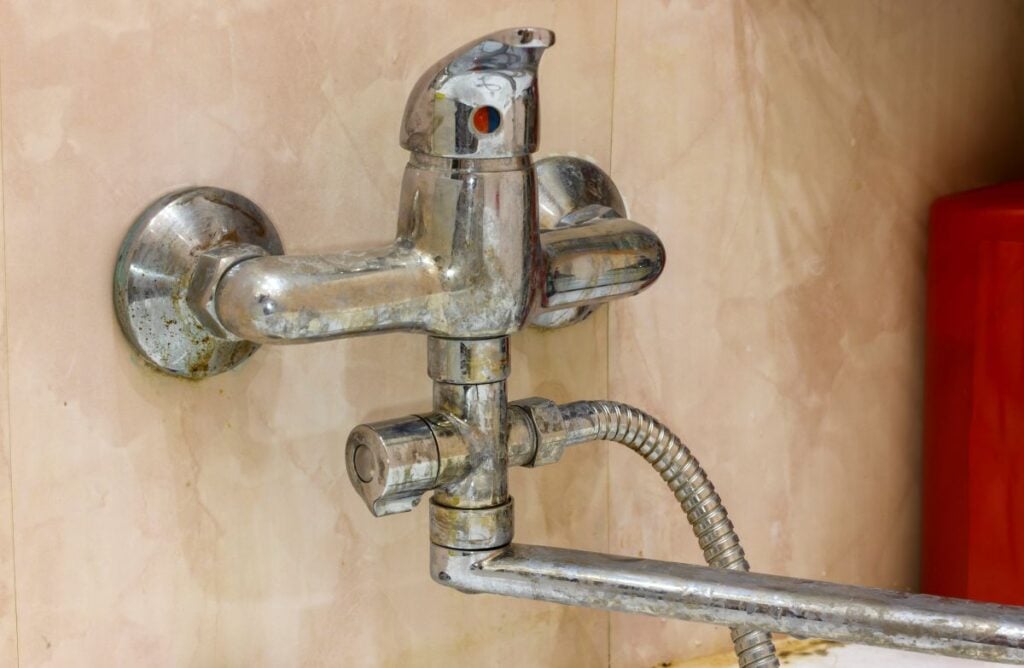
Even without testing, your home may show several signs of hard water. These indicators are easy to spot and often appear gradually over time.
- White residue: Limescale buildup on faucets, sinks, or showerheads.
- Spotty dishes: Glassware and dishes appear cloudy after washing.
- Dry skin or dull hair: Hard water reduces the effectiveness of soaps and shampoos.
- Slow water flow: Buildup inside pipes restricts pressure.
- Appliance inefficiency: Water heaters and dishwashers take longer to operate.
If you notice one or more of these issues, testing your water hardness is the best next step.
How to Fix Hard Water Problems
Once you know where your water falls on the hardness scale, you can decide whether a water softener is necessary. These systems remove minerals that cause hardness and replace them with sodium or potassium ions for smoother, cleaner water.
Water Softener Benefits
- Longer appliance lifespan: Prevents mineral buildup in water heaters and dishwashers.
- Better water pressure: Reduces scaling in pipes for consistent flow.
- Cleaner laundry and dishes: Detergents work more effectively in softened water.
- Healthier skin and hair: Eliminates residue that causes dryness and irritation.
- Lower energy bills: Systems run more efficiently without mineral buildup.
Types of Water Softeners
- Salt-based ion exchange: The most common type, removes calcium and magnesium effectively.
- Salt-free conditioners: Use a physical process to prevent scale formation instead of removing minerals.
- Dual-tank systems: Ideal for large households with continuous water use.
A professional plumber can help you choose the best system based on your home’s hardness level and water usage.
How Often To Test Water Hardness
Regular water testing ensures your softener continues to perform effectively and alerts you to any changes in water quality.
- New homeowners: Test water when you first move in to understand your baseline.
- With softener system: Test every 6–12 months to confirm proper operation.
- Without softener: Test annually or after plumbing upgrades.
- Well water users: Test more frequently—every 3–6 months—as mineral levels can fluctuate.
Routine testing helps detect early signs of mineral buildup or system inefficiency.
Professional Water Treatment Services from Lorenz
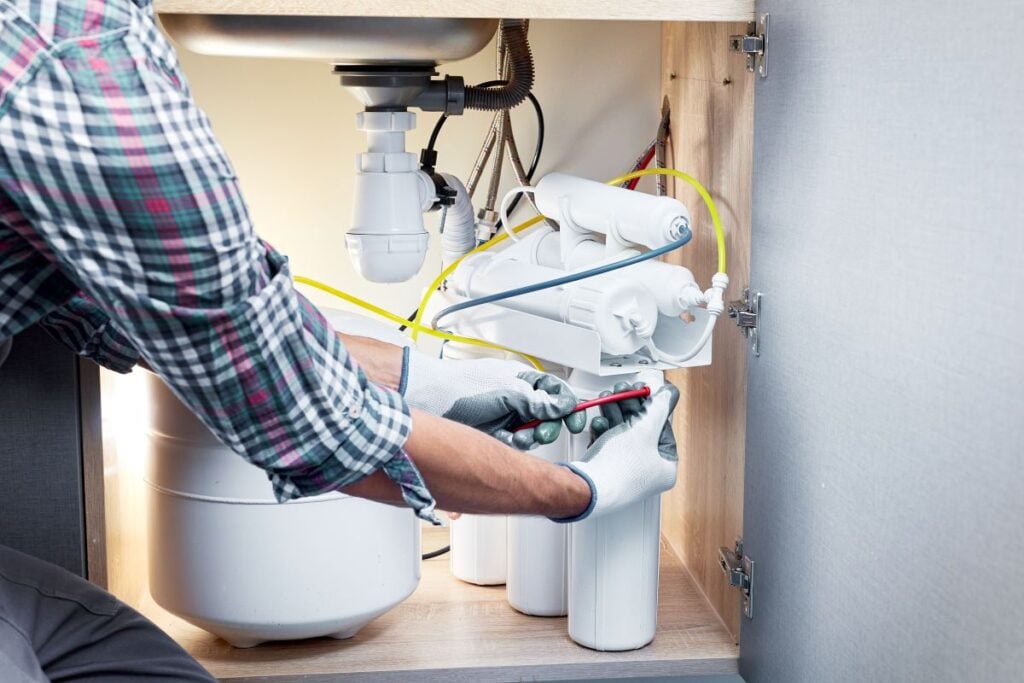
If your test shows that your water is hard or very hard, it’s time to call the experts at Lorenz Plumbing Heating & Air. We offer professional water testing, softener installation, and maintenance services tailored to Springfield’s water quality challenges.
- Accurate testing: We identify mineral levels and provide clear, actionable results.
- Custom softener systems: Our team installs and maintains high-performance units that fit your home’s needs.
- Ongoing support: We provide regular system checks to ensure long-term reliability.
- Local expertise: Decades of experience working with Springfield’s unique water conditions.
From testing to installation, Lorenz provides homeowners with trusted solutions for clean, efficient, and long-lasting water systems.
Trust Lorenz for Expert Water Quality Solutions
Understanding the water hardness scale helps you make smarter decisions about protecting your plumbing and improving water quality. Testing your water regularly and addressing hardness issues early keeps your system running efficiently and extends the life of your appliances.
At Lorenz Plumbing Heating & Air, we’re here to help homeowners in Springfield measure, manage, and improve their water quality with precision and care. Contact Lorenz today to schedule professional water testing or discuss the best softening system for your home—and enjoy cleaner, smoother water all year long.

Lorenz: Your Friends in Heating Plumbing & Air
Reach Out Today!
We’re here 24/7—send us a message and we’ll be in touch shortly.


