


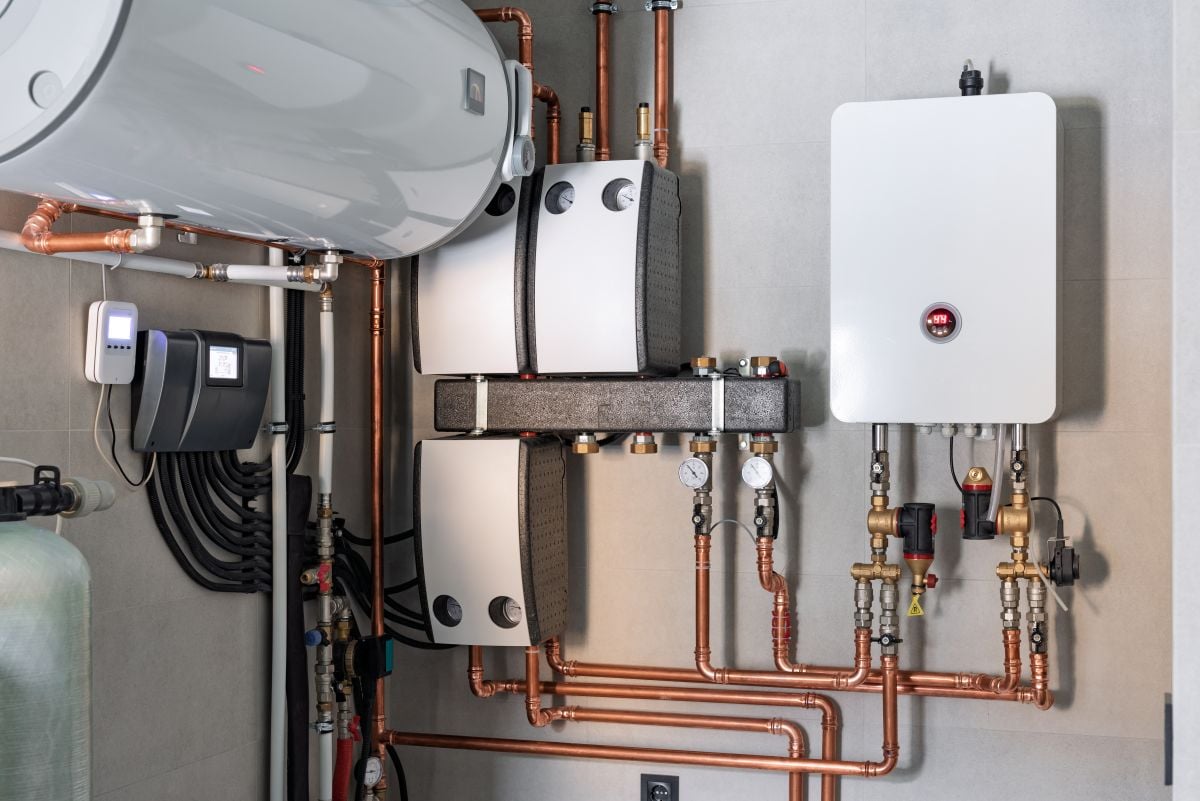
Boiler vs Furnace: What Are The Differences?
When comparing boiler vs furnace systems, homeowners often want to know which one provides the best comfort, efficiency, and value for their home. Both are reliable heating options, but they work in very different ways. Understanding these differences helps you make the best decision for your home’s needs—especially since, in most Missouri homes, a furnace is the more practical and cost-effective choice.
- Better efficiency: Modern furnaces deliver reliable heat and lower operating costs.
- Faster comfort: Forced-air systems warm your home quickly and evenly.
- Simpler upkeep: Furnace maintenance is easier and more affordable than boiler repairs.
Understanding How Boilers and Furnaces Work
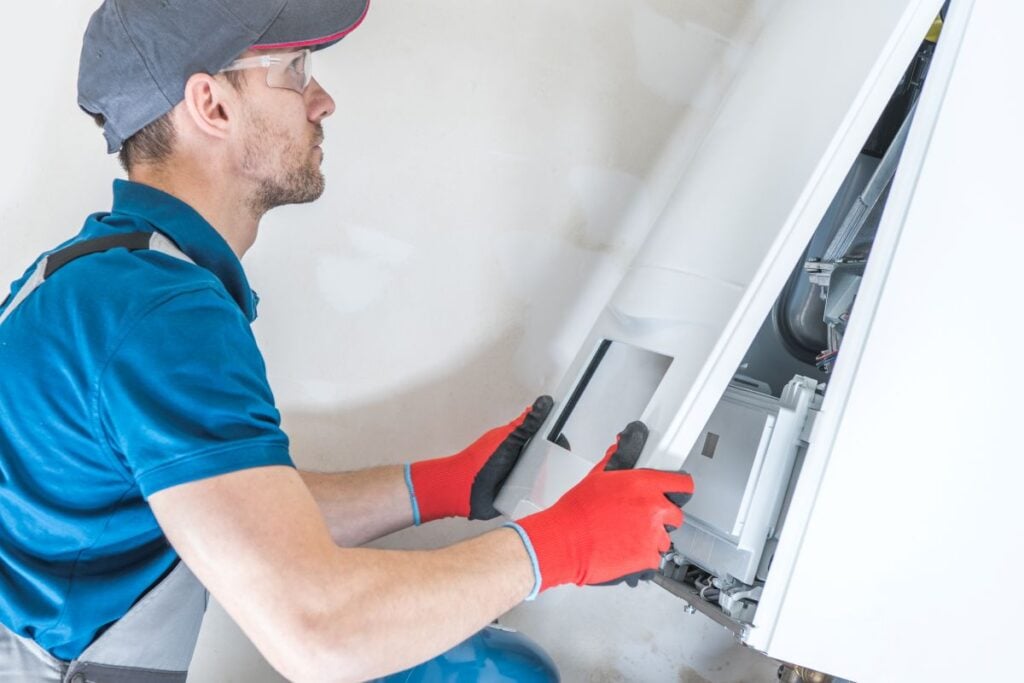
Both systems provide heat, but they do it using different methods. A furnace uses warm air to heat your home, while a boiler uses hot water or steam.
How a Furnace Works
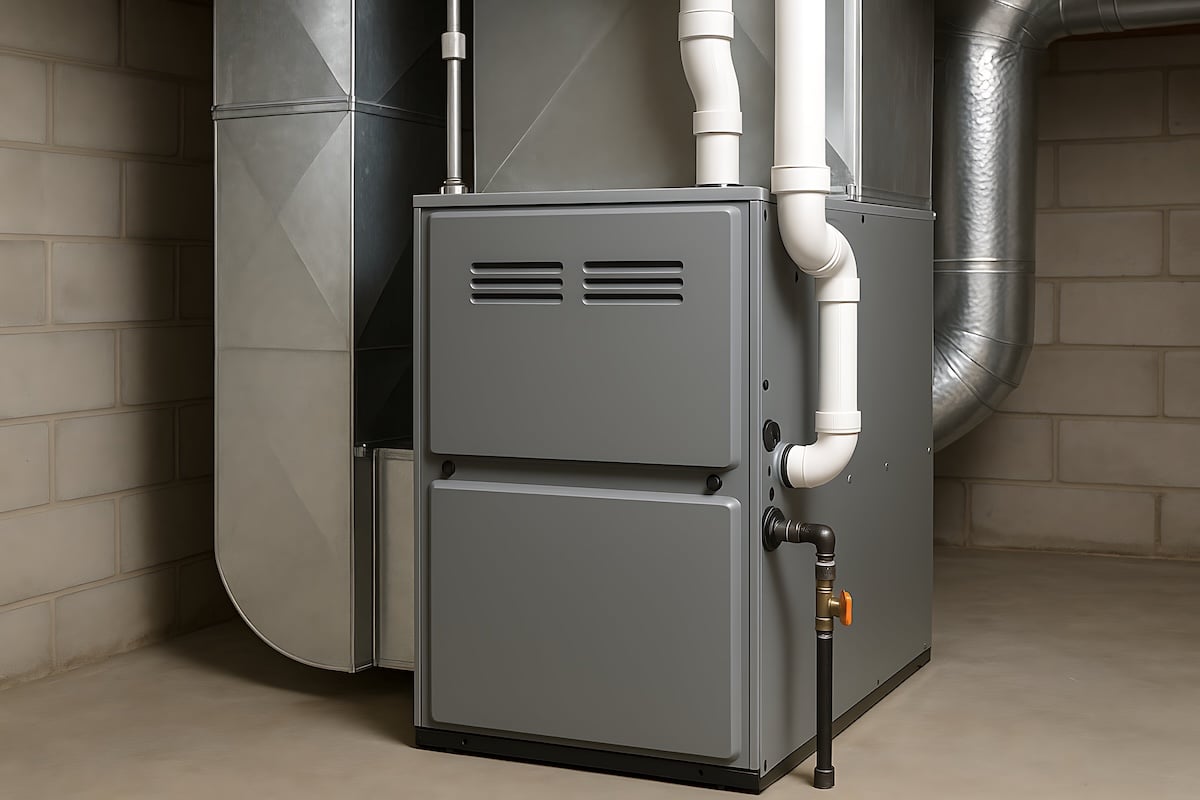
A furnace heats air inside a chamber and uses a blower fan to distribute that warm air through ducts and vents. This process is known as forced-air heating. Furnaces can be powered by natural gas, propane, electricity, or oil, and they often double as part of your home’s cooling system when paired with an air conditioner.
How a Boiler Works
A boiler heats water and circulates it through pipes to radiators, baseboards, or underfloor systems. Instead of blowing warm air, it transfers heat through the water or steam. Boilers are typically found in older homes or buildings with hydronic (water-based) heating systems.
Both can provide reliable warmth, but the differences in cost, speed, and installation make furnaces the top choice for most modern households.
Boiler vs Furnace: Comparison Table
Here’s a quick look at how these two systems compare in key categories:
| Feature | Furnace | Boiler |
| Heating Method | Heats air and distributes through ducts. | Heats water or steam circulated through pipes. |
| Response Time | Heats rooms quickly and evenly. | Slower to warm up but maintains steady heat. |
| Energy Source | Gas, propane, oil, or electricity. | Gas, oil, or electricity. |
| Maintenance | Easy filter changes and inspections. | Requires water pressure checks and radiator bleeding. |
| Cooling Compatibility | Works with central air systems. | Cooling must be installed separately. |
| Installation Cost | More affordable for most homes. | Typically more expensive and labor-intensive. |
| Common Use | Standard in most U.S. homes. | Found in older or high-end radiant systems. |
While both have advantages, furnaces tend to provide faster, more flexible heating—making them ideal for homes in Springfield and the surrounding areas.
4 Advantages of Choosing a Furnace
Most Missouri homeowners rely on a furnace for home heating because it offers superior performance, lower costs, and easier maintenance compared to a boiler.
1. Faster, More Responsive Heating
Furnaces heat air directly, which means you’ll feel the temperature rise within minutes of turning the system on. Boilers, on the other hand, must heat water first, which takes longer.
- Quick comfort: Forced-air systems distribute heat rapidly through ducts.
- Zoned efficiency: Some modern furnaces allow room-by-room temperature control.
2. Lower Installation and Maintenance Costs
Because furnaces are more common, parts and labor are typically more affordable. Annual maintenance is straightforward—usually limited to filter changes and basic tune-ups.
- Easy upkeep: No need to monitor water levels or bleed radiators.
- Affordable repairs: Furnace components are readily available and less costly.
3. Works Seamlessly With Air Conditioning

Furnaces connect directly to central air systems, so you can heat and cool your home using the same ductwork. Boilers, by contrast, require an entirely separate cooling setup, which adds expense.
- One integrated system: Heating and cooling work together efficiently.
- Ideal for Missouri climates: Handles hot summers and cool winters in one setup.
4. Flexible Fuel Options
Furnaces can run on natural gas, propane, oil, or electricity, allowing homeowners to choose the most convenient and affordable energy source. This makes them adaptable for both city and rural homes.
- Fuel flexibility: Choose based on availability and local energy rates.
- Modern efficiency: New gas furnaces can achieve up to 98% AFUE (Annual Fuel Utilization Efficiency).
3 Benefits of Boilers
Even though furnaces are generally preferred, boilers still have unique advantages in certain situations. They provide consistent, radiant heat that some homeowners find more comfortable, particularly in older homes or cold climates.
1. Even, Steady Heat Distribution
Because boilers heat water instead of air, they deliver more consistent warmth. Rooms stay at a steady temperature without the blowing air that sometimes accompanies forced-air systems.
- Comfortable radiant heat: Ideal for homes with radiators or in-floor heating.
- Less air movement: Reduces dust circulation for those with allergies.
2. Quiet Operation
Boilers operate quietly since they don’t rely on fans or blowers. This can be appealing in homes where noise reduction is a priority.
- Silent comfort: No sound from vents or ducts.
- Minimal vibration: Heat transfer through water keeps operation smooth.
3. Long Lifespan
With proper maintenance, boilers often last 20 years or more, thanks to fewer moving parts compared to furnaces.
- Durable construction: Fewer mechanical failures.
- Consistent output: Maintains heat efficiently over time.
While these are valid benefits, the higher upfront cost and more complex maintenance requirements make boilers less common in newer Springfield homes.
Drawbacks of Boilers Compared to Furnaces
Boilers can deliver excellent comfort, but they also come with limitations that make furnaces a more practical choice for most homeowners.
- No central cooling: Requires an entirely separate system for air conditioning.
- Slower response: Takes longer to heat up rooms after turning on.
- Higher installation cost: Labor and materials are more expensive.
- More complex repairs: Leaks, pressure issues, or air in the lines can be challenging to fix.
For households looking for fast, flexible comfort year-round, a furnace offers a simpler and more cost-effective heating solution.
Maintenance Needs: Boiler vs Furnace
Both systems require regular attention to operate efficiently, but furnaces are generally easier to maintain.
Furnace Maintenance
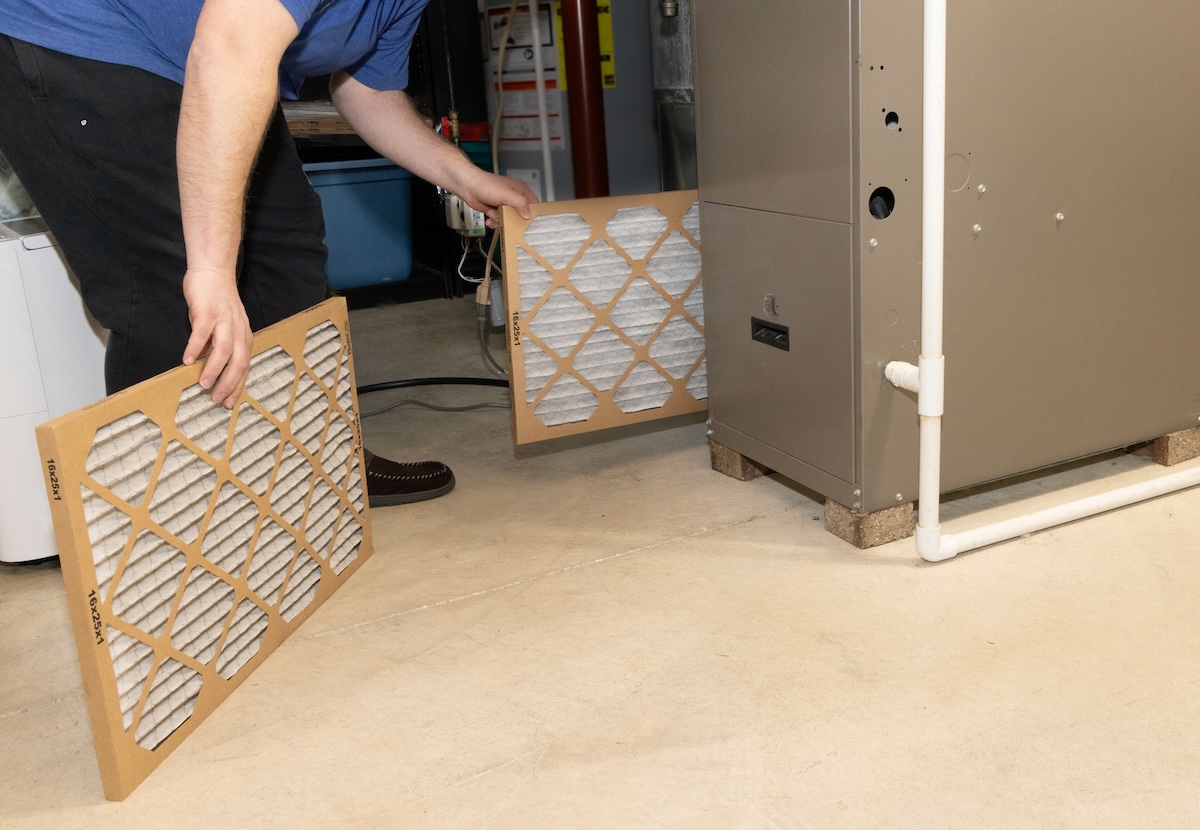
- Replace filters: Every 1–3 months for optimal airflow.
- Inspect burners and heat exchangers: Annual checks prevent inefficiency or carbon monoxide leaks.
- Lubricate moving parts: Keeps fans and motors running smoothly.
Boiler Maintenance
- Check water pressure: Low pressure affects performance.
- Bleed radiators: Removes trapped air for even heating.
- Inspect for leaks or corrosion: Prevent costly damage over time.
Furnaces typically cost less to maintain annually, which adds up to significant savings over the system’s lifespan.
Choosing the Right Heating System for Your Home
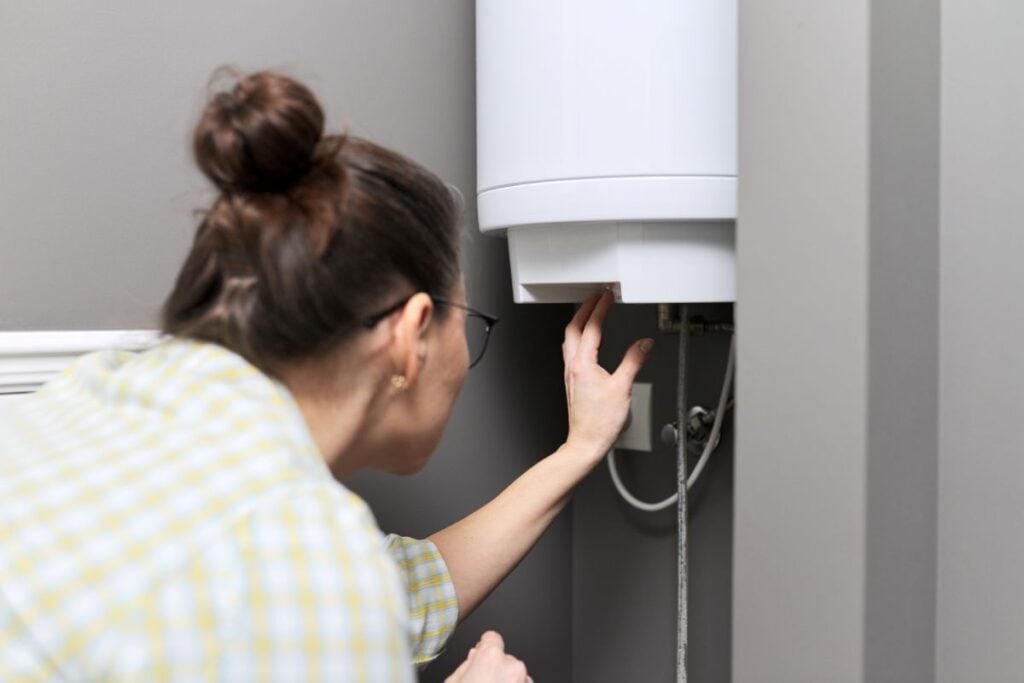
When deciding between a boiler and a furnace, consider your home’s current setup, climate, and comfort preferences. Most Springfield homes already have ductwork, making a furnace the clear winner in terms of convenience, cost, and energy efficiency.
Key Considerations
- Existing system: If you already have ducts, a furnace is the logical choice.
- Climate: Furnaces work well in Missouri’s moderate winters.
- Budget: Installation and maintenance are more affordable.
- Cooling integration: Furnaces connect easily to central AC systems.
Boilers are best suited for homes with existing radiant systems or those seeking specialized, water-based heating. However, for most homeowners, a high-efficiency furnace provides the best long-term comfort and performance.
The Bottom Line on Boilers and Furnaces
When it comes to boiler vs furnace heating systems, both can keep your home warm—but the furnace stands out as the more efficient, cost-effective, and versatile choice. It heats your home faster, integrates easily with air conditioning, and requires less maintenance year after year.
Boilers still have their place in older or specialized homes, but for most Springfield households, upgrading or maintaining a modern furnace ensures dependable comfort through every season.
At Lorenz Plumbing Heating & Air, we’re here to help you understand your heating options and keep your system running safely and efficiently all winter long.

Lorenz: Your Friends in Heating Plumbing & Air
Reach Out Today!
We’re here 24/7—send us a message and we’ll be in touch shortly.


