



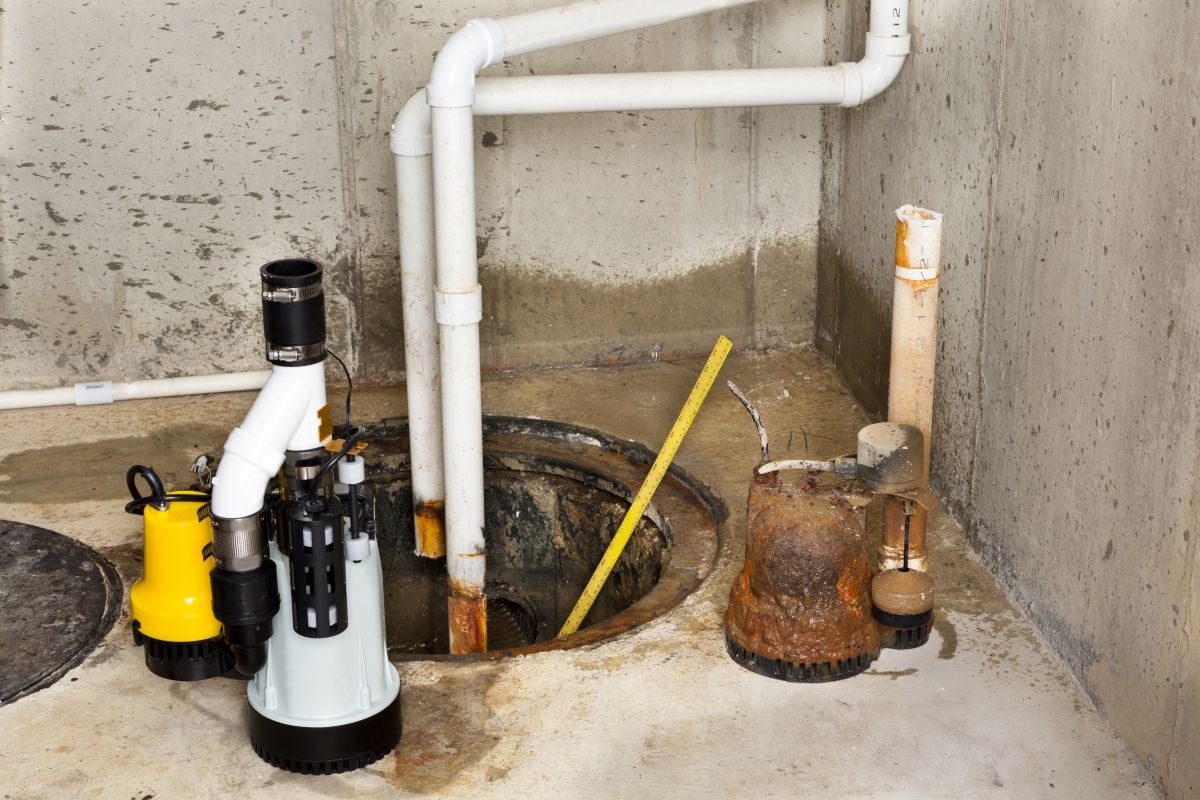
Sump Pump Not Working: 7 Troubleshooting Tips for 2026
If your sump pump not working has left your basement vulnerable to flooding, you’re not alone. A malfunctioning sump pump is one of the most common issues homeowners face during heavy rain or snowmelt. Since the pump is designed to protect your home from water damage, it’s essential to identify the problem quickly and get it running again before costly damage occurs.
- Prevent water damage: A working sump pump protects your basement from flooding.
- Save time and money: Quick troubleshooting avoids major repair costs.
- Be proactive: Understanding how your system works keeps your home protected year-round.
Why Your Sump Pump Is So Important
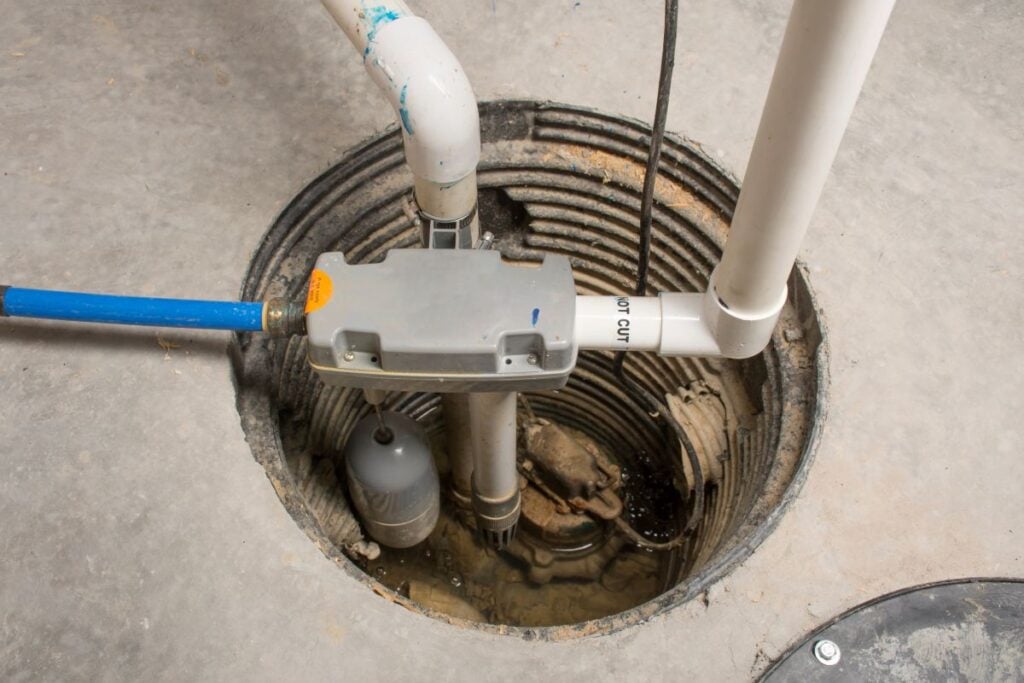
Your sump pump’s job is to remove excess water from the sump basin and keep your basement or crawl space dry. It automatically activates when groundwater rises to a certain level, pushing water safely away from your home’s foundation.
When a sump pump fails to turn on, or stops working altogether, the results can be serious. Flooding can lead to structural damage, mold growth, and ruined belongings. Knowing how to troubleshoot common issues is the first step to keeping your home safe.
7 Troubleshooting Tips To Fix a Sump Pump That’s Not Working
Before calling a plumber, it’s worth checking a few simple things that may restore your pump’s operation. Many common issues can be resolved with basic tools and awareness.
These steps will help you identify whether your sump pump needs a quick adjustment, cleaning, or full replacement.
1. Check the Power Supply
It may sound simple, but a lack of power is one of the most frequent reasons sump pumps stop working.
- Why it happens: Tripped circuit breakers, unplugged cords, or power outages can interrupt operation.
- How to fix it: Ensure the pump is plugged in securely and the outlet works. If your basement recently flooded, the plug may have come loose. Check the circuit breaker or GFCI outlet and reset it if needed.
- Pro tip: Consider installing a battery backup or generator system to keep your pump running during outages.
If power issues persist, have a licensed electrician inspect the outlet and connections for safety.
2. Inspect the Float Switch
The float switch is what activates your sump pump when water levels rise. If it’s stuck, damaged, or obstructed, the pump won’t turn on when needed.
- Why it happens: Debris in the basin, tangled cords, or mineral buildup can block the float’s movement.
- How to fix it: Gently move the float up and down to check for smooth operation. Clean the basin and remove any obstructions. If the switch is worn or cracked, replace it promptly.
- Pro tip: Switch to a vertical float design for better reliability in tight spaces.
A float that doesn’t move freely can stop the entire pump from running, even when power is available.
3. Clear the Discharge Line
Even if your sump pump is running, a blocked discharge line can prevent water from exiting your home. This creates pressure buildup and causes the system to fail.
- Why it happens: Ice, debris, or mud can clog the pipe that carries water away from the house.
- How to fix it: Check the pipe’s exit point outdoors and remove visible obstructions. Disconnect the hose if necessary and flush it with water to clear buildup.
- Pro tip: Install a discharge line with a slight downward slope and a freeze guard to prevent blockages in winter.
Keeping the discharge line clear ensures your pump can efficiently move water away from your foundation.
4. Clean the Sump Pit
A dirty sump pit is a common reason for poor performance. Sediment and debris can clog the pump’s intake or prevent the float switch from moving properly.
- Why it happens: Dirt and small objects accumulate in the basin over time, especially if there’s no protective cover.
- How to fix it: Unplug the pump, remove it from the pit, and clear away any debris. Wipe down the basin and check for damage before reinstalling the pump.
- Pro tip: Consider installing a sump pit cover to reduce debris buildup and improve safety.
Regular cleaning keeps your pump working efficiently and reduces the risk of mechanical failure.
5. Test the Check Valve
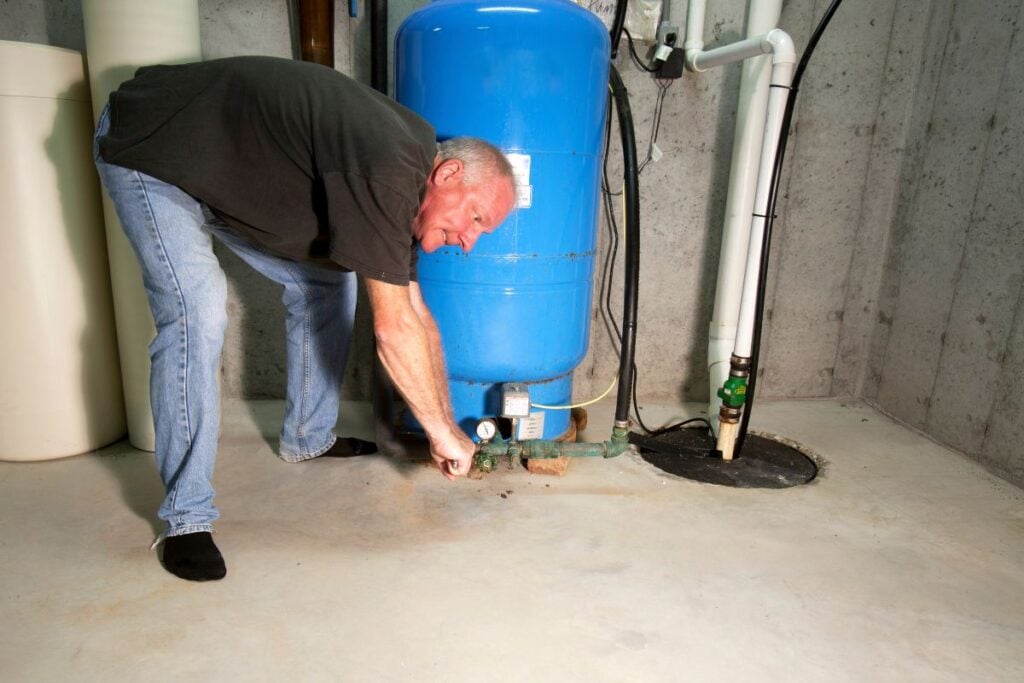
The check valve keeps water from flowing back into the sump pit after it’s been pumped out. If it fails, water can return to the pit, forcing the pump to work harder or run continuously.
- Why it happens: Check valves can wear out, become stuck, or installed backward.
- How to fix it: Inspect the valve’s direction; an arrow should point away from the pump. Replace the valve if it’s cracked or no longer seals tightly.
- Pro tip: Use a spring-loaded check valve for smoother operation and less water hammer noise.
A properly functioning check valve prevents unnecessary cycling and prolongs your pump’s lifespan.
6. Examine for Overheating or Motor Failure
If your pump hums but doesn’t pump water, the motor may be overheated or burned out. Continuous running due to a malfunctioning float or blocked discharge can cause this problem.
- Why it happens: Overuse, low water levels, or debris inside the impeller housing can overheat the motor.
- How to fix it: Unplug the pump and let it cool down for 30 minutes. Check for visible debris and remove any buildup. If it still doesn’t start, the motor may need professional servicing.
- Pro tip: Install a high-quality pump with thermal overload protection for added safety.
Motor problems often indicate an aging or overworked pump that may soon need replacement.
7. Replace an Old or Inefficient Pump
Even the best sump pumps don’t last forever. If yours is more than 7–10 years old, recurring issues or reduced performance may mean it’s time for a new unit.
- Why it happens: Continuous operation, debris buildup, and motor fatigue cause gradual wear over time.
- How to fix it: Have a professional plumber assess whether repairs or replacement make more sense based on your system’s age and condition.
- Pro tip: Upgrade to a newer model with a cast-iron housing and backup battery to handle heavy rainstorms.
Replacing an outdated pump before failure occurs ensures your home stays protected when it matters most.
Preventing Future Sump Pump Problems
Routine maintenance is the key to preventing unexpected sump pump failures. A few simple steps each season can keep your system dependable and ready when heavy rains hit.
Taking preventive action is far easier and less expensive than cleaning up a flooded basement later.
- Test your pump quarterly: Pour water into the sump pit to ensure it activates correctly.
- Clean debris: Keep the pit and discharge line clear.
- Check for power supply stability: Plug the pump into a dedicated outlet, not an extension cord.
- Inspect components annually: Replace worn switches, valves, and seals before they fail.
- Consider a backup system: Battery or water-powered backups provide protection during outages.
Consistent maintenance ensures your sump pump runs reliably and protects your home’s foundation year-round.
When To Call a Professional
If your sump pump still isn’t working after basic troubleshooting, it’s time to call a licensed plumber. Professional inspection helps identify hidden problems like wiring issues, cracked basins, or failing motors that aren’t visible during routine checks.
Expert plumbers also test for proper capacity, ensuring your pump is powerful enough to handle Springfield’s heavy rainfall and groundwater levels.
- Persistent flooding: Indicates your pump isn’t powerful enough or installed correctly.
- Electrical issues: Require professional repair for safety.
- Recurring failures: Suggest the system needs replacement or design improvements.
Professional service gives you confidence that your sump pump system is fully functional when you need it most.
Protect Your Home With Expert Sump Pump Care
When your sump pump not working puts your home at risk, quick action makes all the difference. From checking power and cleaning the pit to inspecting the float switch and check valve, simple steps can often restore operation and prevent costly flooding.
If your pump continues to fail or shows signs of wear, trust the experts at Lorenz Plumbing Heating & Air. Our licensed plumbers help Springfield homeowners repair, replace, and maintain sump pump systems that keep basements dry and homes safe.

Lorenz: Your Friends in Heating Plumbing & Air
Reach Out Today!
We’re here 24/7—send us a message and we’ll be in touch shortly.


