



AC Leaking Water (5 Causes and How to Fix It?)
Is your AC leaking water? A leaking air conditioner is more than just an inconvenience. Left unchecked, it can lead to potential water damage, reduced cooling efficiency, and costly repairs. Since this is a common issue many homeowners face, understanding the problem and how to resolve it can save time, money, and stress.
Here’s a quick glance at what we’ll cover in this blog post:
- The top reasons your AC may be leaking water
- DIY fixes for minor AC leaking issues
- Why professional HVAC expertise is crucial for long-term solutions
If you’re currently dealing with an AC water leak, don’t worry; we’ll walk you through everything you need to know.
💧 Common Causes of AC Leaking Water
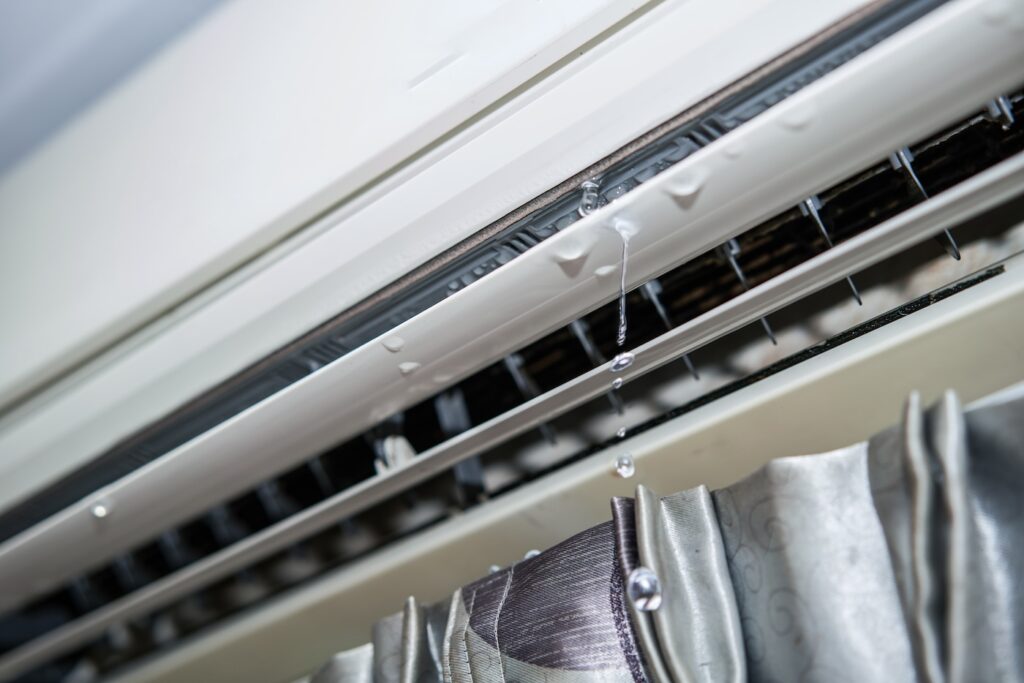
Water leakage from your air conditioning unit typically points to one or more underlying issues. Here are the main culprits:
Clogged Condensate Drain Line
The condensate drain line is responsible for transporting excess moisture from your AC to the outside. When this line gets clogged with dirt, mold, or debris, water has nowhere to go and eventually leaks from your AC unit.
- Why it happens: Over time, dust, dirt, and algae can accumulate in the drain line. If not cleaned regularly, it causes blockages.
- What to look for: Check for water pooling around your indoor AC unit or reduced system performance.
- Fixing the problem: Flushing the drain line with a wet/dry vacuum or a plumber’s snake can typically clear minor clogs.
Dirty Air Filters
A simple yet surprisingly common cause of water leaking from your AC is a dirty air filter. When the air filter becomes clogged, it restricts airflow across the evaporator coils. This restriction can cause the coils to freeze; as they thaw, excessive water is produced, leading to leakage.
- How it forms: Dust buildup on air filters creates obstructions, reducing airflow.
- Signs to watch for: Airflow issues, frozen AC coils, or water dripping from your unit.
- Prevention and solution: Regularly checking and replacing air filters (usually once a month during heavy AC usage) will both prevent leaks and ensure your AC runs efficiently.
Low Refrigerant Levels
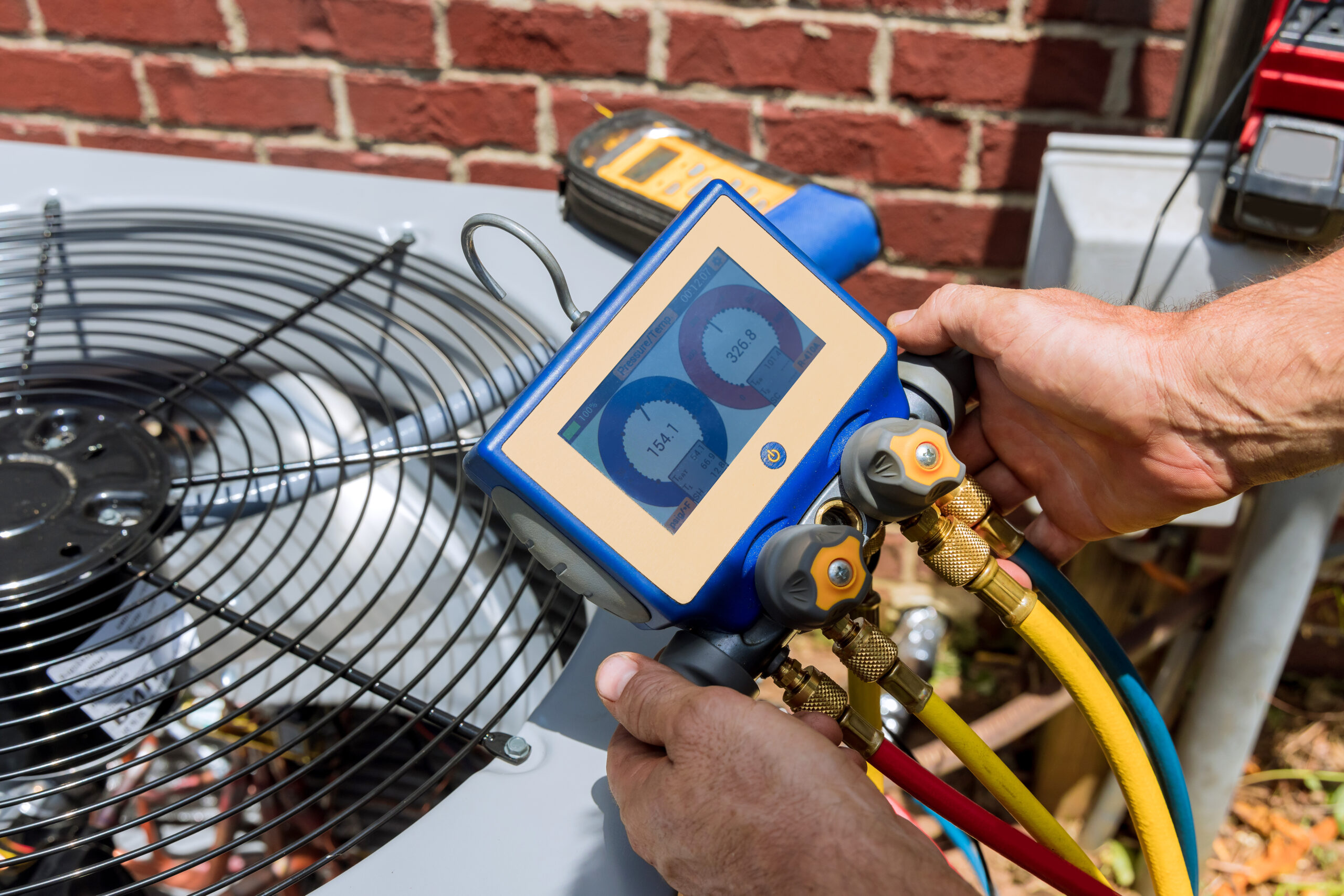
Refrigerant is what cools the air in your AC system. Low refrigerant levels cause the system to lose pressure, freezing the evaporator coil. Just like with dirty filters, these frozen coils can melt into excess water, leading to leaks.
- Why it occurs: Leaks in your refrigerant lines or insufficient maintenance often lead to low levels.
- Symptoms: Hissing noises, warm air blowing from the AC, or visible ice on the coils.
- Addressing the issue: This problem needs professional attention. HVAC technicians can locate leaks, recharge refrigerant, and test for further issues.
Damaged or Rusty Drain Pan
Your AC’s drain pan collects water that drips from the evaporator coils. If the pan is cracked, corroded, or improperly aligned, water will escape and pool under the unit.
- How it happens: Drain pans, especially in older systems, can degrade with age.
- Indications: Visible water pooling under the unit and signs of rust or cracks in the pan.
- Solution: Replace the damaged drain pan. This is usually a straightforward fix that a technician can complete quickly.
Improper Installation
If your AC unit was not installed correctly, water drainage might be compromised. A misaligned unit or improperly connected drain pipes can cause water leakage.
- Where it goes wrong: Units installed on an uneven surface or without proper drainage solutions are prone to issues.
- What to observe: Leakage that starts soon after installation is a strong indicator of this issue.
- The fix: Consult professional HVAC installers to inspect and, if needed, reinstall the unit correctly.
🛠️ How to Fix an AC Leaking Water
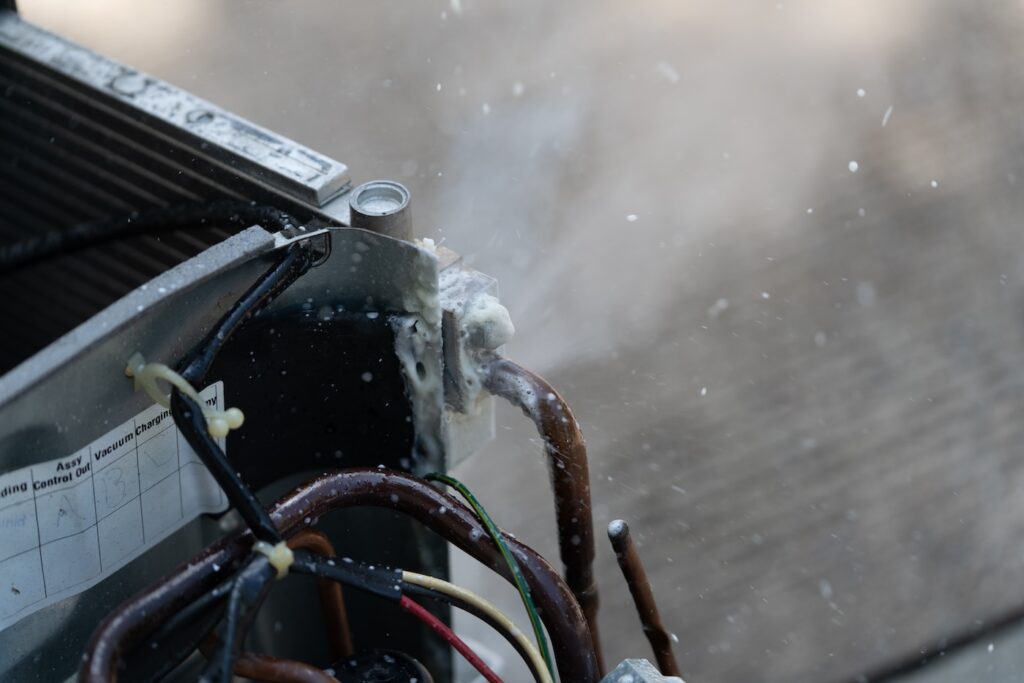
While some AC water leaking problems are straightforward, others may require professional intervention. Here’s a guide to help you decide when to DIY and when to call in an expert.
Quick DIY Fixes for AC Water Leaks
If you’re comfortable with some basic maintenance, you may be able to address minor AC leaks yourself. Follow these 3 steps:
- Flush the Drain Line: Locate the drain line near the indoor unit (usually marked with a PVC pipe).
- Use a wet/dry vacuum to suction out any clogs.
- Pour a small amount of vinegar or a cleaning solution down the line to prevent future mold growth.
- Replace the Air Filter: Turn off your AC before inspecting the filter.
- Remove the filter and check for dust or dirt buildup.
- Insert a new filter, ensuring it’s the correct size for your system.
- Check and Align the Drain Pan: Inspect the pan below your AC unit for cracks or misalignment.
- Clean out dirt or rust, and use a sealant for minor cracks. Call a professional for significant damage.
5 Professional Solutions for Complex Repairs
For more significant issues, trust the following solutions to licensed HVAC professionals:
- Diagnose Low Refrigerant Levels or Leaks
- Replace Rusted or Severely Damaged Drain Pans
- Inspect and Correct Installation Errors
- Perform Routine Maintenance and Deep Cleaning
- Resolve Issues with the Evaporator Coils or Other Internal AC Components
Attempting complex repairs yourself can void warranties and risk further damage to your system, which is why expert assistance is essential.
⭐️ Why Choose Lorenz for Repairs
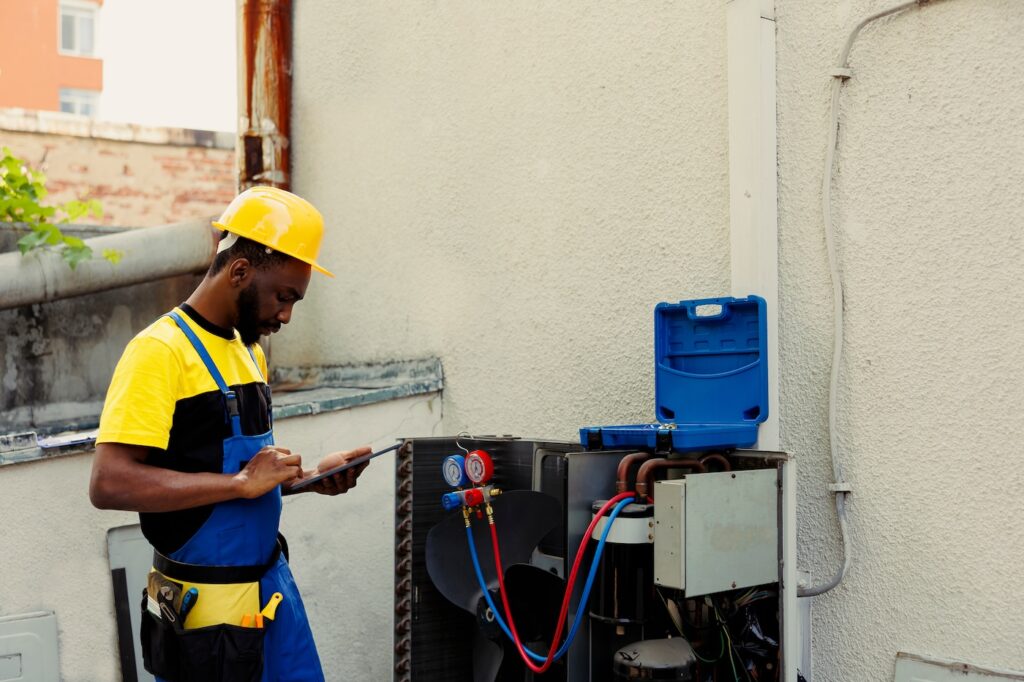
When that frustrating AC water leak just won’t stop, Lorenz Plumbing, Heating & Air Conditioning is the team you can trust. With years of experience in HVAC and plumbing, we specialize in diagnosing and resolving even the trickiest AC problems.
- Expertise You Can Count On: Our certified technicians are highly skilled in AC diagnostics and repair.
- Fast and Reliable Service: We understand the importance of a comfortable home, which is why we provide prompt and effective solutions.
- Customer-Focused Approach: From the moment you reach out to us, you’ll experience top-notch service and transparent communication.
Don’t wait for water damage or higher energy bills to take a toll. Contact Lorenz Plumbing, Heating & Air Conditioning to keep your home cool and dry with the professionals who care.

Lorenz: Your Friends in Heating Plumbing & Air
Reach Out Today!
We’re here 24/7—send us a message and we’ll be in touch shortly.


