



Clogged Drain: 4 Common Causes and Quick Fixes
A clogged drain is one of the most common household plumbing problems homeowners face. Whether it’s a slow sink, standing water in the shower, or a backed-up kitchen drain, understanding what causes the blockage and how to address it can save you time and frustration. By learning a few simple fixes, you can often resolve minor clogs safely and prevent bigger plumbing issues in the future.
- Everyday causes: Most clogs form slowly due to buildup or misuse.
- Simple prevention: Good habits can keep your drains flowing freely.
- DIY vs professional help: Knowing when to call a plumber saves time and money.
Why Drains Become Clogged
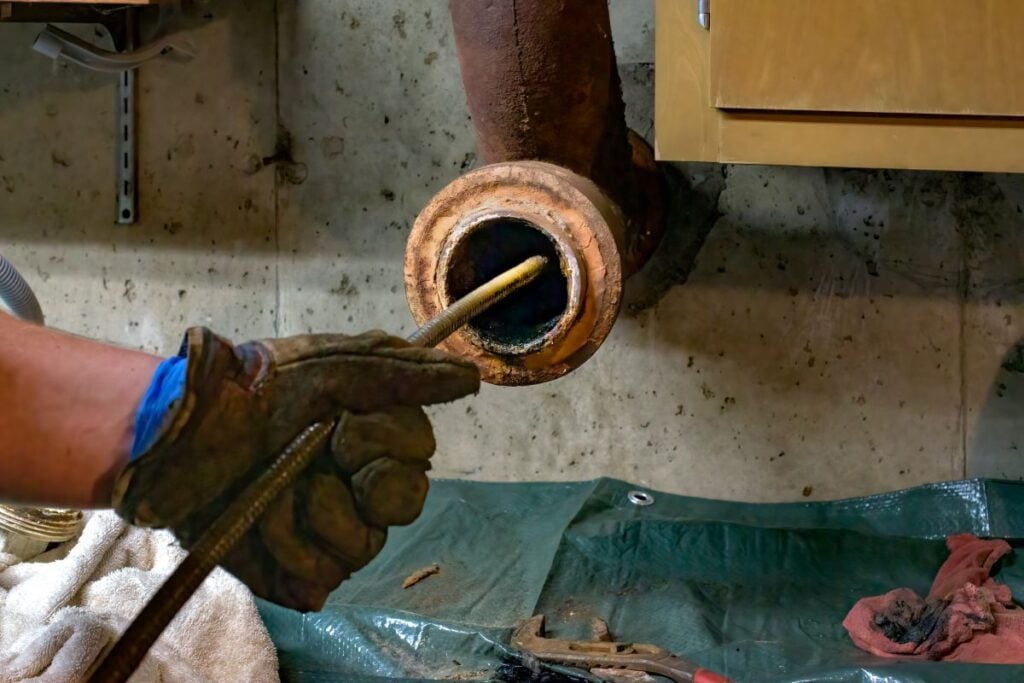
Most drain clogs don’t happen overnight. They develop gradually as grease, soap residue, hair, and other debris accumulate inside the pipes. Over time, this buildup narrows the passageway until water can no longer flow freely.
The good news? Many clogs can be prevented, or even fixed, without heavy-duty equipment. Understanding what causes them is the first step toward keeping your plumbing system in good condition.
4 Common Causes and Quick Fixes
These are some of the most frequent reasons Springfield homeowners experience a clogged drain, along with practical tips to get things flowing again.
1. Hair and Soap Scum Buildup
Bathrooms are the most common place for hair-related clogs. Strands combine with soap residue inside pipes, creating sticky blockages that slow drainage in sinks, tubs, and showers.
- Why it happens: Hair wraps around itself and traps soap and oils, hardening into a mass that restricts water flow.
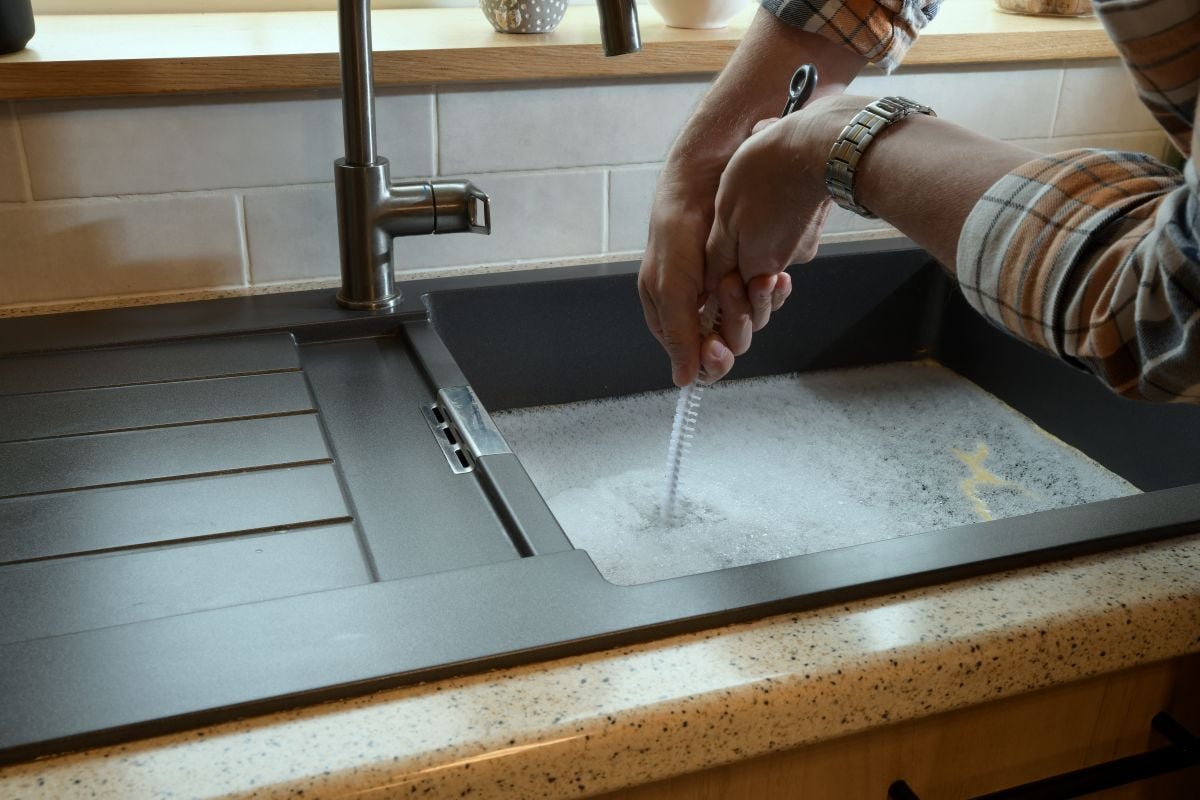
- Quick fix: Remove the drain stopper and use a hair snake or small plastic drain tool to pull out the clog. Pour boiling water afterward to flush out residue.
- Prevention: Use drain strainers to catch hair before it enters the pipe and clean them regularly.
If water still drains slowly after cleaning, the blockage may be deeper in the pipe and require professional attention.
2. Grease and Food Waste
Kitchen sinks are especially prone to clogs caused by grease, oil, and food particles. Even small amounts of fat solidify as they cool, coating the inside of pipes and trapping other debris.
- Why it happens: Pouring cooking oil, butter, or food scraps down the sink allows grease to accumulate on pipe walls.
- Quick fix: Mix equal parts baking soda and vinegar, pour it down the drain, and let it sit for 15 minutes. Follow with hot (not boiling) water to help dissolve buildup.
- Prevention: Wipe greasy pans with a paper towel before washing and use sink strainers to catch food debris.
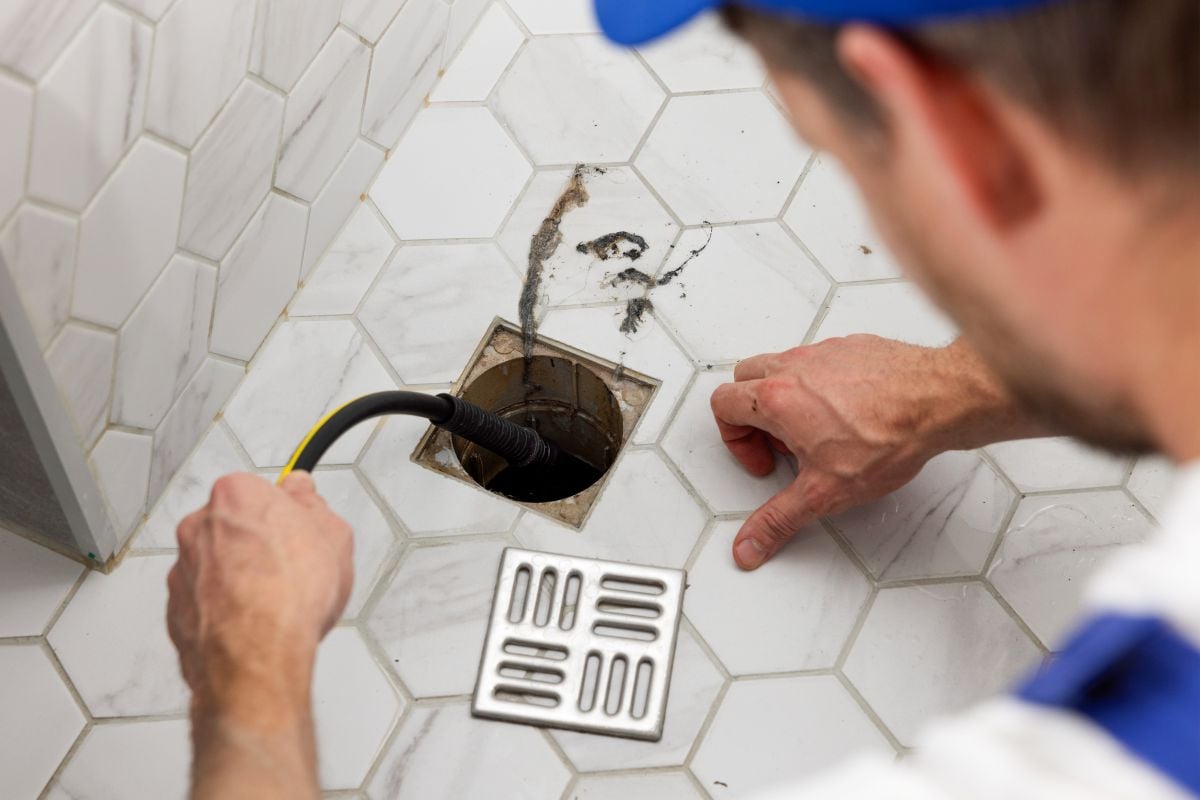
For tougher kitchen clogs, avoid using chemical drain cleaners—they can corrode pipes. Instead, a plumber can use professional tools like a drain auger or hydro jet to clear the line safely.
3. Foreign Objects and Everyday Items
Sometimes, drains clog because of accidental misuse. Small objects, hygiene products, or excessive toilet paper can block pipes and cause backups.
- Why it happens: Toilets, sinks, and floor drains aren’t designed to handle non-degradable materials. Items like wipes, paper towels, and cotton swabs can quickly cause obstructions.
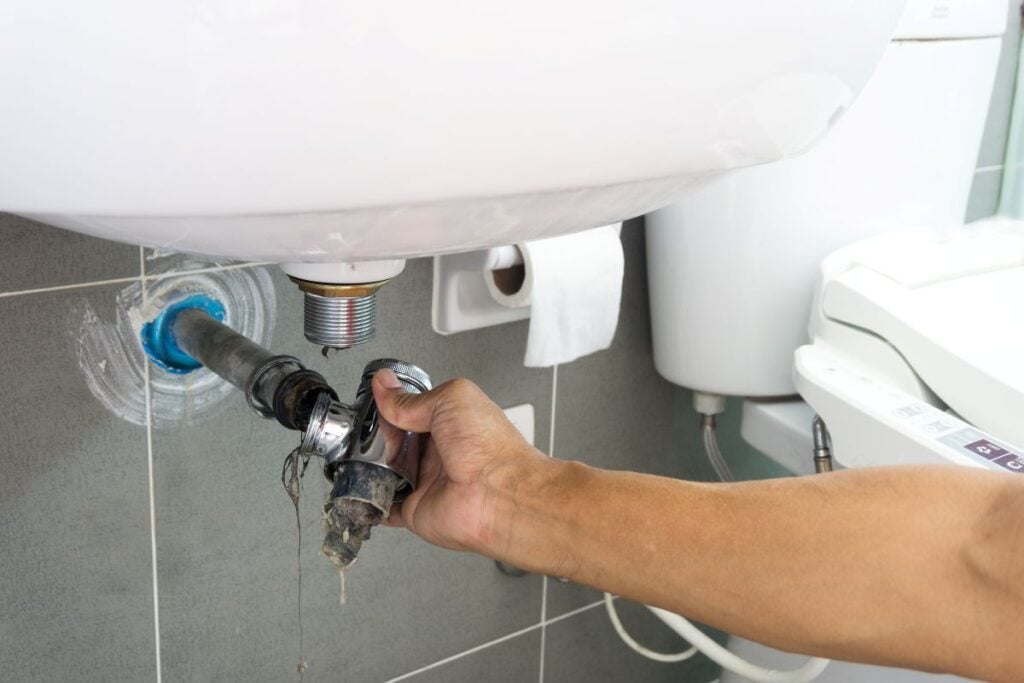
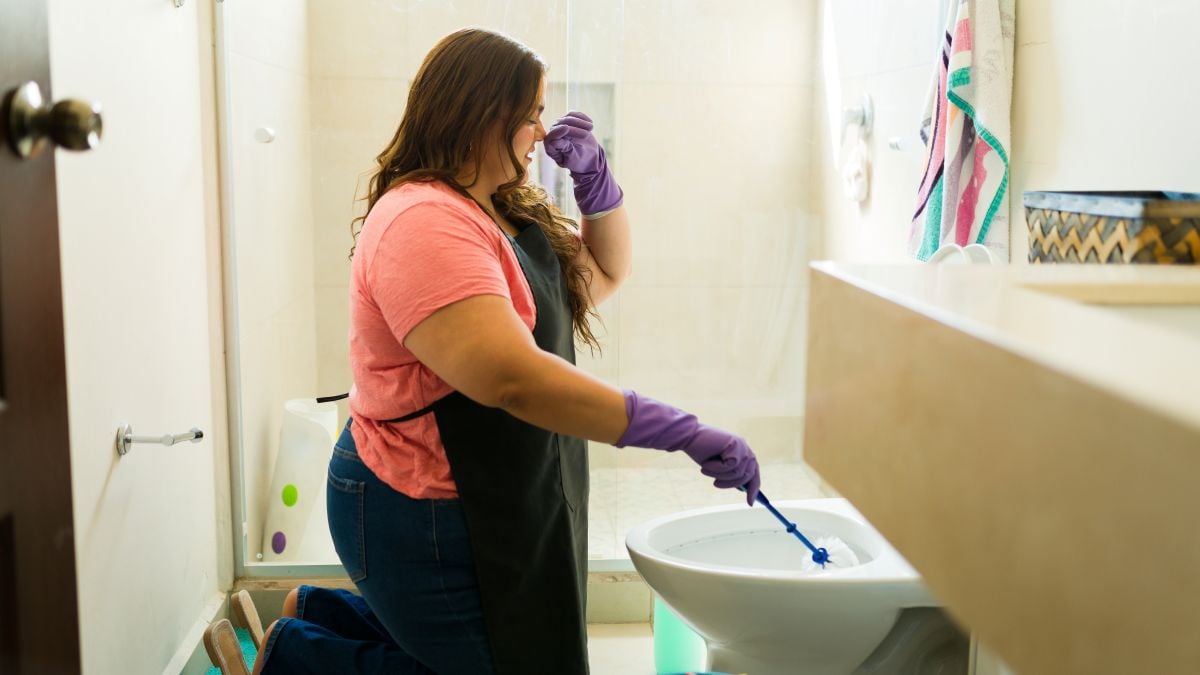
- Quick fix: For toilets, use a flange plunger to create pressure and dislodge the blockage. For sinks, remove the trap beneath the drain and manually clear any visible items.
- Prevention: Only flush toilet paper and human waste. Keep small objects and hygiene items away from sinks and tubs.
If plunging doesn’t help, the object may be lodged further down the line, in which case professional removal is recommended to avoid pipe damage.
4. Tree Roots or Collapsed Pipes
When multiple drains in your home back up at once, the issue might not be inside your house at all—it could be in your main sewer line. Tree roots naturally seek moisture, and over time they can penetrate small cracks in buried pipes.
- Why it happens: Older clay or cast iron sewer lines are especially vulnerable to root intrusion. Once roots grow inside, they block or even collapse the line.
- Quick fix: Unfortunately, this is not a DIY issue. A licensed plumber can inspect the line with a sewer camera and determine whether hydro jetting or pipe replacement is needed.
- Prevention: Schedule regular sewer line inspections, especially if you have mature trees near your property. Avoid planting new trees close to buried utility lines.
A sewer line clog often shows up as multiple drains backing up, gurgling noises, or sewage odors near floor drains, signs that require immediate professional evaluation.
Early Warning Signs of a Clogged Drain
Catching a clog early helps prevent backups and expensive repairs. Pay attention to these subtle symptoms before a full blockage develops.
- Slow draining water: Indicates partial blockage starting to build.
- Gurgling sounds: Air trapped in pipes due to restricted flow.
- Bad odors: Food or debris decaying inside the drain.
- Frequent plunging: A recurring clog may point to deeper pipe issues.
If you notice more than one of these signs, take action quickly—small maintenance steps now can save major repairs later.
Safe DIY Methods for Clearing Clogs
Many minor drain clogs can be handled with simple tools and non-toxic materials. Always avoid harsh chemicals, which can damage plumbing and harm the environment.
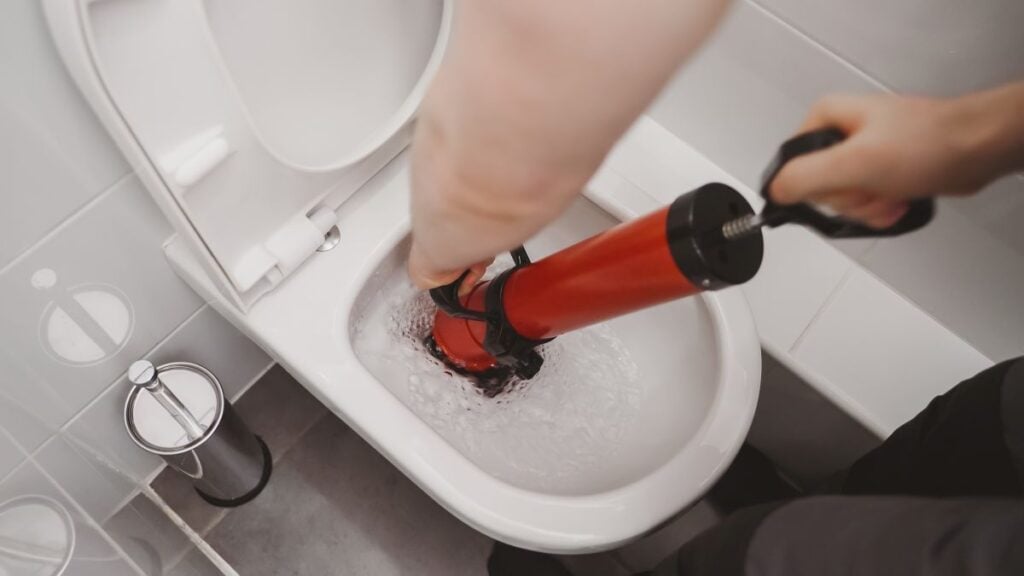
- Plunger: Ideal for sinks and toilets. Create a tight seal and push firmly to generate pressure.
- Drain snake: Flexible metal or plastic tool that reaches deeper into pipes.
- Baking soda and vinegar: A natural way to dissolve buildup without harming pipes.
- Boiling water: Useful for grease and soap residue, but avoid using on PVC pipes.
If these solutions don’t work or the clog keeps returning, that’s a sign of a deeper plumbing issue.
When To Call a Professional
Some clogs are too deep or stubborn for DIY methods. Calling a licensed plumber ensures the blockage is fully cleared and your plumbing system is inspected for damage.
- Recurring blockages: Indicates a larger problem within your drain line.
- Multiple slow drains: May signal a main sewer line issue.
- Sewage smell or backup: Requires immediate professional attention.
Professional plumbers use specialized equipment like video inspection cameras and hydro-jetting systems to locate and clear clogs safely, without harming your pipes.
Preventing Future Drain Clogs
Prevention is always easier than repair. With a few simple habits, you can keep drains clear and avoid most clogs altogether.
- Use drain covers: Catch hair, food, and debris before they enter pipes.
- Run hot water: Flush your drains weekly to prevent buildup.
- Dispose of grease properly: Pour used cooking oil into a sealed container and discard it in the trash.
- Avoid flushing non-flushables: Only flush waste and toilet paper.
- Schedule periodic inspections: A quick check by a plumber keeps your system healthy.
Routine maintenance and smart usage go a long way in protecting your home’s plumbing system.
Understanding the Bigger Picture
A clogged drain may seem minor, but it can reveal deeper plumbing issues like corrosion, shifting pipes, or tree root intrusion. Regular awareness and timely maintenance can prevent small inconveniences from turning into major home repairs.
Keeping your drains clear not only improves daily comfort but also preserves your plumbing system’s efficiency and lifespan.
Keep Drains Clear and Flowing Smoothly
Dealing with a clogged drain doesn’t have to be stressful. Knowing the common causes, early warning signs, and quick fixes empowers homeowners to handle small problems safely before they escalate.
For complex or recurring clogs, professional inspection and maintenance are always the best long-term solutions. By staying proactive and adopting smart habits, Springfield homeowners can enjoy reliable, efficient plumbing all year long.
If you’re dealing with stubborn drain issues or want to prevent future blockages, reach out to Lorenz for expert guidance. We’ll help you understand what’s causing the problem and recommend the best way to restore clear, consistent flow in your home’s plumbing.

Lorenz: Your Friends in Heating Plumbing & Air
Reach Out Today!
We’re here 24/7—send us a message and we’ll be in touch shortly.


