



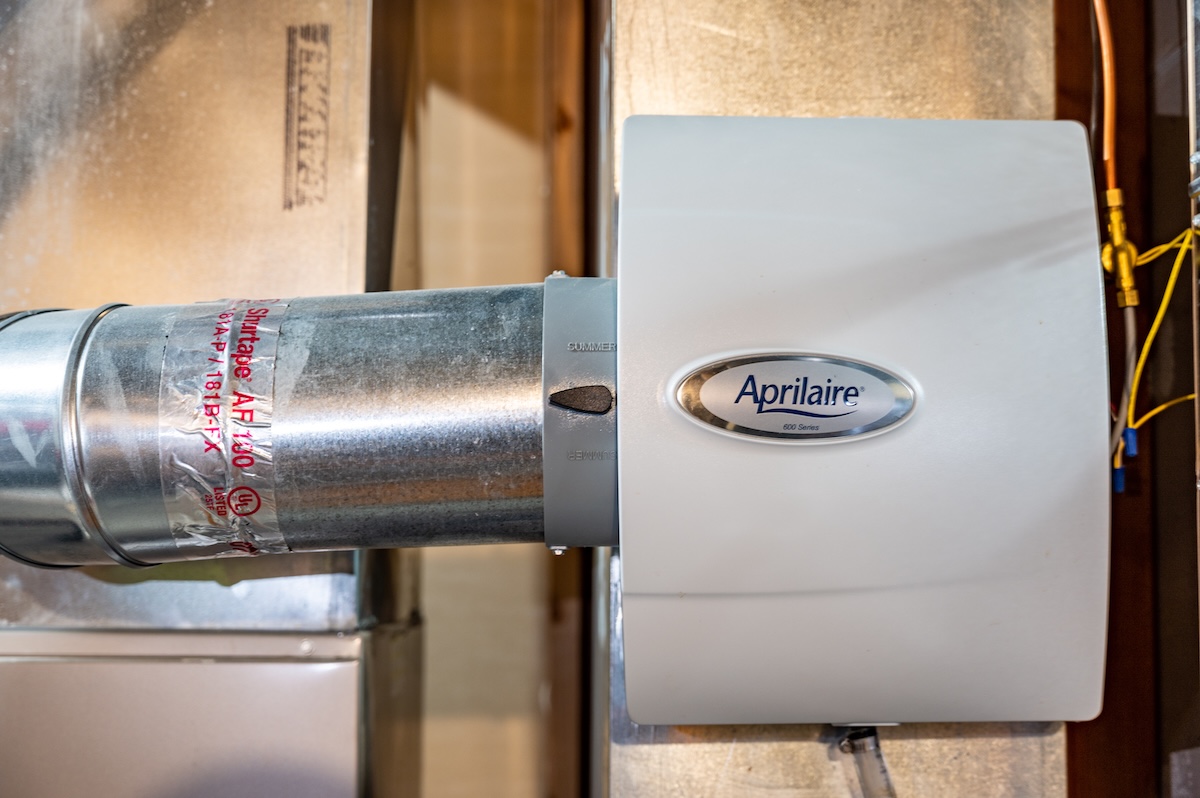
3 Best Types Of Furnace Humidifier To Consider In 2025
If you’ve been thinking about improving your home’s air quality, understanding the best type of furnace humidifier for your system is a great place to start. A furnace humidifier adds moisture to your home’s air as it circulates through your HVAC system, preventing dryness that can cause health issues, wood damage, and static electricity. In 2025, new models are more efficient, quieter, and easier to maintain than ever before.
- Healthier air: Proper humidity reduces dry skin, allergy symptoms, and respiratory irritation.
- Home protection: Prevents wood floors and furniture from cracking due to low humidity.
- Energy efficiency: Balanced humidity allows you to feel warmer at lower thermostat settings.
Why a Furnace Humidifier Matters
During winter, your home’s heating system can quickly dry out the air, especially when temperatures drop below freezing. Low humidity can lead to dry throats, cracked lips, and static shocks, while also damaging wood furniture and musical instruments.
Installing a furnace humidifier helps maintain a comfortable humidity level throughout your entire home automatically. Unlike small portable units, whole-home humidifiers integrate directly into your HVAC system and provide consistent moisture distribution without constant refilling.
How Furnace Humidifiers Work
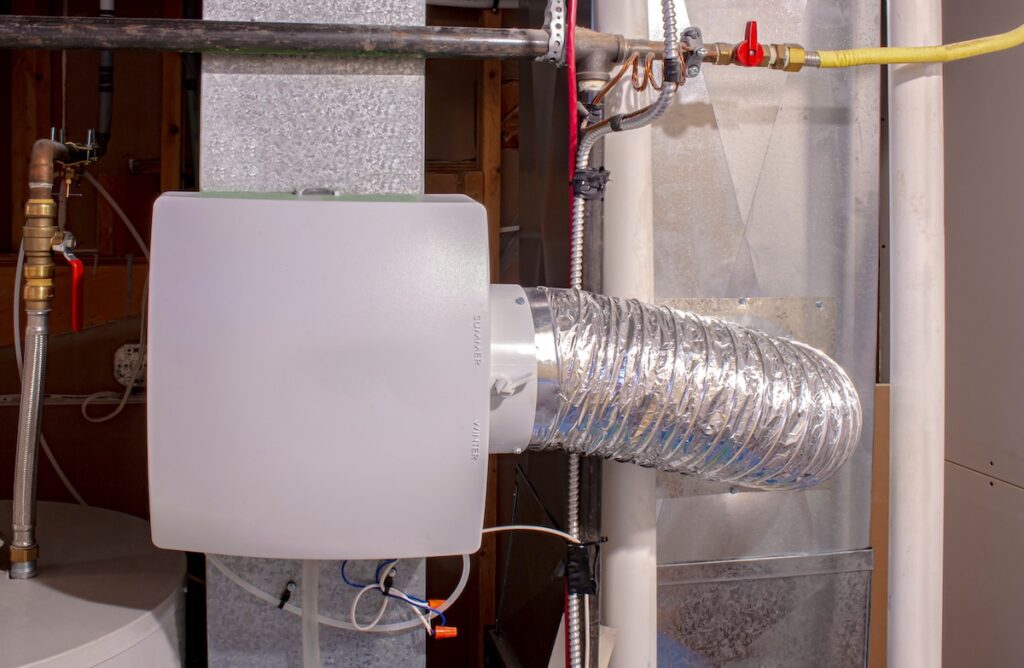
A furnace humidifier connects to your home’s ductwork and adds water vapor to the air as it passes through the heating system. Depending on the model, it may use a water panel, steam, or fan-assisted process to generate and distribute moisture evenly.
- Integration: Installed alongside your furnace for whole-home coverage.
- Automatic control: Many models monitor humidity levels and adjust automatically.
- Low maintenance: Only requires seasonal cleaning or pad replacement.
3 Best Types of Furnace Humidifier
Each type of furnace humidifier operates differently and is designed for specific home sizes, climates, and maintenance preferences. Below are the three main types homeowners should consider in 2025.
1. Bypass Furnace Humidifiers
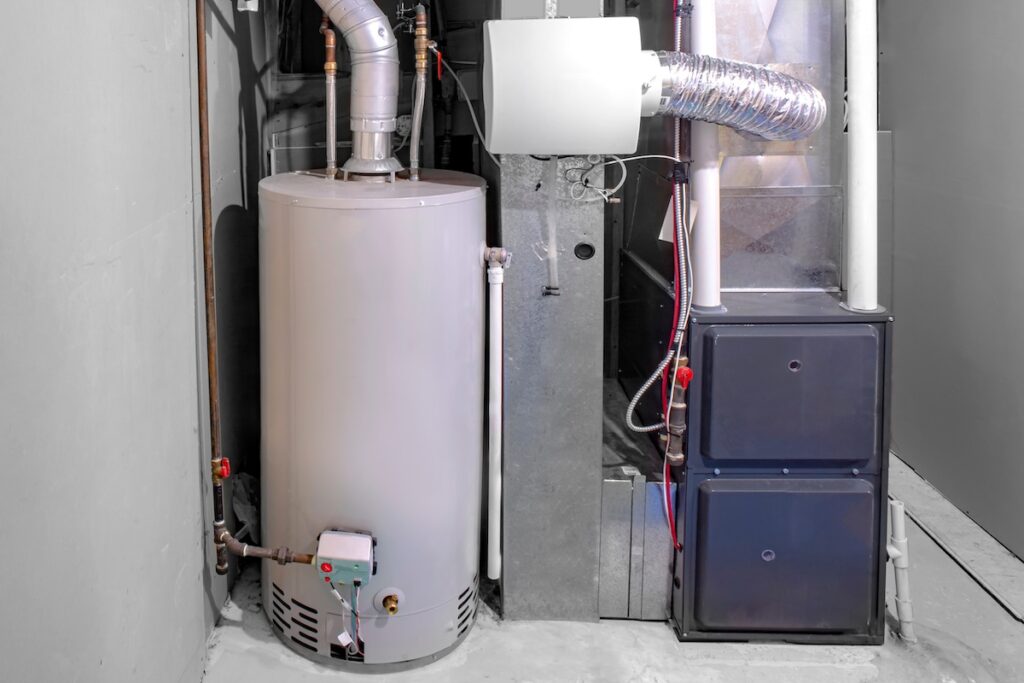
Bypass humidifiers are one of the most popular and affordable options. They use the warm air from your furnace to evaporate water from a humidifier pad, adding moisture to the airflow before it’s distributed through the ducts.
- Operation: Relies on existing furnace airflow; no fan or motor.
- Maintenance: Low—just replace the water panel annually.
- Cost: Typically between $150–$300 (plus installation).
- Best for: Small to mid-sized homes or homeowners who prefer simple systems.
Bypass humidifiers are energy-efficient since they use your furnace’s blower motor. However, they require space for a bypass duct, so they’re not ideal for tight installation areas.
2. Fan-Powered Furnace Humidifiers
Fan-powered humidifiers work similarly to bypass models but include a built-in fan that blows air across the water panel. This allows for greater humidity output and more flexibility in installation.
- Operation: Uses an internal fan to increase moisture production.
- Maintenance: Moderate—replace pads and clean the fan periodically.
- Cost: Around $250–$500 (plus installation).
- Best for: Medium to large homes needing stronger humidity control.
Fan-powered units don’t require a bypass duct, making them great for homes with limited space. They also provide faster and more consistent humidity levels throughout your home.
3. Steam Furnace Humidifiers
Steam humidifiers are the most advanced and efficient type. They boil water to produce steam, which is injected directly into the duct system for immediate distribution.
- Operation: Generates pure steam for fast humidity control.
- Maintenance: Higher—requires regular cleaning and water treatment.
- Cost: Typically ranges from $600–$1,500 (plus installation).
- Best for: Large homes or families needing precise humidity levels year-round.
While more expensive, steam humidifiers deliver the most consistent results and can maintain ideal humidity even in very cold, dry climates.
Furnace Humidifier Comparison Table
Here’s a side-by-side look at how each type of furnace humidifier compares in performance, cost, and maintenance.
| Feature | Bypass Humidifier | Fan-Powered Humidifier | Steam Humidifier |
| Operation | Uses furnace blower airflow to evaporate water. | Uses built-in fan to push air through a water panel. | Boils water to produce steam injected into ducts. |
| Coverage Area | Small to medium homes | Medium to large homes | Large homes or high-demand climates |
| Efficiency | Energy-efficient; relies on existing airflow. | Slightly higher power use but improved humidity control. | Highest efficiency and humidity precision. |
| Maintenance | Low—replace pad annually. | Moderate—replace pad and clean fan. | High—clean tank and check electrodes regularly. |
| Installation Cost | $150–$300 | $250–$500 | $600–$1,500 |
| Noise Level | Very quiet | Slight fan noise | Minimal noise during steam generation |
| Best For | Budget-friendly, simple installations | Balanced performance and flexibility | Premium systems and precise humidity control |
How To Choose the Right Furnace Humidifier
Selecting the right furnace humidifier depends on your home’s size, climate, and comfort preferences. A professional HVAC technician can help determine which model best fits your system.
- Home size: Larger homes benefit from fan-powered or steam models that deliver higher humidity output.
- Budget: Bypass humidifiers are the most affordable, while steam units are premium investments.
- Maintenance preference: If you prefer low maintenance, bypass systems are easiest to manage.
- Climate: Dry, cold areas may require steam humidifiers for optimal comfort.
- Energy efficiency: Fan-powered models offer a great balance between energy use and performance.
Maintenance Tips for Furnace Humidifiers
Keeping your humidifier clean and well-maintained ensures it continues operating efficiently. Routine care prevents mold, mineral buildup, and system strain.
- Replace water panels or pads annually: Hard water can cause mineral deposits that block airflow.
- Clean components seasonally: Use a mild vinegar solution to remove buildup from trays and panels.
- Inspect the water line: Look for clogs or leaks that could affect performance.
- Monitor humidity levels: Aim for 30–50% indoor humidity to prevent both dryness and condensation.
- Schedule professional maintenance: Annual service from Lorenz Plumbing Heating & Air keeps your system in top shape.

Energy Efficiency and Indoor Comfort
Maintaining balanced humidity doesn’t just improve comfort—it also boosts efficiency. When humidity levels are ideal, your home feels warmer even at lower thermostat settings. That means your furnace runs less frequently, saving energy and reducing wear on the system.
Additionally, consistent humidity protects hardwood floors, furniture, and musical instruments from cracking. It also helps prevent dry skin and respiratory irritation during harsh Missouri winters.
Trust Lorenz for Expert Humidifier Installation
Choosing the right furnace humidifier can transform your home’s comfort and air quality, especially during the dry winter months. Whether you prefer the simplicity of a bypass unit, the power of a fan-assisted model, or the precision of a steam humidifier, proper installation and care make all the difference. For maximum results, ensure your system is also equipped with one of the best furnace filters to keep your air clean and your new equipment running efficiently.
At Lorenz Plumbing Heating & Air, our skilled technicians help homeowners select, install, and maintain the perfect humidifier for their system. Contact Lorenz today to learn more about whole-home humidifier options and enjoy cleaner, healthier air all year long.

Lorenz: Your Friends in Heating Plumbing & Air
Reach Out Today!
We’re here 24/7—send us a message and we’ll be in touch shortly.


