


Gas Furnace Repair: 7 Signs Of Damage & Fixes
When you find yourself searching for gas furnace repair, it’s usually because something doesn’t feel right—uneven heating, strange noises, or no heat at all. Your furnace works hard throughout the winter to keep your home warm, and even small issues can quickly grow into bigger, more expensive problems if ignored. Knowing the signs of damage and what to do about them can help you act fast and stay comfortable.
- Early detection: Spotting problems early prevents costly emergency repairs.
- Safety assurance: Prompt gas furnace repair keeps your family safe from carbon monoxide leaks.
- Energy savings: Fixing issues right away helps maintain efficiency and lower utility bills.
Why Gas Furnace Repair Is Important
Your gas furnace is one of the most reliable heating options available, but it also contains several mechanical and safety components that must work in harmony. When one part fails, it can affect the entire system. Ignoring minor issues can lead to energy waste, reduced comfort, and potential safety hazards.
Periodic maintenance and timely repairs help extend the life of your system and prevent unexpected breakdowns during the coldest months. When you notice changes in performance, it’s best to act quickly rather than wait for the problem to worsen.
How Gas Furnaces Work
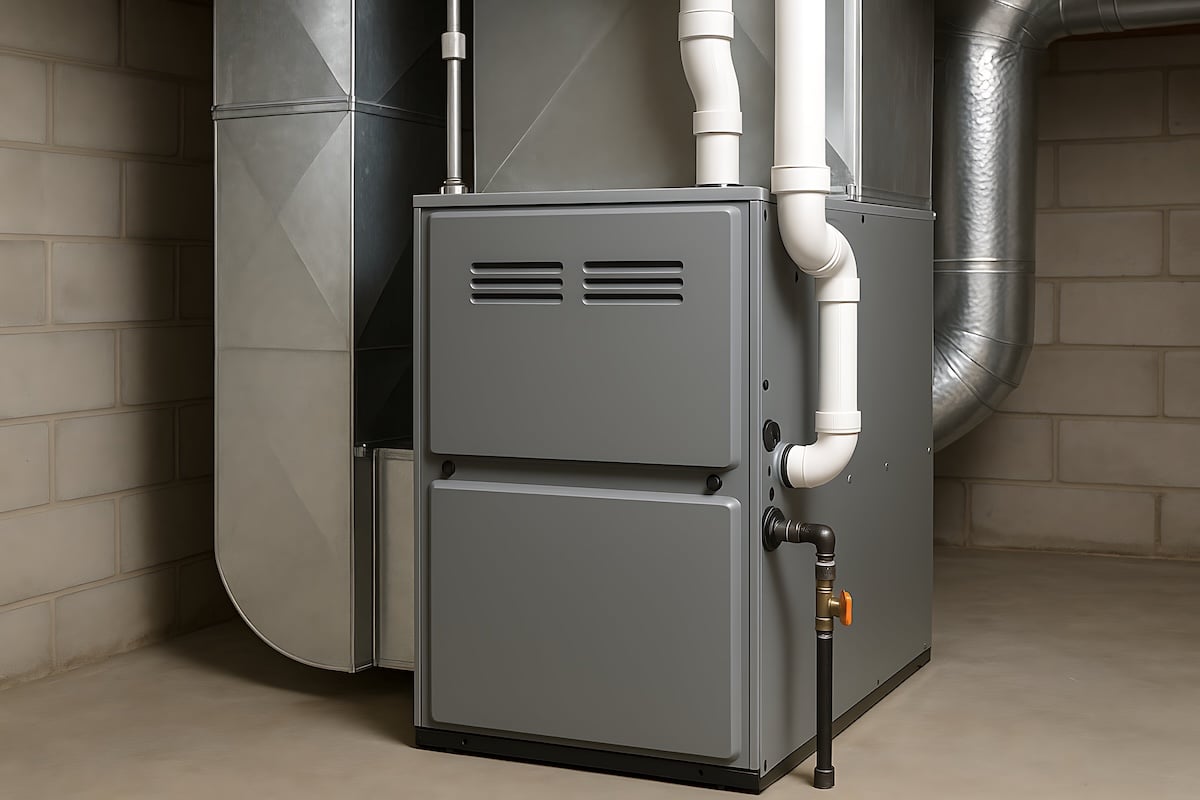
Understanding the basics of how your furnace operates makes it easier to recognize when something’s wrong. A gas furnace uses a series of controlled steps to produce and distribute heat throughout your home.
- Ignition: The system lights the burners to heat the air.
- Heat exchange: The warm air passes through the heat exchanger, transferring heat safely to the air supply.
- Blower operation: The blower fan pushes the warm air through ducts and vents.
- Thermostat control: The furnace cycles on and off based on your temperature settings.
When any of these processes are interrupted—by clogged filters, faulty sensors, or ignition problems—you’ll likely notice warning signs that repair is needed.
7 Signs You May Need Gas Furnace Repair (and How to Fix Them)
These common symptoms indicate that your gas furnace may need professional attention. Catching them early can save time, money, and frustration.
1. Weak or Uneven Heat
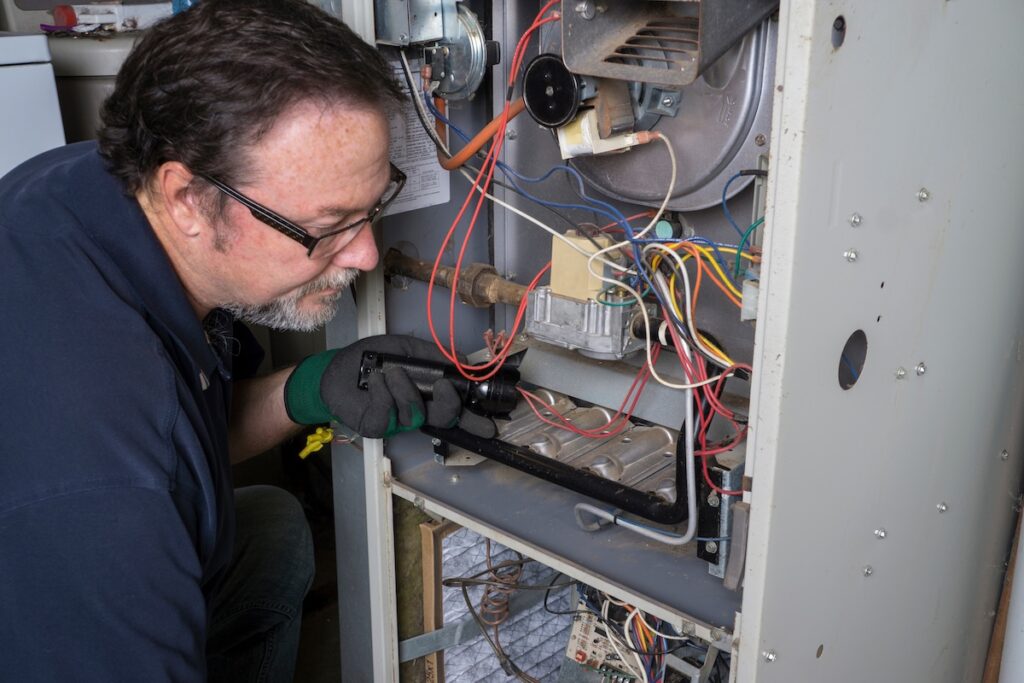
If some rooms in your home feel much colder than others, restricted airflow or dirty filters could be the cause. Inconsistent temperatures often indicate duct blockages, blower issues, or problems with your thermostat.
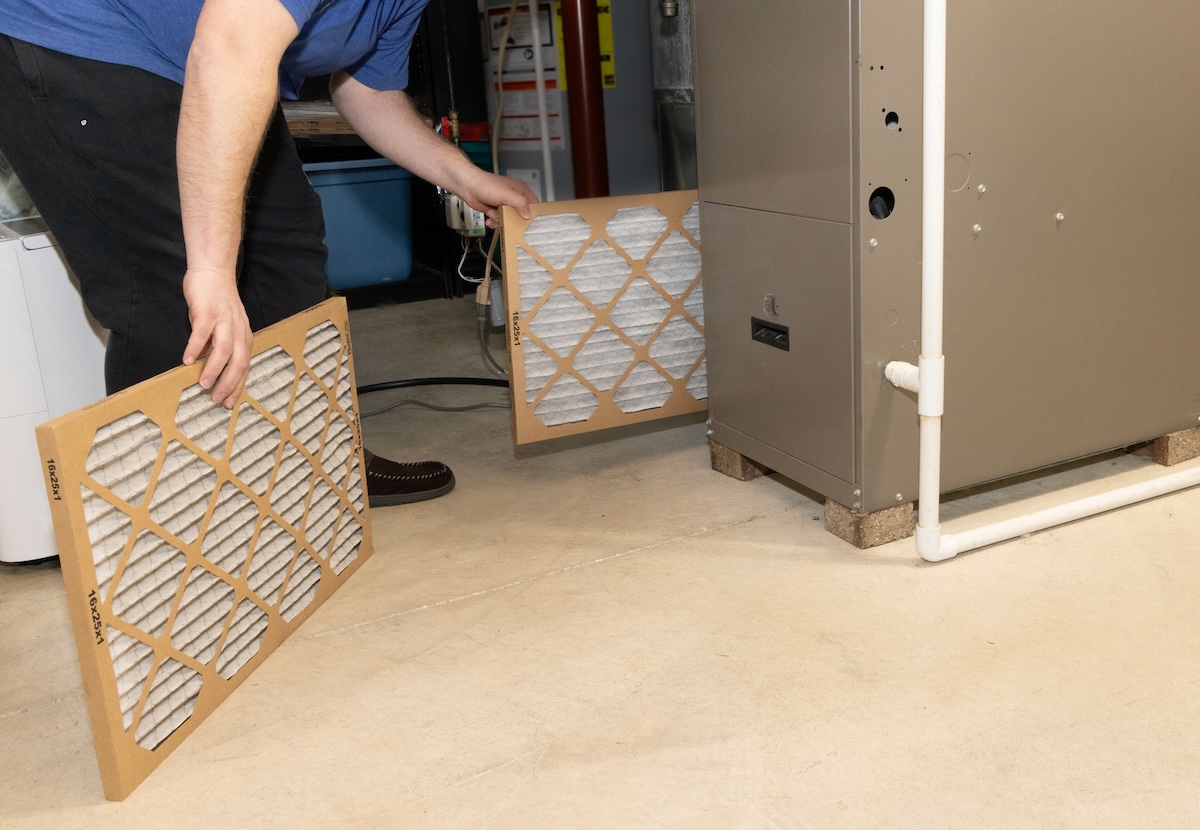
- Fix: Replace the air filter, check all vents for obstructions, and make sure your thermostat is working properly. If the issue persists, a technician can inspect the blower motor and ducts for leaks or buildup.
2. Strange Noises
Grinding, rattling, or banging sounds are never normal. These noises often mean that components like bearings, belts, or burners are wearing out or dirty.
- Fix: Turn off the system and schedule a professional inspection immediately. Continuing to run a noisy furnace can cause further damage. Regular maintenance prevents dirt buildup and mechanical wear.
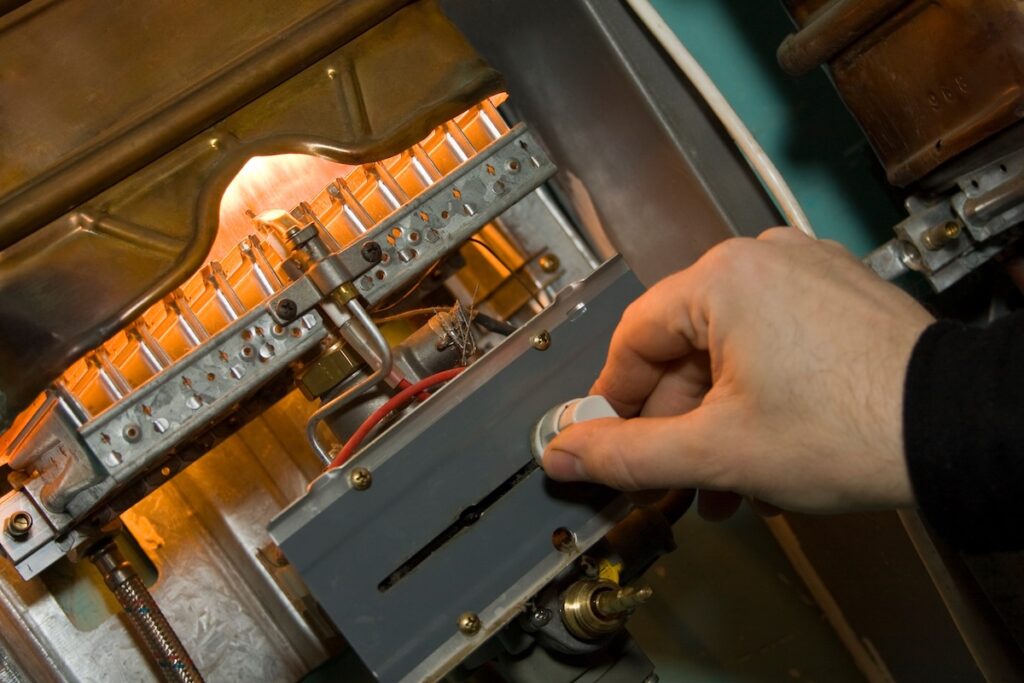
3. Yellow or Flickering Pilot Light
A healthy gas flame should burn blue. If it’s yellow or flickering, it could signal incomplete combustion, which may lead to dangerous carbon monoxide leaks.
- Fix: Shut off the furnace and call a professional right away. Technicians will inspect the burner and gas line to ensure safe operation. Do not attempt to adjust the flame yourself.
4. Frequent Cycling On and Off
If your furnace is turning on and off repeatedly without heating your home properly, it may be short cycling. This issue can result from a clogged filter, thermostat malfunction, or an overheating system.
- Fix: Check and replace dirty filters first. If the problem continues, have an HVAC technician test the thermostat and inspect the heat exchanger for issues that could trigger automatic shutoffs.
5. Rising Energy Bills
When your energy costs spike unexpectedly, your furnace may be running longer than necessary to reach the set temperature. This inefficiency often points to dirty filters, leaky ducts, or aging components.
- Fix: Clean or replace filters, inspect visible ductwork for leaks, and schedule a professional efficiency tune-up. Technicians can identify parts that are wearing out and restore your furnace’s performance.
6. Strange Odors or Burning Smells
A faint dusty smell when you first start the furnace is normal, but persistent burning, gas, or metallic odors are not. These could indicate electrical problems, a gas leak, or overheating parts.
- Fix: Turn off the furnace immediately and call a professional for inspection. Never ignore a gas smell—leave the home if the odor is strong and contact your gas provider right away.
7. Furnace Won’t Turn On
If your system refuses to start, it could be as simple as a tripped circuit breaker or as complex as a failed ignition system. Check your thermostat and breaker panel first.
- Fix: Reset any tripped breakers, replace batteries in the thermostat, and make sure your gas supply valve is open. If these steps don’t help, contact a technician to diagnose electrical or control board issues.
DIY vs Professional Furnace Repairs
While homeowners can handle small maintenance tasks, most gas furnace repairs should be left to licensed professionals. Gas and electrical components pose serious safety risks when handled improperly.
- Homeowner tasks: Replacing filters, checking thermostats, and cleaning vents.
- Professional tasks: Inspecting gas lines, repairing igniters, cleaning burners, and testing for carbon monoxide leaks.
Attempting repairs without the right tools or training can void your warranty and create safety hazards. Professional hands ensure accurate, code-compliant repairs that protect both your system and your family.
Preventing Furnace Damage
Routine maintenance is the best defense against furnace breakdowns. A little preventive care goes a long way in avoiding costly repairs.
- Change filters regularly: Every one to three months keeps airflow strong and clean.
- Schedule annual tune-ups: Lorenz Plumbing Heating & Air technicians inspect, clean, and calibrate your furnace before winter.
- Keep vents unblocked: Ensure furniture and curtains don’t restrict airflow.
- Listen for changes: Unusual sounds or smells should never be ignored.
By taking small steps consistently, homeowners can extend their furnace’s lifespan and maintain safe, efficient performance all season long.
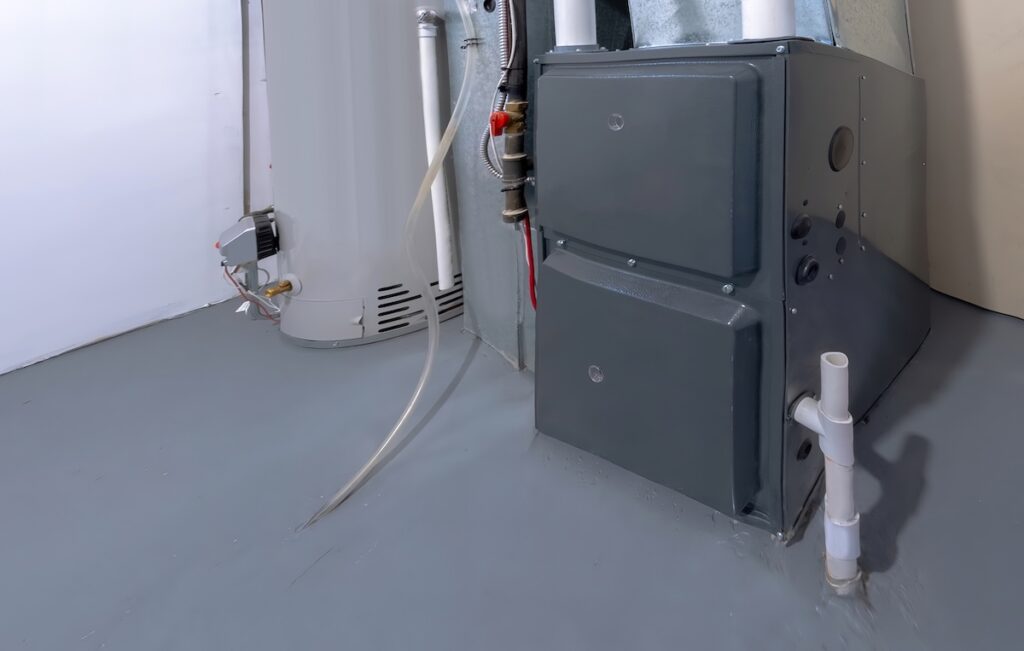
Trust Lorenz for Expert Gas Furnace Repair
Your furnace is the heart of your home’s comfort system, and recognizing the warning signs early helps prevent major problems down the road. From flickering pilot lights to rising energy bills, addressing issues quickly protects your home’s safety and warmth.
At Lorenz Plumbing Heating & Air, our skilled technicians specialize in gas furnace repair, maintenance, and replacement. We diagnose problems accurately, perform reliable repairs, and help you keep your system running efficiently. Contact Lorenz today to schedule a furnace inspection and stay comfortable no matter how cold it gets outside.
Lorenz: Your Friends in Heating Plumbing & Air
Reach Out Today!
We’re here 24/7—send us a message and we’ll be in touch shortly.


