


Stay Safe & Comfortable When Using Gas Furnaces
When temperatures drop, homeowners rely on gas furnaces to stay warm without driving up energy costs. But along with comfort and efficiency, safety should always be a top priority. Each year, carbon monoxide (CO) poisoning causes more than 400 deaths in the U.S., along with roughly 20,000 emergency room visits and 4,000 hospitalizations. This colorless, odorless gas is produced whenever fuel such as gas, oil, or coal is burned — including by gas furnaces, stoves, fireplaces, grills, and even vehicles. Proper ventilation, recognizing warning signs of furnace issues, and understanding CO poisoning symptoms are essential for protecting your household. Installing CO detectors and scheduling routine professional maintenance are simple steps that significantly reduce the risk.
In this post you’ll learn:
- Why safety matters with gas furnaces: Learn the key hazards (like carbon monoxide risks) and how to keep your home and family protected.
- How to spot furnace issues early: Understand common warning signs of problems so you can prevent breakdowns and costly repairs.
- Maintenance and professional care tips: Find out what routine upkeep (DIY and professional) keeps your furnace running efficiently and comfortably all season.
Signs of Gas Furnace Problems
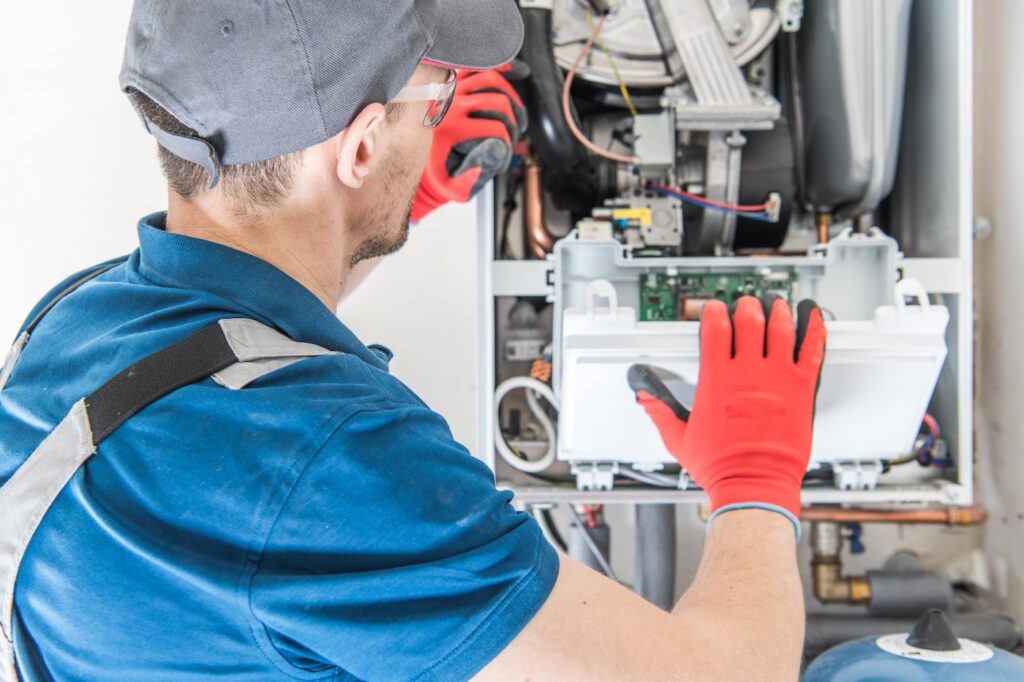
Not every problem with your furnace will mean you have a CO leak. However, learning to recognize and fix small problems early goes a long way toward preventing safety hazards from cropping up in the future. It’s also important for helping your system run more smoothly, so you can stay comfortable all winter long without paying more than you have to. For starters, the older your furnace gets, the less efficiently it will run.
If your system is more than 10 years old, you may need to have it maintenanced more frequently, and eventually, a replacement will be the best option. Other things to watch out for are unexplained spikes in your energy bills or a sudden need for more frequent repairs. For many of these issues, there may be simple fixes that you can do on your own. If you can’t determine the cause of the problem, or you’re unable to correct it yourself, that’s when it’s time to call a professional HVAC technician.
- Little or no heat: If you don’t have enough heat to stay comfortable, check to be sure the heat registers are open, that the thermostat is set at the right temperature, and that your furnace is connected to a power source. If you’re still not getting enough heat after accounting for these items, have your system checked by a pro.
- System frequently cutting on and off: Also known as “short cycling,” this often means your system isn’t running as efficiently as it should be. Common culprits include a faulty fan motor or dirt and debris clogging system components. If you’re unsure, have it checked.
- Blower running constantly: First, make sure your thermostat is set to “auto” instead of the “fan” setting. The latter will always cause the blower to run continuously. When you select “auto,” your furnace should shut off on its own when the desired temperature is reached. If it fails to shut off, this could mean the switch isn’t working properly and should be repaired or replaced.
- Strange noises: If it suddenly sounds like your house is haunted, check your furnace. Tell-tale trouble signs include banging when turning on and off, high-pitched squealing noises, and low-pitched humming while operating. Simple fixes to try include changing the filter or oiling the blower motor. If these steps don’t quiet things down, call a technician.
- Pilot light going out or failure to ignite: Things that could cause the pilot light to go out include a strong draft, dirty components, or a faulty thermocouple. Try relighting the pilot light or replacing the thermocouple. Contact a technician if the problem persists.
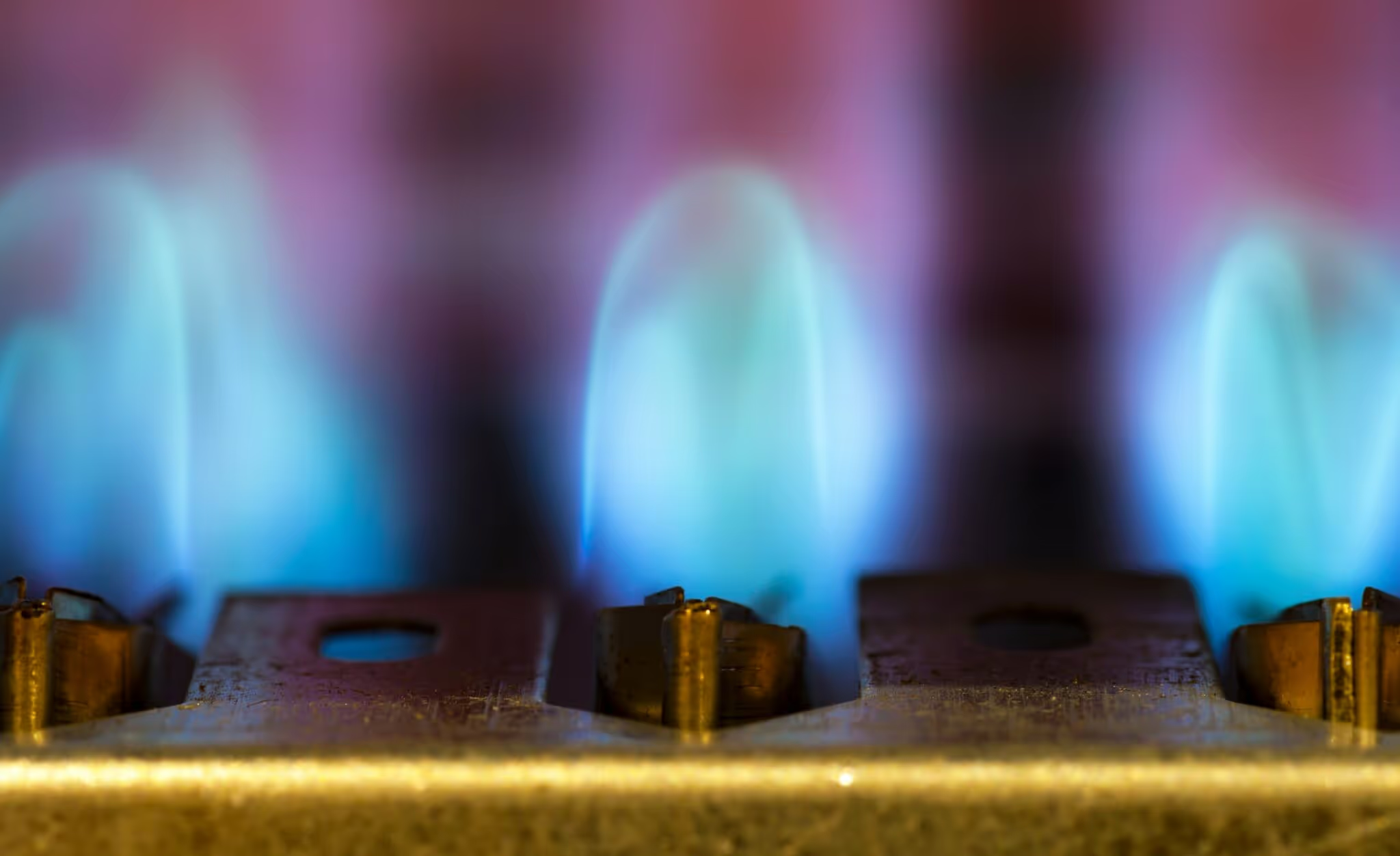
- Flame burning the wrong color: You want your pilot light to burn with a blue-ish flame, which indicates that your system is operating efficiently. A yellow flame means the gas isn’t burning off completely, either because it’s dirty or because of a system malfunction. It may also be a sign that carbon monoxide isn’t being vented properly.
- Rusting: Fluid leaking from plumbing lines or the roof causes corrosion, which interferes with safe, efficient operation. Contact a technician for recommended repairs or replacement.
- Moisture buildup: Are you noticing unexplained moisture appearing on ceilings, walls or windows? One possible reason could be poor airflow caused by problems with your ductwork.
- Cold spots: A well-functioning furnace should keep your home at a constant temperature throughout the house. If some rooms are noticeably colder than others, have your system checked out to make sure the air is circulating properly.
Other warning signs to look for include water leaking and puddling near your furnace, and animal droppings and other evidence of pests.
Signs of a Carbon Monoxide Leak
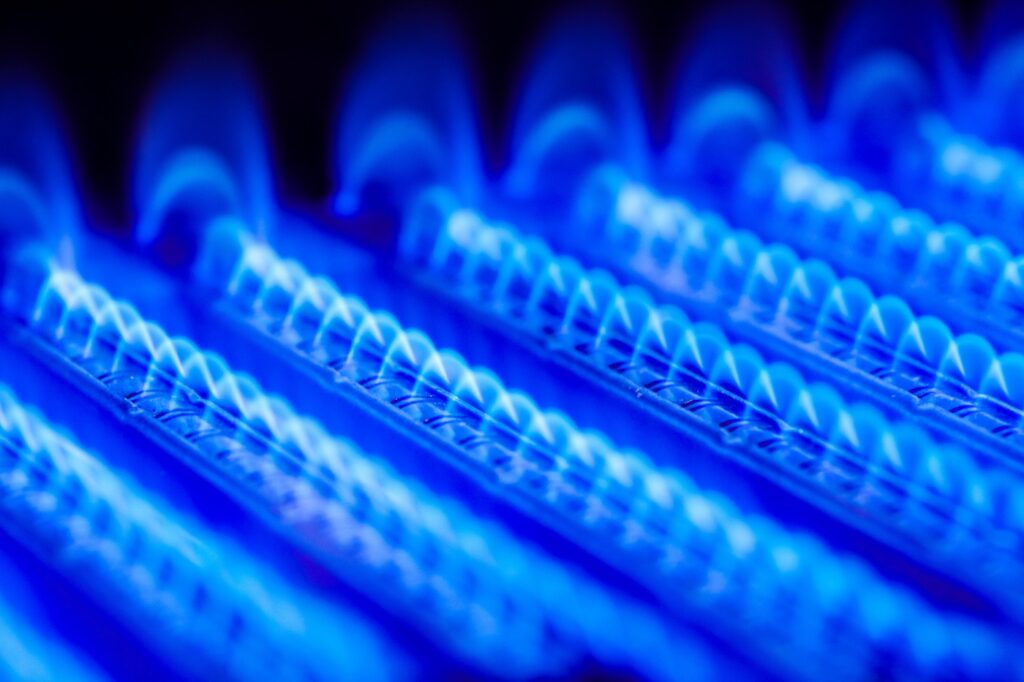
As noted above, not all problems with your furnace automatically mean there’s a CO leak. However, there are several signs that do warrant further investigation in order to keep you and your family safe. For example, a yellow flame coming from the furnace or other gas appliance may mean carbon monoxide isn’t being properly vented to the outside. A rusted flue or other components can also hamper ventilation and allow CO to build up inside your home. Here are a few other signs you’ll want to take note of:
- Unexplained odors such as gas or smoke
- Blackened soot marks or brownish stains on or near gas fires, gas flame covers, boilers, or stoves
- Heavy condensation appearing near a furnace or other gas appliance
- Solid fuel fireplaces, such as those that burn wood, are burning more slowly than usual
Symptoms of Carbon Monoxide Poisoning
While everyone is at risk of CO poisoning, some individuals are more susceptible than others. These include people with heart disease, anemia or respiratory conditions. Infants and seniors are also at greater risk. The symptoms of CO poisoning are often similar to other illnesses, so you’ll want to seek medical attention if you’re unsure. If CO is the culprit, you may notice that symptoms disappear or improve when you’re away from home, or get worse when you’re near gas-burning equipment.
- Headache
- Dizziness
- Weakness or fatigue
- Upset stomach, nausea or vomiting
- Chest pains
- Shortness of breath
- Confusion
- Loss of consciousness
- Death
It’s also important to remember that pets can be harmed by CO poisoning, so if your furry friends are showing signs of distress, it could indicate a leak.
Preventing Carbon Monoxide Leaks & Other Issues
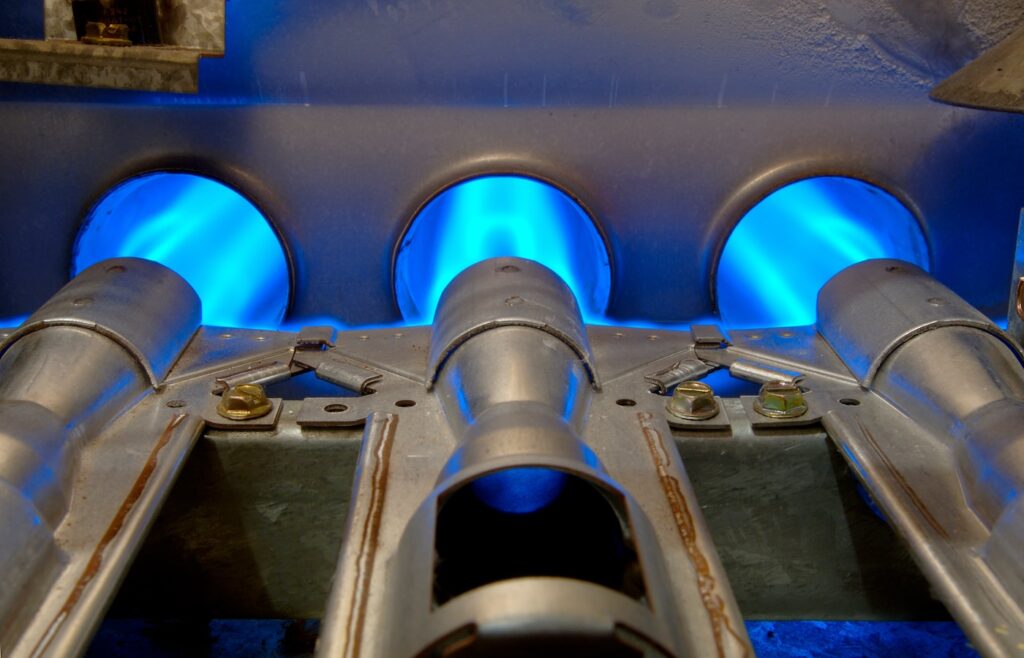
First and foremost, have your furnace inspected and serviced at regular intervals. This enables you to detect and fix problems before they become a safety hazard. Your technician will check for small cracks, clogs, and other issues that could allow CO to leak into your home. Here are a few other smart moves you can make to reduce the risk of CO exposure:
| Category | Safety Recommendations |
|---|---|
| Carbon Monoxide Prevention | Install CO detectors in your home. Never use portable flameless chemical heaters or portable gas camping stoves indoors. Never use a gas stove or oven to heat your home. Never burn charcoal indoors. Never use a generator indoors or within 20 feet of an exterior window, door, or vent. |
| Furnace Maintenance & Operation | Change your furnace filter regularly. Never operate the furnace without the front panel door securely in place. Never close more than 20% of the vents in your home. Vacuum HVAC registers regularly to maintain proper airflow. |
| Fire Prevention | Keep all flammable materials away from your furnace (including paint thinner or gasoline containers). |
| Professional Inspection & Testing | Make sure all gas equipment has been tested by a reputable agency such as Underwriters Laboratories. Have your chimney inspected and cleaned once a year. |
Stay Safe & Protected with Proper Gas Furnace Care
This risk from CO poisoning is real, but the good news is that there are things you can do about it. By operating your furnace safely and recognizing the warning signs, you can stay safe and comfortable all season long. At Lorenz Plumbing, Heating & Air Conditioning, our technicians provide quick repairs and ongoing preventive maintenance to keep your furnace running smoothly. Give us a call at 417-863-1122 or contact us online at any time.
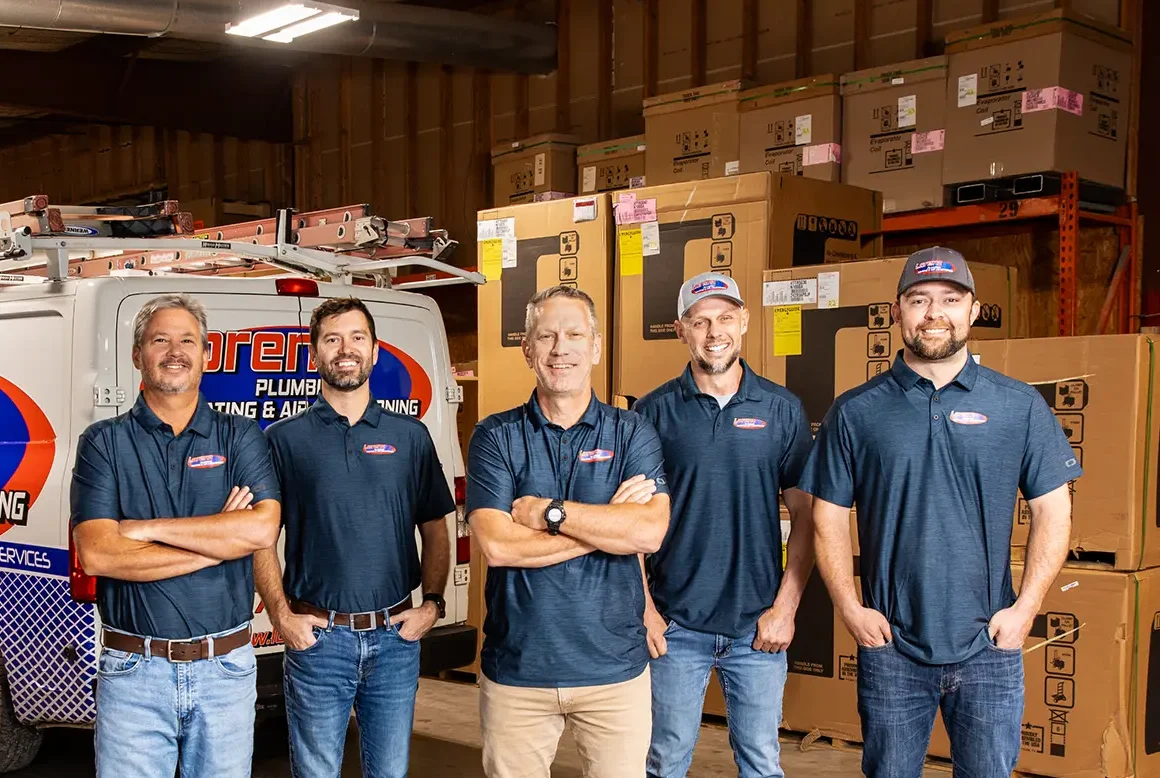
Lorenz: Your Friends in Heating Plumbing & Air
Reach Out Today!
We’re here 24/7—send us a message and we’ll be in touch shortly.


