



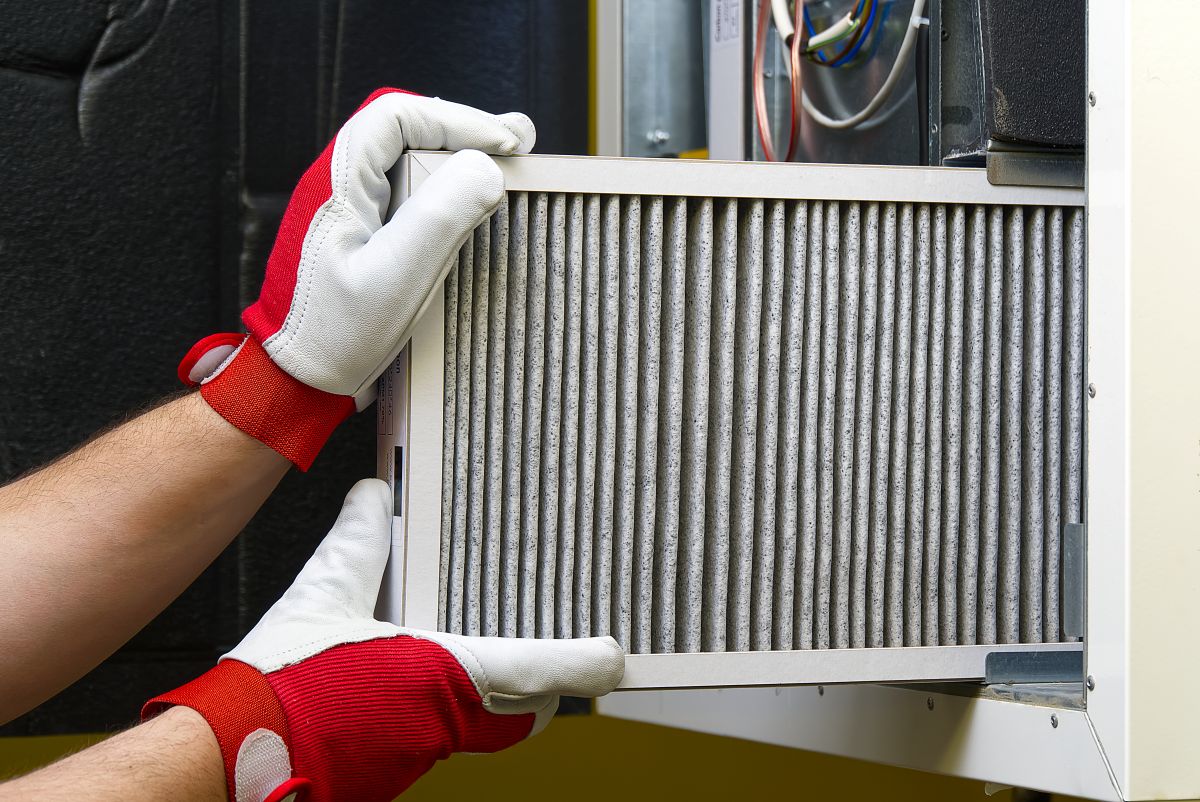
How Often To Change Air Filter?
Homeowners often wonder how often to change air filter components in their HVAC system, and the answer depends on several key factors. Your air filter plays a crucial role in keeping your heating and cooling system clean, efficient, and long-lasting. Changing it regularly not only improves air quality but also prevents system strain and costly repairs.
- Cleaner indoor air: Filters trap dust, pollen, and allergens to keep your home healthier.
- Energy efficiency: A clean filter allows for better airflow and reduces energy consumption.
- Longer equipment life: Regular filter changes prevent dust buildup on coils and fans.
Why Air Filters Are So Important
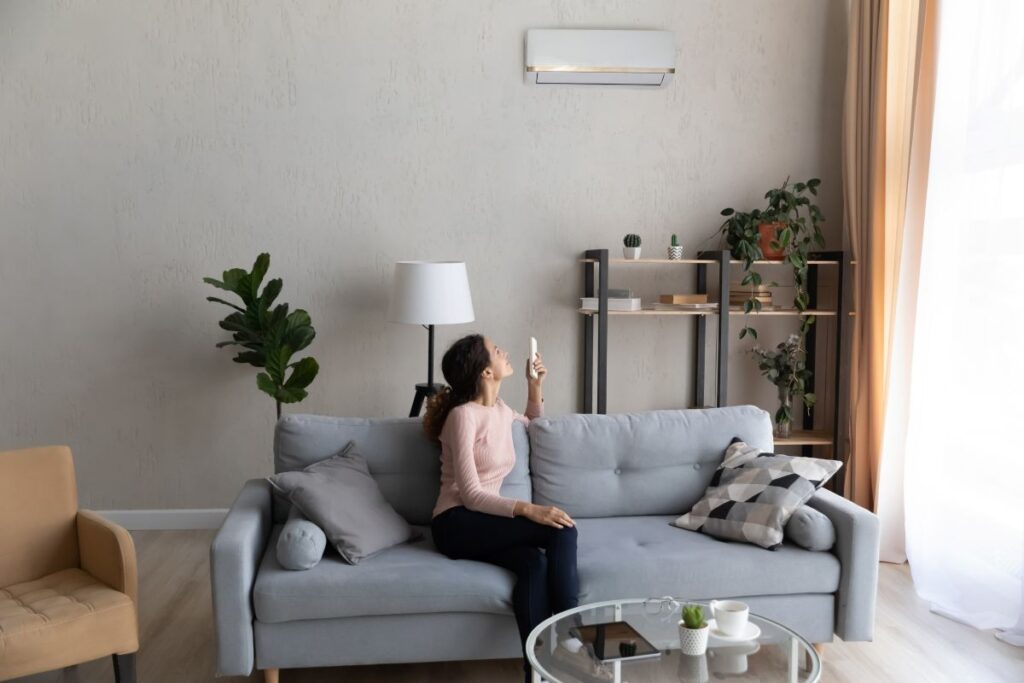
Your HVAC system’s air filter does much more than you might think. It acts as the first line of defense against airborne particles, pet dander, and debris that would otherwise circulate throughout your home. When the filter becomes clogged, your system has to work harder to move air, which can cause overheating, higher energy bills, and even mechanical breakdowns.
Regularly replacing your air filter helps maintain a comfortable, efficient home environment. It also supports better indoor air quality, which is especially important for families with allergies, asthma, or pets.
How Often To Change Air Filter
While most experts recommend changing your air filter every 1–3 months, several factors influence the ideal schedule. These include the type of filter you use, your household size, whether you have pets, and the overall air quality in your area.
To simplify, think ofair filter replacement as routine maintenance—just like changing the oil in your car. Doing it on time keeps everything running smoothly and prevents long-term problems.
General Guidelines for Filter Replacement
- Every 30 days: For homes with multiple pets, allergy sufferers, or poor outdoor air quality.
- Every 60 days: For single-pet households or moderate use.
- Every 90 days: For smaller households without pets or allergies.
- Seasonally: Change the filter at the start of each heating and cooling season for balanced performance.
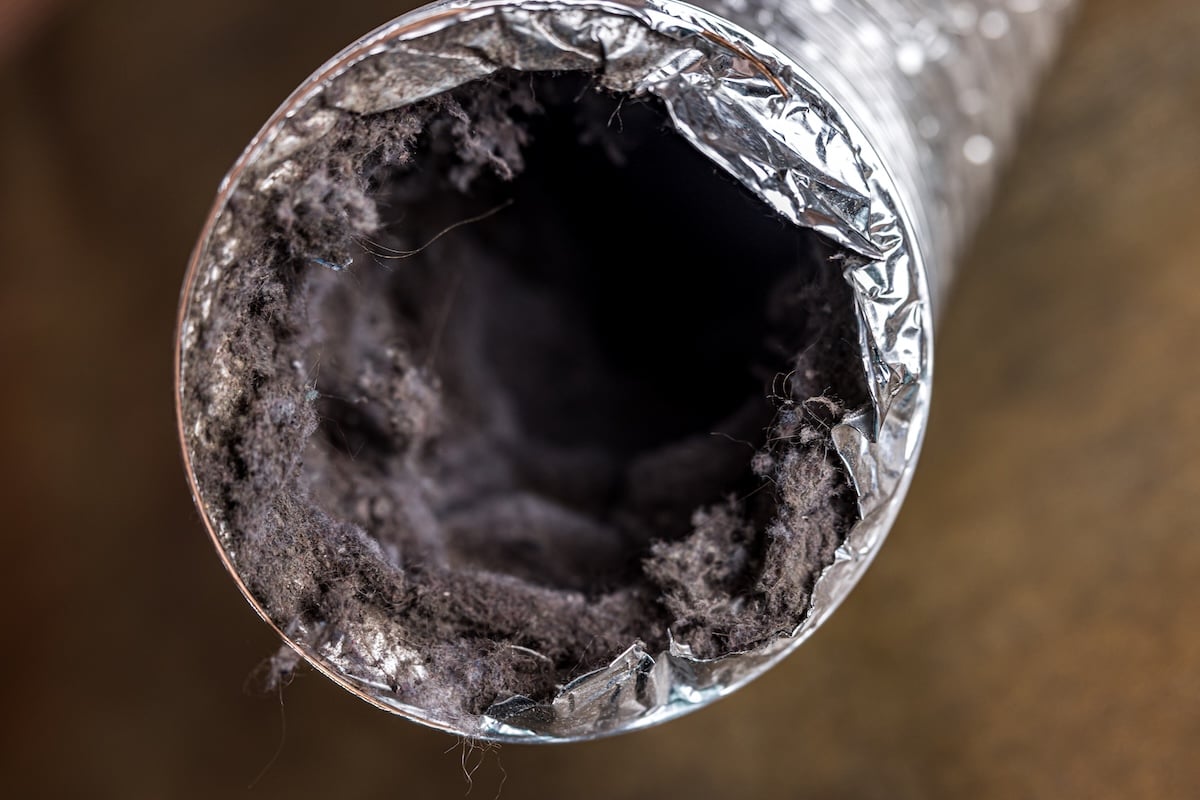
If you’re unsure, check your filter once a month. If it looks gray, dusty, or clogged, it’s time to replace it.
4 Factors That Affect Air Filter Lifespan
No two homes are the same. The frequency with which you should replace your filter depends on your unique lifestyle and environment.
1. Type of Filter
Different filters are built for different purposes, and their lifespans vary.
- Fiberglass filters: Inexpensive but short-lived, usually replaced every 30 days.
- Pleated filters: Offer better filtration and last about 60–90 days.
- High-efficiency (HEPA) filters: Capture microscopic particles but may require changes every 6 months with regular inspections.
- Reusable filters: Must be cleaned monthly to prevent buildup and maintain airflow.
2. Pets and Allergies
If you have pets, their hair and dander can quickly clog your filter. Likewise, households with allergy sufferers should change filters more often to reduce irritants.
- Multiple pets: Replace filters every 30 days to maintain clean, breathable air.
- Single pet: Every 45–60 days is usually sufficient.
- Allergy-sensitive households: Choose filters with higher MERV ratings (10–13) for maximum air quality improvement.
3. Household Size and Occupancy
The more people living in your home, the faster your filter will clog with dust, skin cells, and household debris. Larger families or frequent guests often require more frequent filter changes.
- Small households: Filters last closer to 90 days.
- Larger families: Every 30–60 days is recommended.
- Vacation homes: Filters can often last up to 6 months due to infrequent use.
4. Air Quality and Location
Springfield homeowners know that pollen, dust, and humidity can fluctuate throughout the year. Seasonal conditions can affect how quickly your filter fills up.
- Dusty or rural areas: Filters may need changing every 30–45 days.
- Urban environments: Airborne pollutants can shorten filter life.
- Construction zones: Homes near roadwork or new developments should check filters monthly.
Signs Your Air Filter Needs to Be Replaced
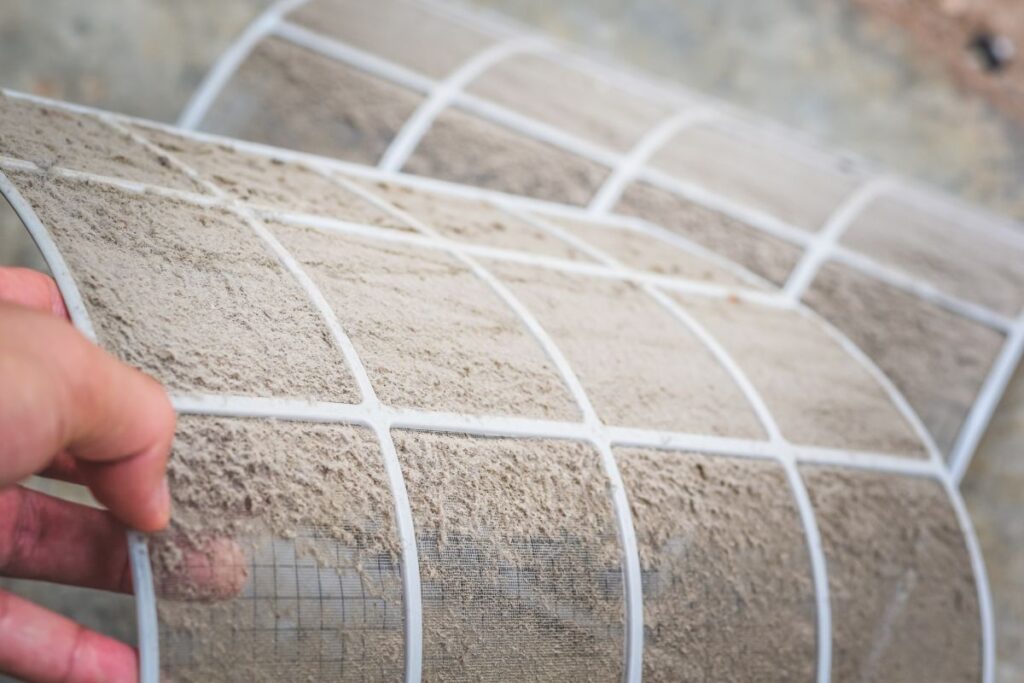
Even with a general schedule, sometimes your system will show signs that your air filter is overdue for replacement. Paying attention to these warning signs can prevent damage and restore airflow quickly.
- Reduced airflow: Weak air coming from vents usually indicates a clogged filter.
- Dust buildup: Excess dust on furniture or surfaces points to poor filtration.
- Increased energy bills: A struggling system consumes more electricity to maintain temperatures.
- Allergy flare-ups: Sneezing, congestion, or itchy eyes can worsen with dirty filters.
- Longer heating or cooling cycles: The system takes longer to reach the desired temperature.
If any of these signs appear, check and replace your filter right away—even if it hasn’t been a full month since the last change.
Benefits of Changing Air Filters Regularly
Replacing air filters is one of the simplest and most effective ways to improve home comfort and system performance. It’s also one of the least expensive forms of HVAC maintenance.
- Improved air quality: Reduces dust, allergens, and airborne bacteria.
- Better efficiency: Keeps your system from working harder than necessary.
- Fewer repairs: Prevents dirt buildup on coils and motors, extending component life.
- Consistent comfort: Maintains even airflow and temperature throughout your home.
- Lower energy costs: Clean filters can reduce energy use by up to 15%.
How To Replace Your Air Filter
Changing your air filter is a simple task that most homeowners can handle. Always check your owner’s manual for specific instructions based on your HVAC model.
Step-by-Step Replacement Guide
- Turn off your system: Safety first—always shut down your furnace or AC before handling filters.
- Locate the filter: Usually found in a return air duct, blower compartment, or air handler.
- Remove the old filter: Note the direction of airflow arrows on the frame.
- Inspect the old filter: If it’s dark or covered in debris, replacement is overdue.
- Insert the new filter: Ensure arrows point in the correct airflow direction.
- Turn the system back on: Check for normal airflow and note the installation date for your next change.
Quick Tips for Filter Maintenance
- Set reminders: Mark replacement dates on your calendar or phone.
- Stock up: Keep spare filters on hand so you can replace them as needed.
- Choose quality: Invest in filters with higher MERV ratings for better protection.
How Lorenz Can Help Maintain Your HVAC System

Even though changing filters is simple, many homeowners forget or don’t realize how often it should be done. During regular maintenance visits, Lorenz Plumbing Heating & Air technicians check, replace, and properly fit your air filters as part of a complete system tune-up.
- Comprehensive care: We inspect your HVAC system for efficiency and safety.
- Professional recommendations: Our experts suggest the right filter type for your specific system and lifestyle.
- Preventive maintenance: Regular service helps catch small issues before they lead to costly repairs.
- Reliable service: Locally trusted in Springfield for professional HVAC solutions since day one.
Trust Lorenz for Better Air Quality and Performance
Understanding how often to change air filter components is essential to keeping your HVAC system efficient and your home’s air clean. Simple maintenance like replacing filters on time can drastically improve performance, reduce costs, and extend the life of your heating and cooling system.
At Lorenz Plumbing Heating & Air, we make it easy to stay on schedule. Our technicians provide expert maintenance, filter replacements, and system tune-ups designed to keep Springfield homes running comfortably year-round. Contact Lorenz today to schedule your HVAC maintenance and breathe easier knowing your system is in expert hands.


Lorenz: Your Friends in Heating Plumbing & Air
Reach Out Today!
We’re here 24/7—send us a message and we’ll be in touch shortly.


