



How To Clean Air Ducts? (8 Expert Tips)
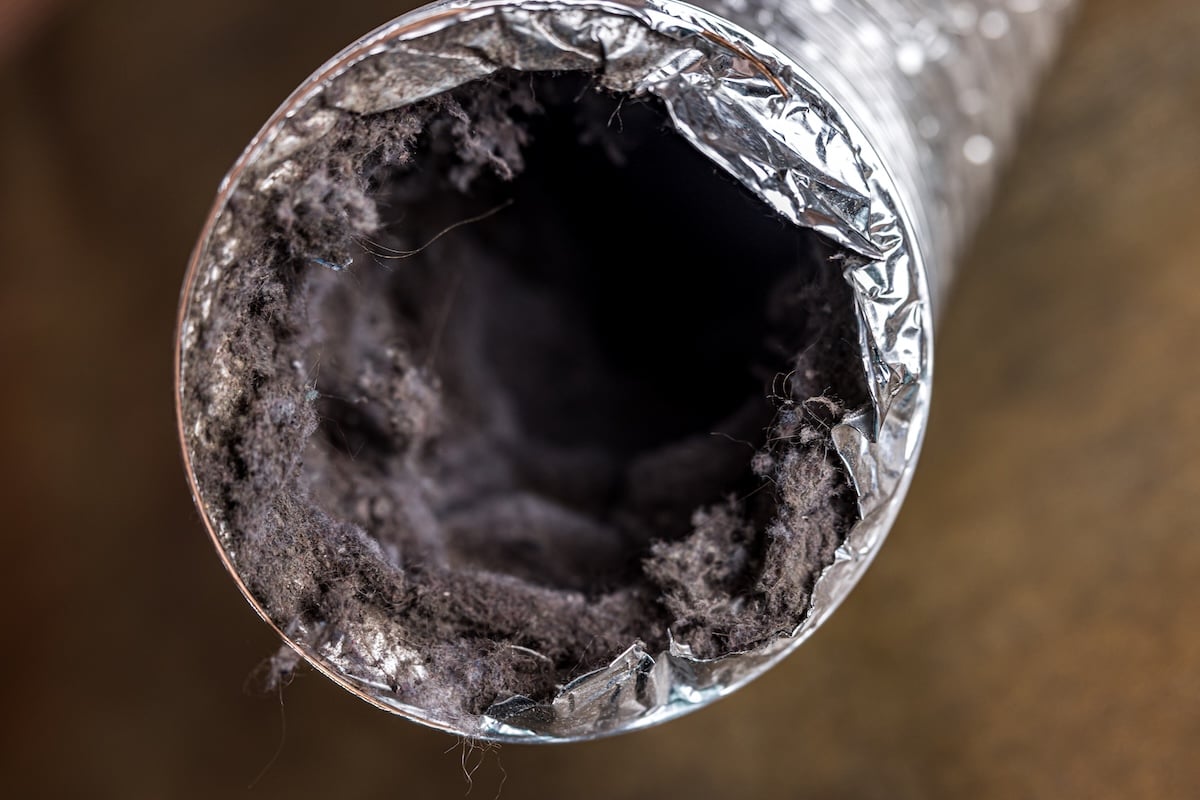
If you’ve ever wondered how to clean air ducts safely and effectively, you’re not alone. Dust, debris, and allergens naturally build up in ductwork over time, affecting indoor air quality and HVAC efficiency. Learning how to clean air ducts the right way can make your system run more smoothly and keep the air in your home fresher year-round.
- Cleaner air: Removing dust and debris reduces allergens and improves indoor air quality.
- Greater efficiency: Clean ducts allow for smoother airflow and reduced energy use.
- Longer system life: Keeping your ducts clean prevents strain on your HVAC components.
Why Cleaning Air Ducts Matters
Your air ducts act as the circulation system for your home’s air. When they’re clogged with dirt, dust, or pet hair, your HVAC system has to work harder to push air through. Over time, this extra strain can cause mechanical issues and higher utility bills.
Keeping ducts clean also helps your home feel fresher, reduces dust on surfaces, and supports better health for allergy or asthma sufferers. Professional duct cleaning removes buildup deep inside your system, while light maintenance between cleanings helps preserve those results.
Signs Your Air Ducts Need Cleaning
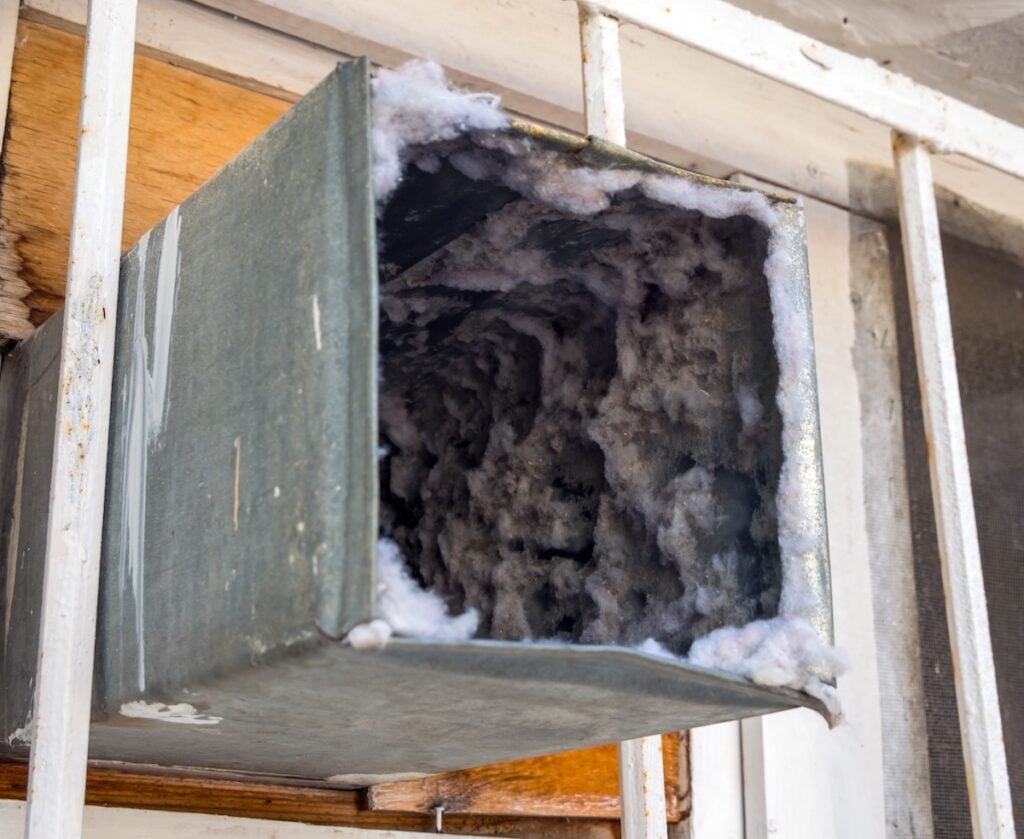
Before diving into cleaning, it’s important to know when it’s time to act. Ignoring the warning signs allows buildup to worsen and reduces your system’s efficiency.
- Dusty surfaces: If you notice a film of dust returning shortly after cleaning, your ducts may be spreading it.
- Musty odors: Persistent smells when your HVAC system runs often indicate trapped debris or moisture.
- Weak airflow: Buildup inside the ducts can restrict air movement, making rooms feel unevenly heated or cooled.
- Allergy symptoms: Sneezing, coughing, or itchy eyes can worsen when duct dust circulates through the air.
- Visible debris: Dust or dirt blowing out of vents means it’s time for a thorough cleaning.
8 Expert Tips: How To Clean Air Ducts
Cleaning ducts can be straightforward if you know what to do. While deep cleaning requires professional tools, these expert tips help homeowners maintain fresher air between visits.
1. Turn Off the HVAC System
Before doing any cleaning, switch off your heating and cooling system. This prevents dust from circulating while you work and keeps you safe around moving parts.
- Safety first: Never clean vents while the blower fan is on.
- Energy savings: Turning the system off prevents unnecessary power use during cleaning.
2. Remove and Clean Vent Covers
Unscrew and remove all vent covers or grilles from walls, floors, or ceilings. Wash them in warm, soapy water and let them dry completely before reinstalling.
- Deep clean: Use a soft brush to scrub away grime, grease, or buildup.
- Check for damage: Look for rust or dents that could restrict airflow and replace covers if needed.
3. Vacuum Inside the Duct Openings
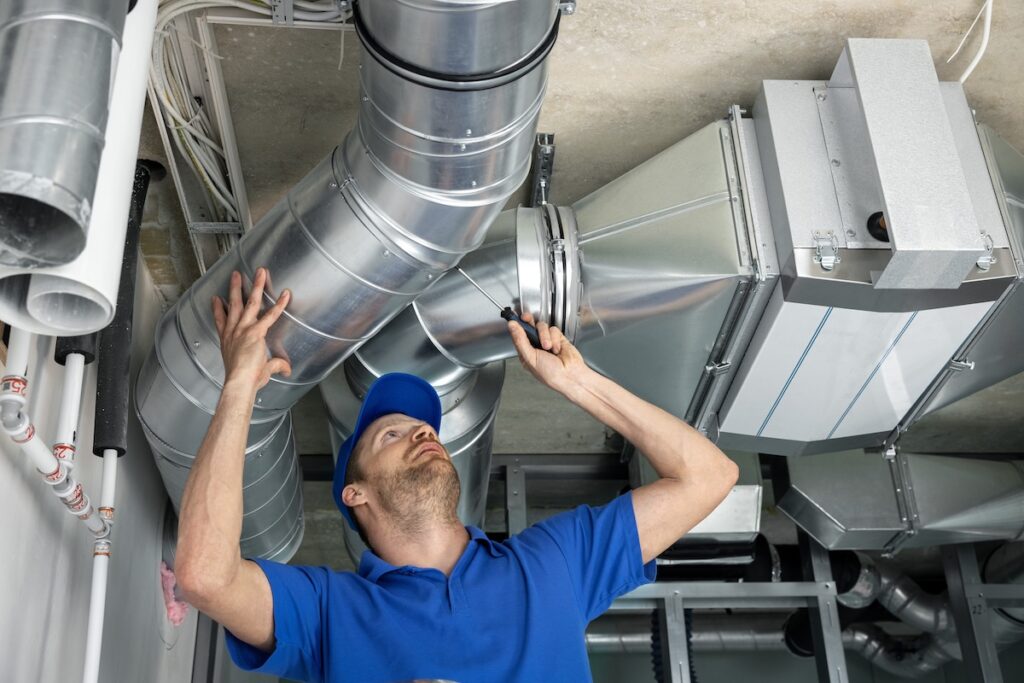
Using a household vacuum with a hose and brush attachment, carefully clean as far inside each duct as you can reach. Focus on visible debris and dust near openings.
- Tip: Cover nearby furniture and floors to prevent dust from spreading.
- Bonus: Wipe the area around each opening with a damp cloth for a cleaner finish.
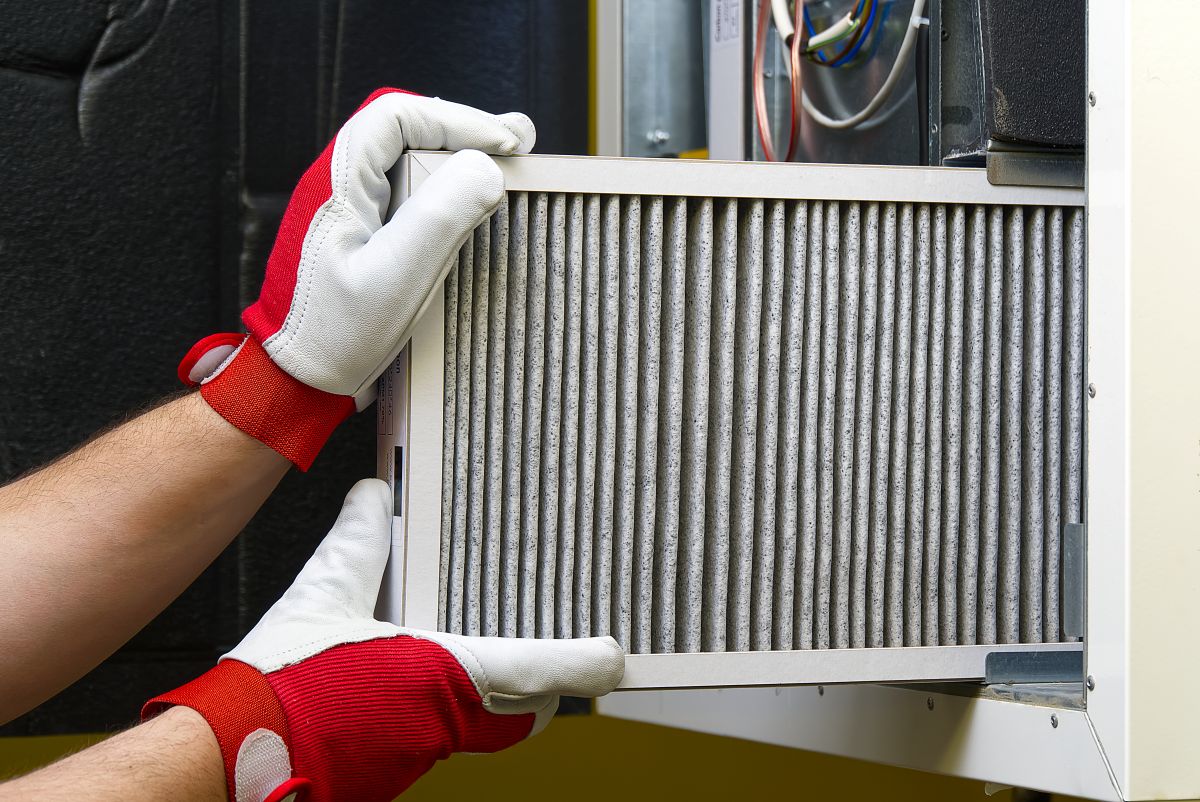
4. Change the Air Filter
Your HVAC filter is your first line of defense against dust buildup. Replacing it regularly helps reduce contaminants that end up in your ductwork.
- Frequency: Change filters every 1–3 months depending on pets and household activity.
- Upgrade option: Choose filters with MERV 8–13 ratings for better air purification.
- Maintenance benefit: A clean filter keeps airflow strong and protects other system parts.
Beyond keeping your system running smoothly, maintaining a schedule for this simple task prevents a cascade of mechanical failures. Failing to keep up with replacements can lead to restricted airflow, frozen evaporator coils, and even complete compressor failure. To truly understand the risks of neglect, it is important to know what happens if you don’t change your air filter over an extended period. By staying proactive, you avoid these preventable repairs and ensure your indoor air quality remains high year-round.
5. Clean the Blower and Return Air Vents
These vents handle large amounts of air and tend to collect significant dust. Wipe them down with a microfiber cloth or use your vacuum’s brush attachment.
- Target return vents: These usually pull in the most dust and debris.
- Inspect for buildup: If you see dirt deep inside the blower compartment, professional service may be necessary.
6. Use a Brush for Hard-to-Reach Spots
For duct sections your vacuum can’t reach, use a long-handled brush or flexible cleaning tool. Be gentle to avoid damaging the metal or flexible duct lining.
- Loosen dirt carefully: Move the brush slowly to dislodge debris.
- Avoid chemicals: Harsh cleaners can corrode duct materials—stick to dry brushing.
7. Seal and Insulate Ducts
After cleaning, check for air leaks or gaps in your ductwork. Sealing them not only improves airflow but also prevents future dust entry.
- Sealant types: Use foil tape or mastic sealant for reliable, long-lasting coverage.
- Insulation upgrade: Adding insulation in attics or crawl spaces helps regulate temperature and reduce condensation.
8. Schedule Professional Cleaning
Even with great DIY maintenance, full duct cleaning should be done by trained professionals every few years. They have specialized tools to reach deep into your system and remove stubborn buildup.
- Professional equipment: High-powered vacuums and rotating brushes safely and thoroughly remove debris.
- Inspection benefits: Experts also check for leaks, mold, and damaged insulation during the process.
- Recommended frequency: Every 3–5 years for most homes, or more often if you have pets or allergies.
DIY vs Professional Air Duct Cleaning
Light cleaning around vents helps maintain air quality, but professional services provide a complete clean you can’t achieve at home. Experts use specialized vacuums and camera inspections to clean and inspect every part of your duct system safely.
- DIY cleaning: Great for surface dust removal and regular upkeep.
- Professional cleaning: Necessary for deep buildup, mold, or pest contamination.
- Added peace of mind: HVAC technicians can identify efficiency issues or leaks that might be costing you energy.

Preventing Future Buildup
Once your air ducts are clean, small maintenance habits will keep them in great shape. Consistent care minimizes allergens, improves comfort, and extends the life of your HVAC system.
- Replace filters on schedule: This prevents debris from entering your ducts in the first place.
- Dust and vacuum regularly: Less dust in your home means less dust entering the system.
- Keep vents open and unblocked: Closed vents create pressure that pushes dust into duct joints.
- Groom pets often: Reducing shedding keeps your home’s air cleaner.
- Use your HVAC fan periodically: Circulating air helps prevent stagnation and humidity buildup.
Trust Lorenz for Professional Air Duct Maintenance
Learning how to clean air ducts helps homeowners take control of their home’s air quality and HVAC performance. While these expert tips handle surface-level maintenance, professional cleaning ensures your ductwork is spotless and efficient from end to end.
At Lorenz Plumbing Heating & Air, our experienced technicians use advanced equipment to deliver thorough duct cleaning, air quality improvement, and system care. Contact Lorenz today to schedule your professional service and experience the comfort of cleaner, healthier air in your home.


Lorenz: Your Friends in Heating Plumbing & Air
Reach Out Today!
We’re here 24/7—send us a message and we’ll be in touch shortly.


