



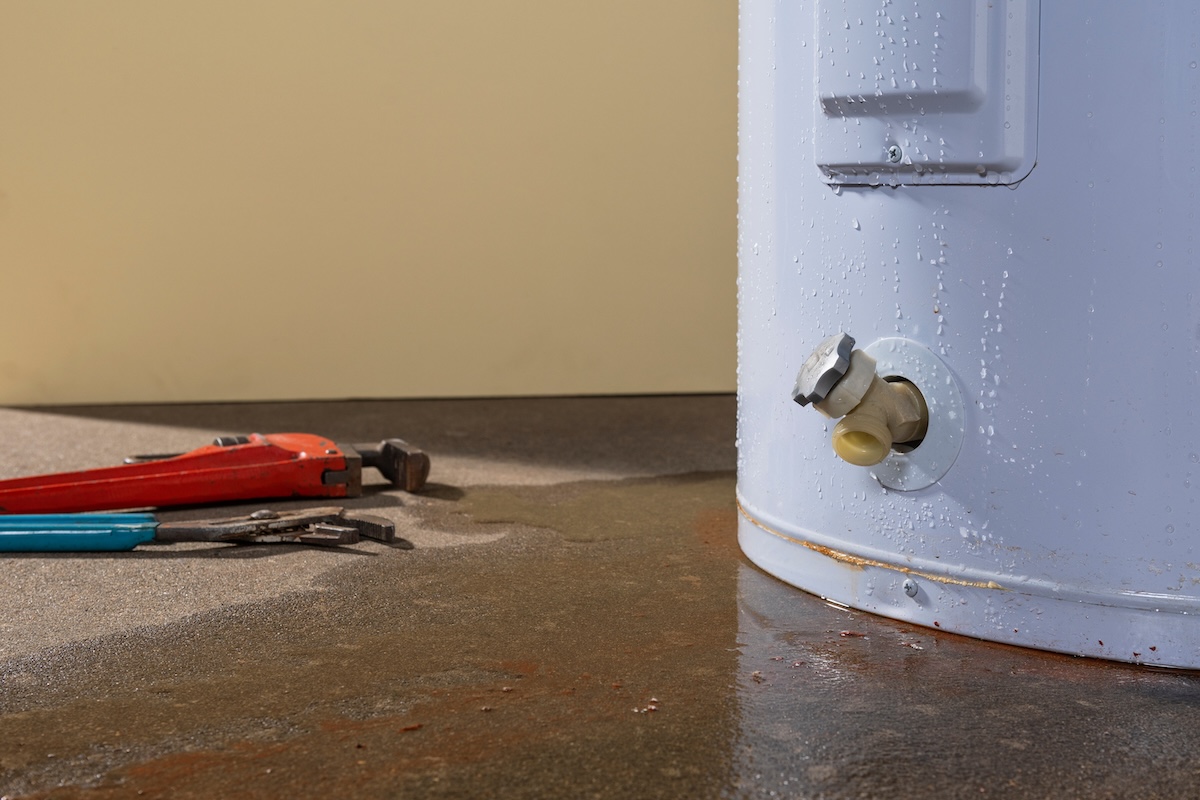
How To Drain A Water Heater In 7 Steps?
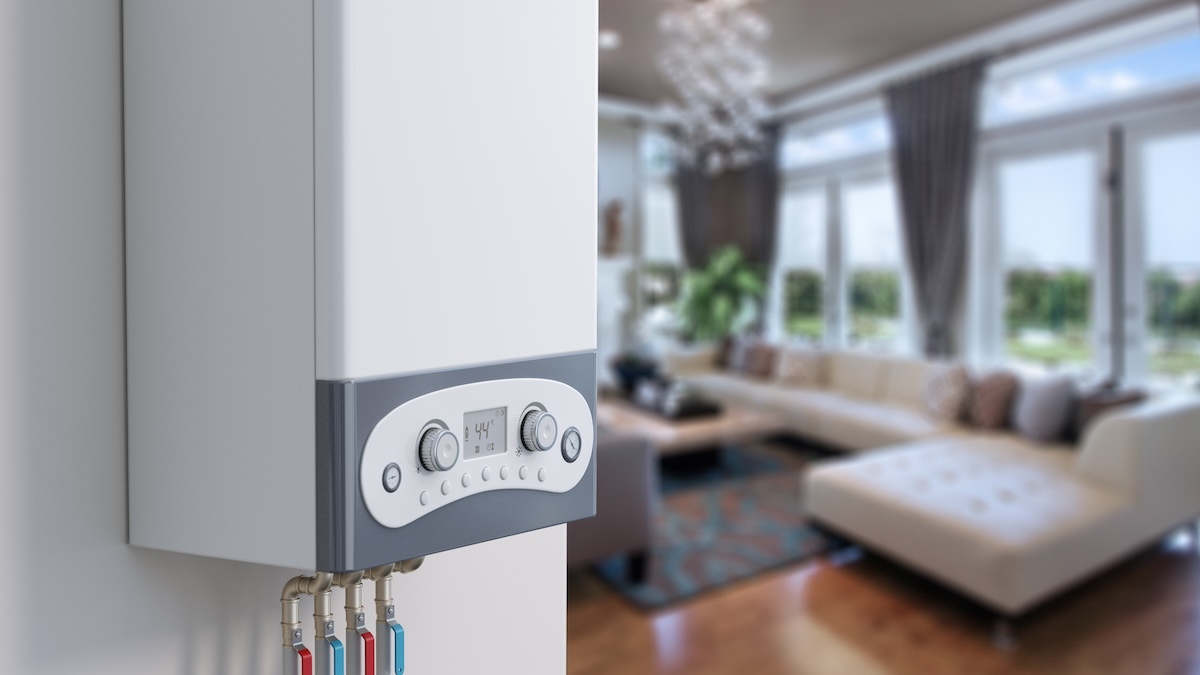
If you have ever wondered how to drain a water heater, you are not alone. This important home maintenance task helps extend the life of your system, improves efficiency, and can prevent costly problems later on. For Missouri homeowners, where water hardness is common and sediment builds up faster, draining a water heater is one of the best ways to keep your system reliable year after year. While the job might sound intimidating at first, it is surprisingly manageable once you understand the right process.
- Longevity: Flushing sediment regularly extends the lifespan of your water heater.
- Efficiency: A clean tank heats water more effectively, reducing energy costs.
- Prevention: Routine draining lowers the risk of leaks, clogs, and expensive repairs.
💧 Why Draining Your Water Heater Matters
A water heater is one of the hardest-working systems in your home, yet it is often the most overlooked. Over time, minerals in Missouri’s hard water settle inside the tank. This creates a layer of sediment at the bottom that forces the unit to work harder to heat water. The result is higher energy bills, slower heating times, and more wear on components. If ignored long enough, sediment can damage the tank lining, leading to leaks or even complete failure.
For homeowners across Springfield, Branson, and the surrounding Ozarks, regular draining is essential. It keeps your water heater running efficiently, helps maintain consistent water pressure, and ensures you have dependable hot water for daily routines like showers, laundry, and dishwashing.
🗓️ How Often Should You Drain Your Water Heater?
Most water heater manufacturers recommend draining the tank once every 12 months. However, Missouri’s naturally hard water can accelerate sediment buildup, which means many local homeowners benefit from draining their systems every six months instead. The frequency also depends on the type of water heater you own. Tankless water heaters are less prone to sediment buildup but still require maintenance to prevent scaling on heating elements. Taking the time to flush your tank regularly saves money on energy costs and helps you avoid early replacement.
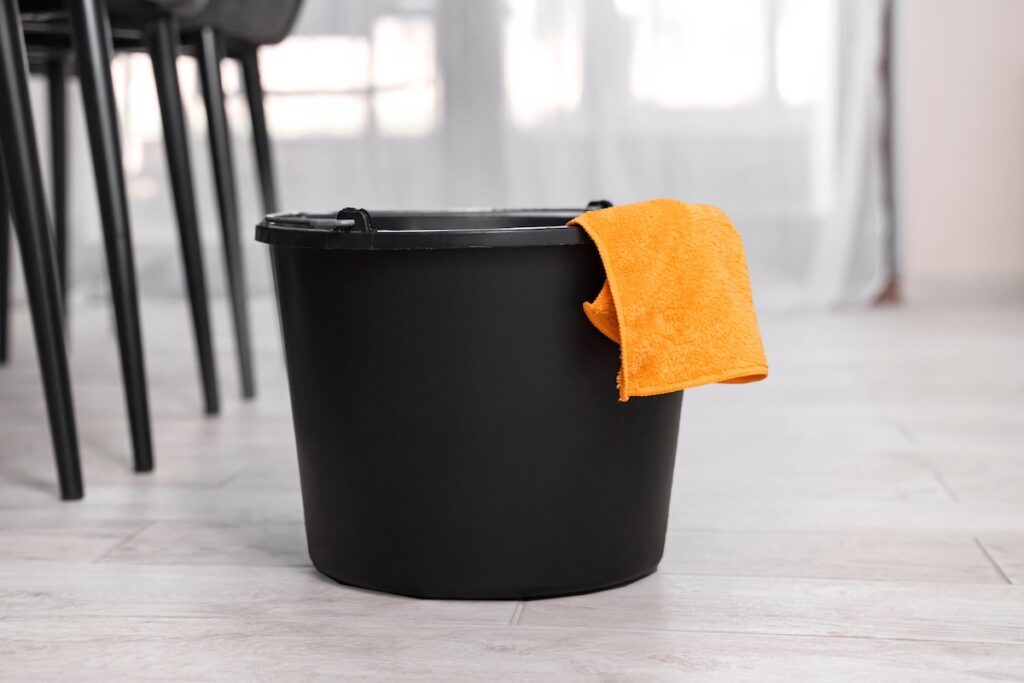
🪣 Tools You Will Need
Before starting the draining process, gather the right tools and equipment. This ensures that the process goes smoothly and safely.
- Garden hose: Directs the water from the tank to a drain or outdoor area.
- Bucket: Useful for catching residual water or monitoring sediment levels.
- Protective gloves: Keeps your hands safe from hot water and sharp edges.
- Flathead screwdriver: Commonly required to open the drain valve.
- Towels or rags: Helps clean up spills and keep the work area dry.
✅ 7 Steps To Drain Your Water Heater
Follow these seven steps to drain your water heater effectively and safely:
- Turn off the power: For electric heaters, shut off the breaker. For gas units, switch the thermostat to the pilot setting.
- Shut off the water supply: Close the cold water valve located at the top of the tank.
- Allow the tank to cool: Wait at least 30 minutes to reduce the risk of burns from hot water.
- Attach the hose: Connect your garden hose to the drain valve at the base of the tank and run the other end to a drain or safe outdoor area.
- Open the drain valve: Carefully open the valve with a screwdriver and allow the water to flow out. Expect cloudy water at first as sediment is flushed.
- Flush with fresh water: Briefly open the cold water supply while the drain valve is still open to push out any stubborn sediment.
- Close and restart: Shut the drain valve, disconnect the hose, reopen the water supply, and restore power to the unit.
❗️ Common Mistakes To Avoid
Even though draining a water heater is relatively straightforward, there are common mistakes that homeowners make that reduce its effectiveness.
- Skipping the cooldown: Hot water can cause serious burns and damage hoses if you rush the process.
- Forgetting to turn off power: Leaving the power on can burn out heating elements in electric units.
- Not flushing after draining: A final flush ensures hardened sediment is fully removed.
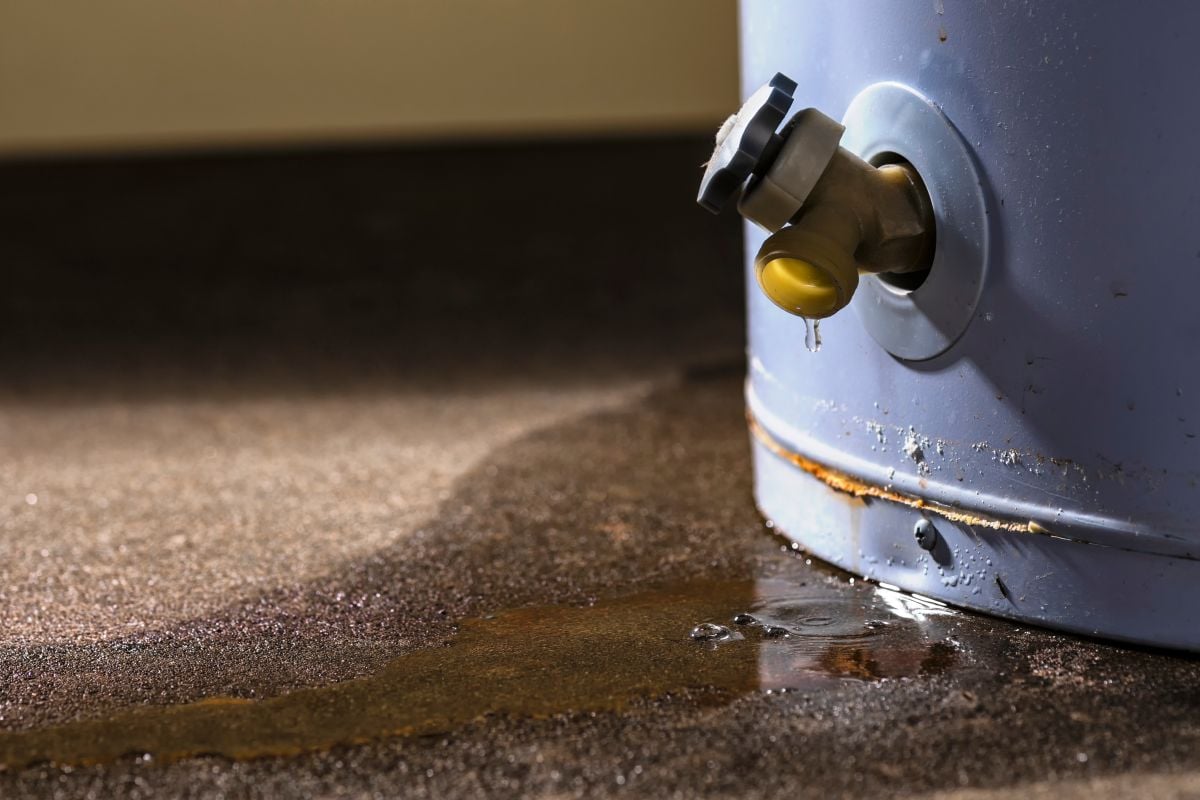
- Ignoring signs of leaks: If leaks appear during or after draining, contact a professional immediately.
👉 Tank vs. Tankless: Does the Process Change?
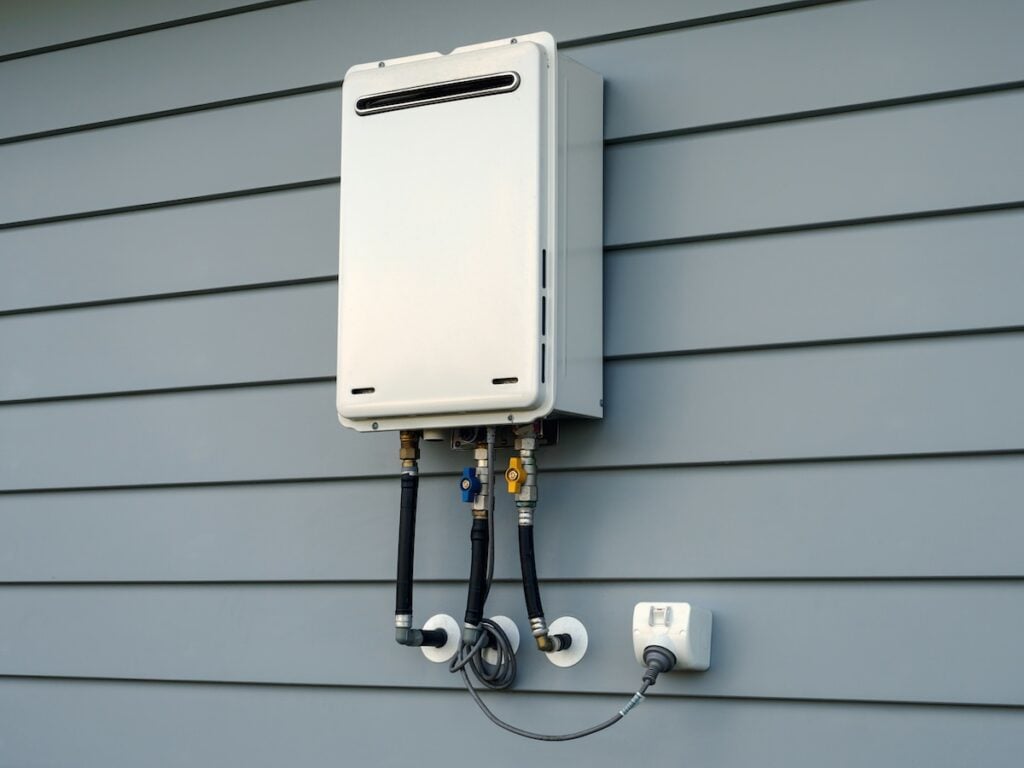
Traditional tank water heaters and modern tankless units both need maintenance, but the approach differs slightly. Tank systems require draining and flushing to remove sediment from the bottom of the tank. Tankless systems, on the other hand, must be flushed with a descaling solution to prevent mineral buildup inside the heat exchanger. Missouri homeowners who have invested in tankless systems may not need to drain water but still need annual professional maintenance to keep performance and efficiency high.
🔥 Gas vs. Electric Water Heaters
Another factor to consider is whether your system is powered by gas or electricity. Electric water heaters require you to switch off the breaker completely before draining, while gas water heaters need the thermostat set to the pilot position. Although the draining process itself is similar, safety precautions differ. Always double-check power settings before beginning, as this step protects both the unit and your safety.
| Type | Efficiency | Upfront Cost | Lifespan | Best For |
| Tank Water Heater | Moderate efficiency, loses heat over time as water sits in tank | Lower initial cost, more affordable installation | 10–15 years on average with proper maintenance | Homes with consistent hot water use and available space |
| Tankless Water Heater | High efficiency, heats water on demand with little standby loss | Higher upfront cost due to advanced technology | 20+ years with regular care and maintenance | Homes wanting endless hot water and energy savings |
| Gas Water Heater | Generally efficient, heats water faster than electric models | Moderate to high upfront cost, depends on venting | Similar to tank/tankless lifespan | Homes with access to natural gas and higher demand |
| Electric Water Heater | Lower upfront efficiency, but can be efficient in smaller households | Lower to moderate upfront cost, easier installation | Similar to tank/tankless lifespan | Homes without gas lines or with smaller water demands |
❄️ Seasonal Considerations in Springfield and Branson Missouri
Water heater draining is especially important in Springfield, Missouri and surrounding areas because of seasonal temperature changes. In the summer, heavy water use can accelerate sediment buildup. In the winter, when your system is under greater strain to deliver hot water during freezing conditions, a clean tank can make the difference between reliable service and an unexpected breakdown. Many homeowners find it easiest to schedule draining at the start of spring and again in the fall to prepare their system for the months ahead.
📞 Should You Drain It Yourself or Call a Pro?
Some homeowners in Springfield, Branson, and surrounding Ozark communities are comfortable performing this task on their own. However, many choose to call a professional for peace of mind. A trained technician not only drains the tank but also inspects for leaks, corrosion, or failing components that might go unnoticed. Professionals can also check the anode rod, temperature settings, and overall system performance. For busy households, scheduling a professional service ensures the job is done thoroughly and safely.

🤝 Why Missouri Homeowners Trust Lorenz
Learning how to drain a water heater is valuable knowledge, but you never have to handle it alone. At Lorenz Plumbing Heating & Air, our experienced technicians help Missouri homeowners keep their systems running efficiently through expert maintenance, dependable replacements, and honest advice. With over 40 years of service in Springfield, Branson, and the surrounding Ozarks, we are proud to be the neighbors you can trust. Contact Lorenz today to schedule professional water heater repair or replacement and enjoy the confidence that comes with a reliable, friendly team on your side.

Lorenz: Your Friends in Heating Plumbing & Air
Reach Out Today!
We’re here 24/7—send us a message and we’ll be in touch shortly.


