



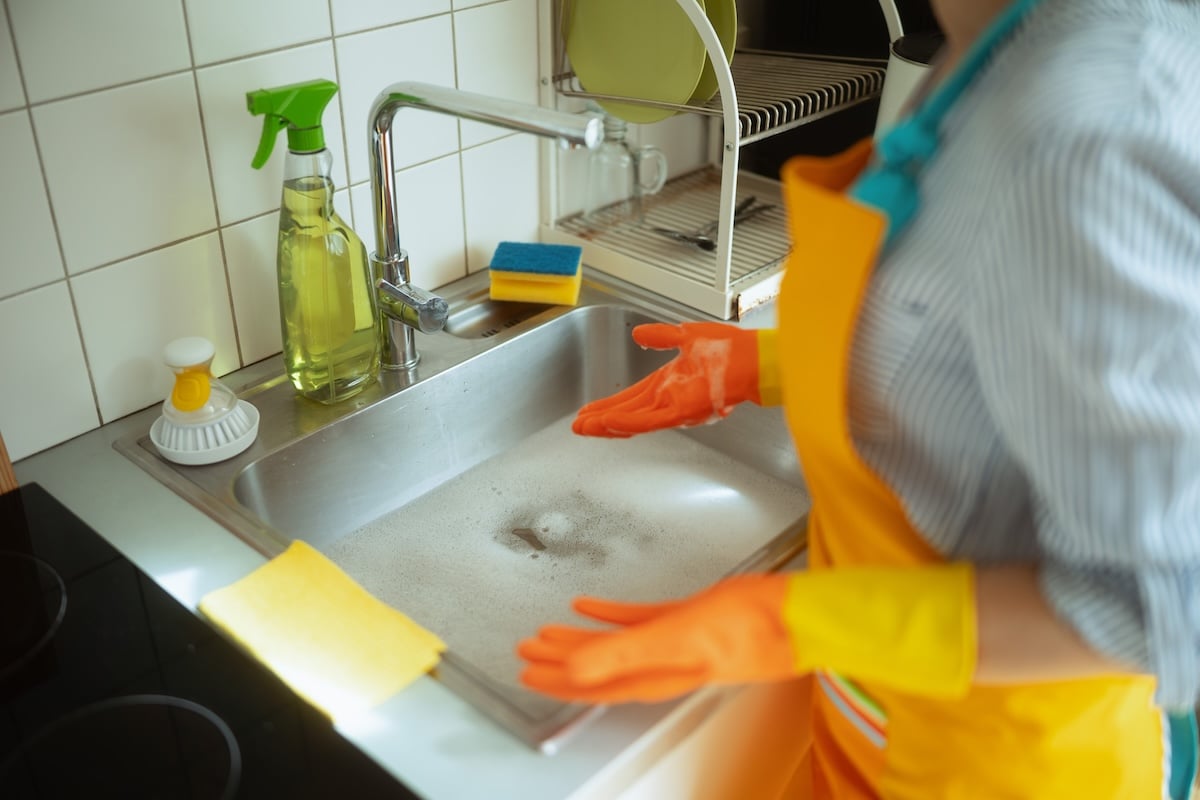
How To Unclog A Sink In 6 Steps
If you’ve ever wondered how to unclog a sink, you know it can be one of the most frustrating household problems. Whether it’s caused by grease, soap scum, or a buildup of hair, a clogged sink disrupts your routine and can even lead to unpleasa nt odors or water damage. Fortunately, with the right steps, you can often clear the blockage yourself before calling in an HVAC professional.
- Quick solutions: Many clogs can be handled with basic tools and a little patience.
- Prevention tips: Knowing what causes clogs helps you avoid repeat problems.
- Professional support: If DIY efforts don’t work, experts can safely restore your sink.
Why Sink Clogs Happen
Sink clogs are a common issue in both kitchens and bathrooms. In the kitchen, grease, food scraps, and soap residue can build up over time inside the pipes. In the bathroom, hair and personal care products are usually the main culprits. Even something as simple as toothpaste can harden and contribute to slow drainage when combined with other debris. No matter the cause, the result is the same: slow-draining water or a complete blockage that needs attention.
Warning Signs of a Developing Clog
Not all clogs happen overnight. Slow draining water, gurgling sounds, or unpleasant odors from the drain often signal a blockage is starting to form. Water backing up into the sink after use, or bubbling when another fixture (like the shower or dishwasher) drains, can also mean your sink’s pipes are under strain. Addressing these early signs can save you from a completely stopped-up sink later.
How To Unclog A Sink In 6 Steps
Here’s a straightforward process homeowners can try before reaching out for professional plumbing help.
- Boil water and pour it down the drain: Sometimes hot water alone can dissolve grease or soap buildup and restore normal flow. For kitchen sinks especially, grease solidifies inside pipes and boiling water helps melt and push it through. Be cautious if you have PVC pipes—use hot tap water instead of boiling to avoid potential damage.
- Use a plunger: A sink plunger, not a toilet plunger, works best here. Place it over the drain, create a tight seal, and plunge several times to loosen the clog. If you have a double sink, block the other side with a wet cloth to improve suction. This simple tool is often enough to dislodge shallow blockages.
- Check the stopper or strainer: In bathroom sinks especially, hair and soap scum often get tangled around the stopper. Remove and clean it thoroughly. For kitchen sinks, lift out the strainer basket and clean underneath. You might be surprised how much buildup can accumulate right at the drain opening.
- Try a baking soda and vinegar flush: Pour half a cup of baking soda followed by half a cup of vinegar down the drain. Wait 15 minutes, then flush with hot water. The fizzing action helps break down grime, and it’s a safe, eco-friendly alternative to chemical drain cleaners, which can damage pipes over time.
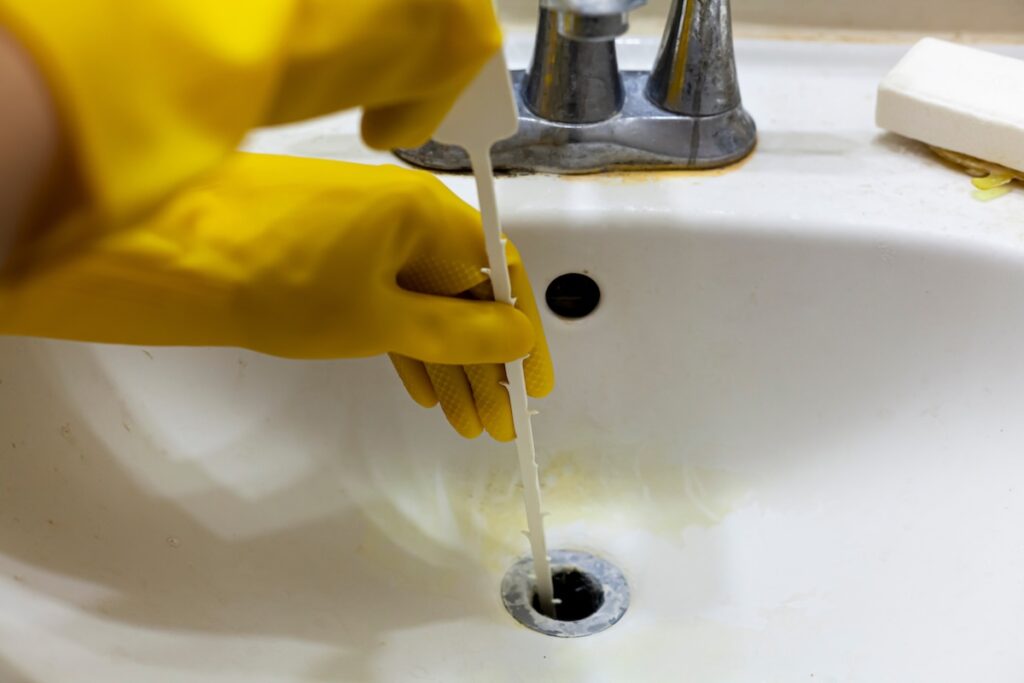
- Snake the drain: A drain snake or auger is one of the most effective DIY tools for deeper clogs. Feed it carefully into the drain until you feel resistance, then twist and pull back to remove debris. Even a straightened wire hanger with a small hook can be used for hair clogs in bathroom sinks. Snaking gives you direct access to blockages too stubborn for plunging.
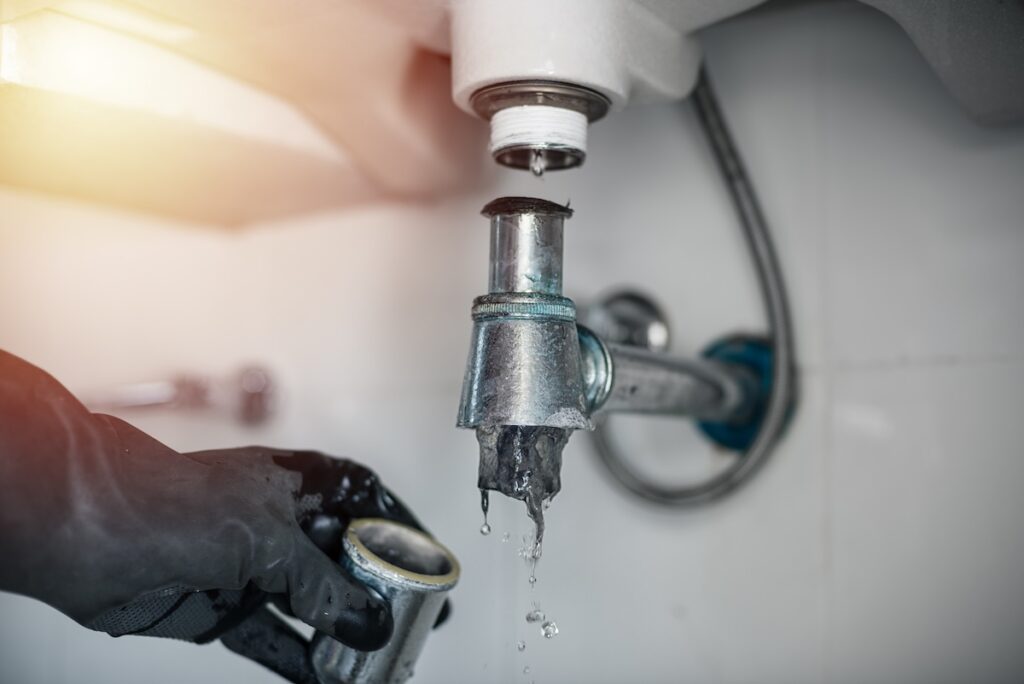
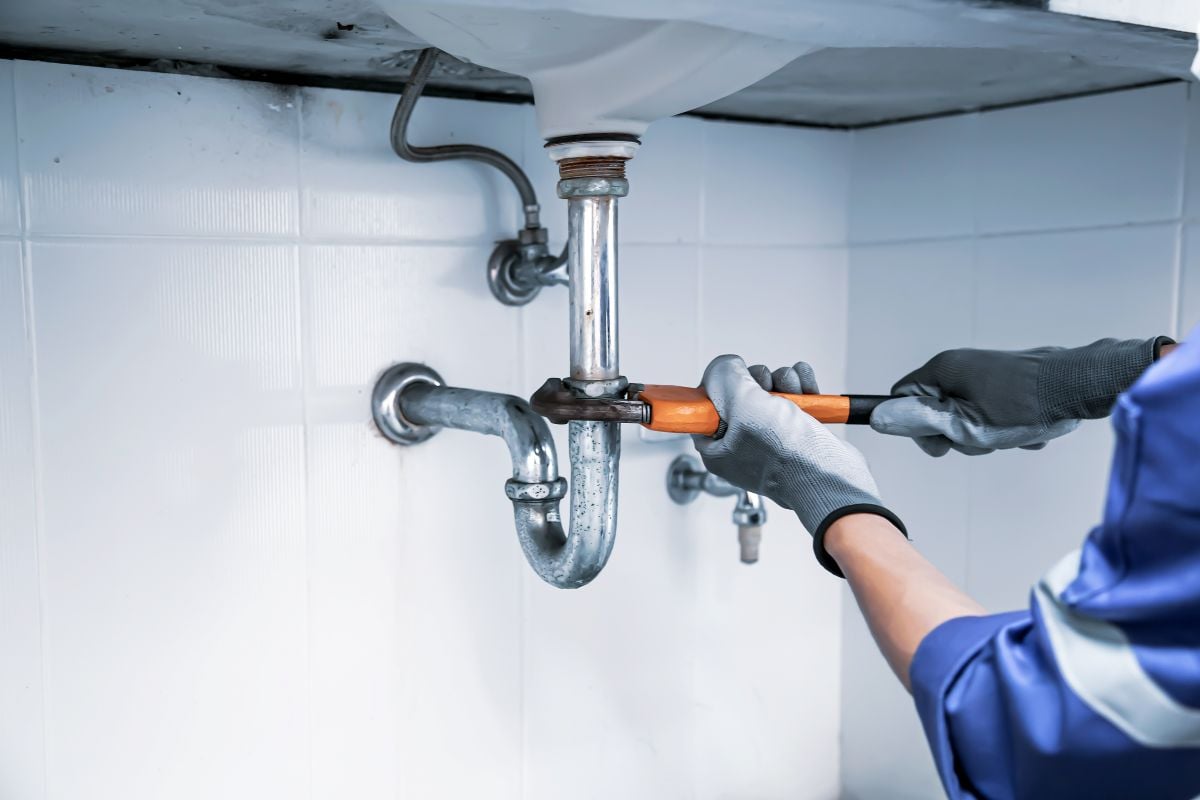
- Clean the P-trap: Place a bucket under the curved pipe beneath your sink, unscrew the connectors, and remove the P-trap. This U-shaped pipe often collects grease, hair, and debris. Cleaning it out thoroughly and reattaching it securely can restore flow. Be sure to check the washers and seals before reassembling to prevent leaks.
DIY vs Professional Drain Clearing
While these steps often work, some clogs are more stubborn than they appear.
When DIY Works
- Minor blockages caused by food particles, grease, or hair
- Slow drains that respond to hot water or plunging
- Shallow clogs close to the sink opening
When to Call a Professional
- Recurring clogs that keep coming back after DIY attempts
- Multiple drains in your home are clogged at the same time
- Foul odors or gurgling noises suggesting a deeper sewer line issue
- You suspect tree root intrusion or a collapsed pipe
Professional plumbers have specialized equipment like motorized augers, hydro-jetting systems, and camera inspections that can clear even the toughest blockages safely. They’ll also check for underlying issues that could prevent burst pipes that homeowners might overlook.
Preventing Future Sink Clogs
Keeping your drains clear is just as important as knowing how to unclog them. Preventive habits can save you from repeating the same frustrations over and over.
- Avoid grease buildup: Never pour cooking oil, bacon grease, or fatty liquids down the sink—these harden inside pipes and create sticky blockages. Pour them into a container, let them solidify, and dispose of them in the trash.
- Use drain screens: In both kitchens and bathrooms, simple strainers catch food scraps and hair before they enter the pipes. They’re inexpensive and easy to clean.
- Flush drains with hot water: Pour boiling water (or very hot tap water for PVC pipes) down the sink once a week to wash away buildup before it hardens.
- Be mindful of what goes down the drain: Coffee grounds, eggshells, fibrous vegetables like celery, and hygiene products should all go in the garbage. These materials are notorious for creating stubborn clogs.
- Schedule professional cleaning: If your home is older or you’ve had repeat clogs, consider annual professional drain cleaning. This keeps pipes clear and gives you peace of mind.

Count on Lorenz for Stubborn Sink Clogs
Learning how to unclog a sink gives homeowners the tools to solve small blockages quickly and prevent bigger issues. But when clogs won’t budge, it’s best to call in experts who can diagnose and fix the problem without causing further damage.
In some cases, a recurring or persistent backup may indicate a more serious problem further down your water service line. Our technicians can determine if the blockage is a simple sink issue or if it involves the main line connecting your home to the municipal supply, ensuring the root cause is addressed properly.
At Lorenz Plumbing Heating & Air, we provide fast, reliable drain cleaning services that restore your sink’s function and keep your plumbing in top condition. Contact Lorenz today for expert help with tough clogs and enjoy the peace of mind that comes with professional care.

Lorenz: Your Friends in Heating Plumbing & Air
Reach Out Today!
We’re here 24/7—send us a message and we’ll be in touch shortly.


