



Low Water Pressure in House: 6 Causes and What to Do
If you’re dealing with low water pressure in house faucets, showers, or appliances, you’re not alone. Many homeowners experience this frustrating issue at some point, and it can make everyday tasks, like doing laundry or taking a shower… less convenient. By understanding the causes and solutions, you can restore normal water flow and prevent future plumbing problems.
- Common problem: Low water pressure often results from buildup, leaks, or system restrictions.
- Smart troubleshooting: Identifying the source helps you apply the right fix quickly.
- Professional guidance: Some causes require an expert plumber to resolve safely.
What Causes Low Water Pressure in a House?
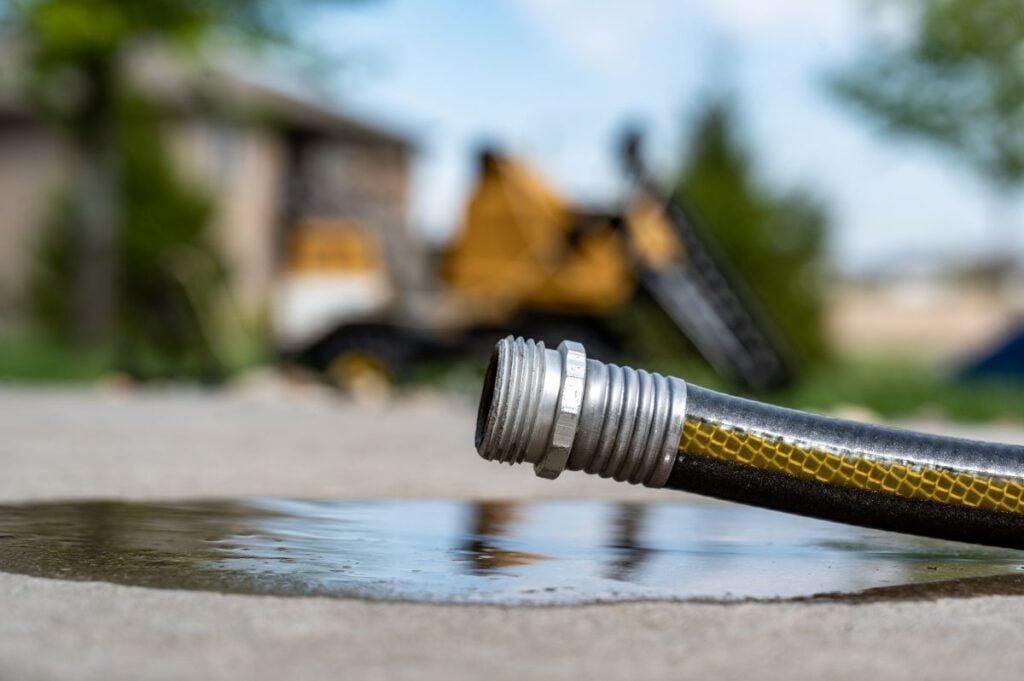
Water pressure refers to how forcefully water moves through your plumbing system. When something obstructs that flow, you’ll notice slower filling sinks, weak showers, or appliances that take longer to operate. Sometimes, the issue affects only one fixture; other times, it impacts the entire home.
Before making adjustments or repairs, it’s important to identify where the issue originates. Pinpointing the cause helps you decide whether the fix is simple or best handled by a professional.
6 Common Causes and What To Do
Low water pressure can stem from a wide range of issues, from minor fixture buildup to larger plumbing concerns. Understanding the most common causes will help you address the problem safely and efficiently.
1. Clogged Aerators or Showerheads
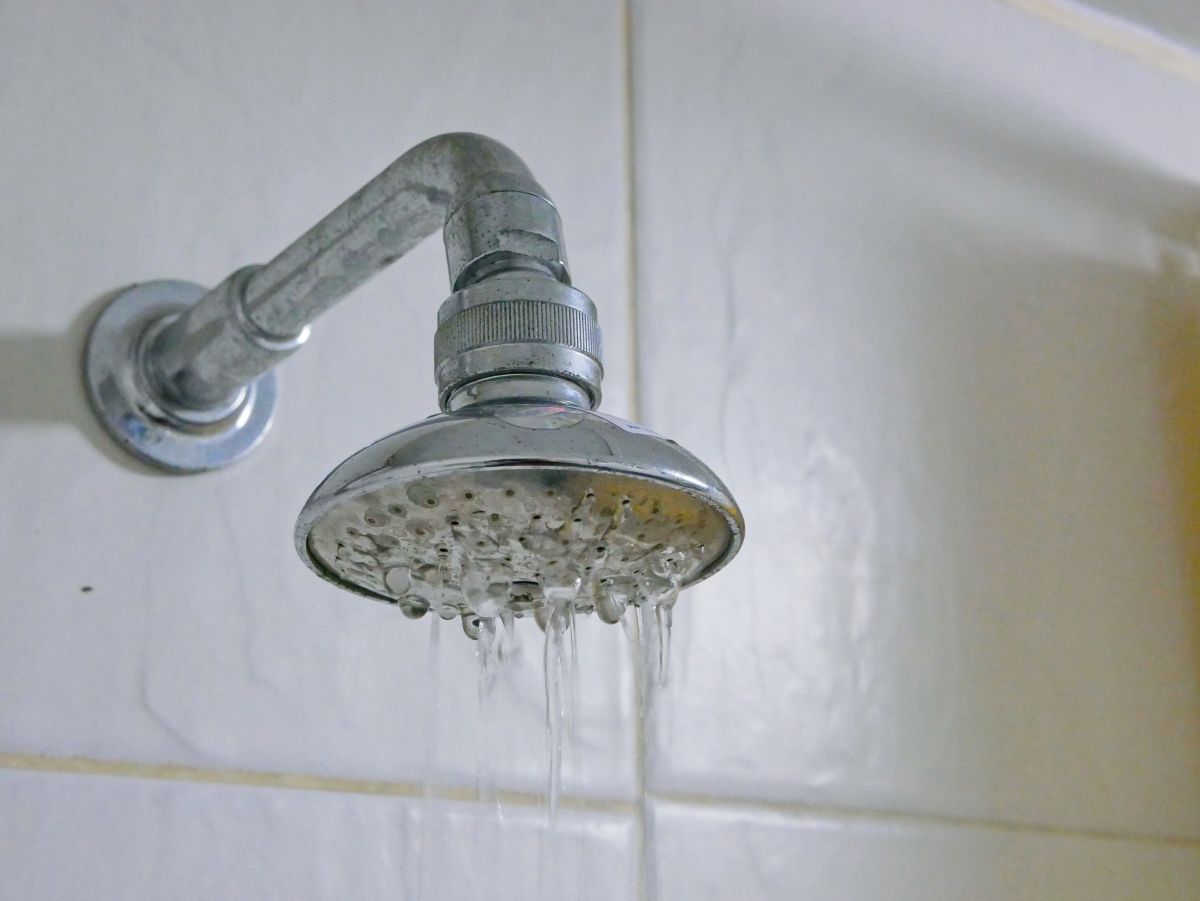
If low pressure is isolated to one faucet or shower, a clogged aerator or showerhead is often the culprit. Over time, mineral deposits and sediment from hard water can block the small holes where water exits.
- Why it happens: Minerals like calcium and magnesium accumulate on the inside of aerators and showerheads, restricting flow.
- What to do: Remove the fixture, soak it in vinegar for 30–60 minutes to dissolve buildup, rinse thoroughly, and reinstall.
- When to call for help: If cleaning doesn’t help, sediment buildup may extend deeper into your plumbing system.
Cleaning aerators every few months is a simple and effective way to maintain steady water pressure throughout your home.
2. Partially Closed Shut-Off Valves
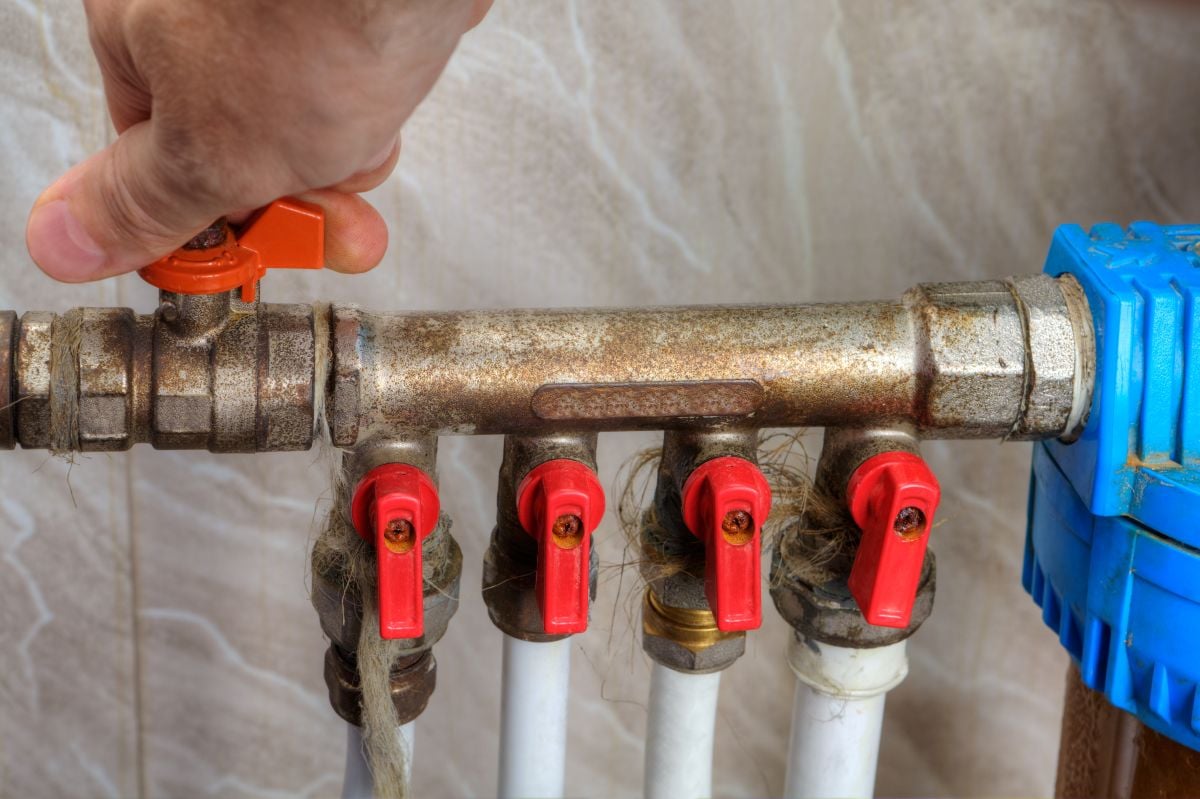
Your plumbing system includes valves that control water flow to different areas of your home. If a valve is even partially closed, it can cause a noticeable drop in pressure.
- Why it happens: After plumbing repairs or routine maintenance, the main water valve or individual shut-offs near sinks and toilets may not be fully reopened.
- What to do: Locate the main shut-off valve, usually near the water meter or where the main line enters your home, and ensure it’s turned fully counterclockwise.
- When to call for help: If the valve feels stuck or corroded, it’s safest to have a plumber inspect or replace it.
Checking valve positions should always be one of your first troubleshooting steps when water pressure drops suddenly.
3. Leaking Pipes
Leaks are a major reason for low water pressure because they divert water before it ever reaches your fixtures. Even a small leak can significantly reduce pressure, especially if it goes unnoticed for a long time.
- Why it happens: Corrosion, loose fittings, freezing temperatures, or old piping can cause cracks and pinholes.
- What to do: Inspect visible pipes for moisture or discoloration, check under sinks, and monitor your water bill for unexplained increases. Shut off the water supply if you find a leak.
- When to call for help: Always. Leaking pipes require professional repair to prevent water damage and mold growth.
Prompt leak detection and repair help preserve both your home’s plumbing system and its structural integrity.
4. Failing Pressure Regulator
Some homes have a pressure-reducing valve, also known as a pressure regulator, that ensures safe, consistent water pressure. When this component fails, you may experience either very low or unusually high pressure.
- Why it happens: Pressure regulators wear out or become clogged with sediment over time, disrupting the balance between water supply and household usage.
- What to do: Attach a water pressure gauge to an outdoor spigot. If readings fall below 40 psi, your regulator may need replacement.
- When to call for help: Replacing a pressure regulator involves specialized tools and plumbing knowledge, so it’s best left to professionals.
Because this valve affects your entire system, prompt attention ensures consistent, safe water flow throughout your home.
5. Mineral or Sediment Buildup in Pipes
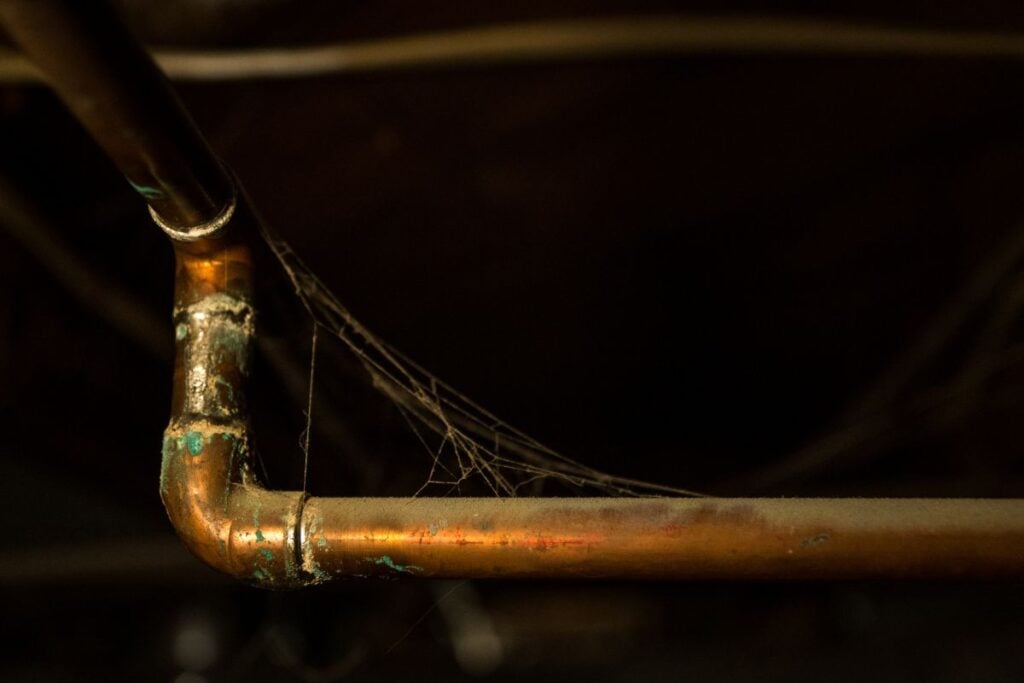
Hard water is a common issue in many Springfield homes. Over time, dissolved minerals like calcium and magnesium can collect inside pipes, restricting flow and causing water pressure to drop.
- Why it happens: Mineral deposits gradually line the interior of pipes, reducing the effective diameter and slowing flow rates.
- What to do: Flush your water heater annually to remove sediment buildup, and consider water conditioning systems to reduce mineral content.
- When to call for help: If buildup affects your plumbing network, a plumber may recommend cleaning or replacing older pipes.
Addressing mineral buildup not only restores pressure but also improves water quality and extends the life of your plumbing system.
6. Issues With the Municipal Water Supply
Sometimes, low pressure isn’t caused by anything inside your home. Citywide maintenance, main breaks, or seasonal demand changes can temporarily affect your household’s water flow.
- Why it happens: Municipal crews may flush hydrants, repair main lines, or adjust system valves, all of which can impact water pressure for several hours or days.
- What to do: Contact your local water utility or check online updates for known service interruptions.
- When to call for help: If neighbors aren’t experiencing similar issues, your home’s plumbing may be the source, and a plumber can inspect your system for internal problems.
External factors often resolve on their own, but it’s important to confirm whether the issue lies within your property or the city’s supply lines.
How To Diagnose Low Water Pressure
Before scheduling service, you can perform a few simple checks to better understand what’s causing the issue. These steps help narrow down whether the problem is localized or systemic.
Start by testing several faucets throughout your home. If low pressure appears in just one area, it’s likely a localized issue like a clogged aerator. If it’s consistent across all fixtures, the problem may involve your main line or regulator.
- Check both hot and cold water: If only the hot water is affected, sediment buildup in your water heater could be restricting flow.
- Use a pressure gauge: Attaching a simple gauge to an outdoor spigot provides accurate psi readings. Normal household pressure is between 40–60 psi.
- Inspect for leaks: Even small leaks can dramatically reduce water flow.
By gathering these details, you can give a professional plumber valuable information to speed up diagnosis and repair.
Preventing Future Water Pressure Problems
The best way to avoid low water pressure is to keep your plumbing system well-maintained. Simple preventive measures can protect against many common issues.
Maintaining your plumbing system doesn’t have to be complicated. A few regular habits can go a long way in keeping water pressure consistent and reliable.
- Flush your water heater yearly: Removes sediment that restricts flow.
- Inspect valves and fittings: Ensure all shut-off valves remain open and corrosion-free.
- Monitor water bills: A sudden increase can signal a hidden leak.
- Schedule periodic inspections: Professional maintenance can catch small issues before they affect pressure.
- Consider water conditioning systems: Reduces mineral buildup in homes with hard water.
Consistency is key, regular inspections and flushing routines keep your home’s plumbing system performing at its best.
When To Call a Professional
While some causes of low water pressure are easy to fix, others require specialized expertise. Knowing when to call a licensed plumber can prevent damage and save time.
It’s always better to act early when water pressure problems arise. Professional plumbers can inspect your lines, measure system pressure, and locate hidden issues quickly using advanced tools.
- Persistent pressure issues: Ongoing low flow even after cleaning fixtures.
- Signs of leaks or corrosion: Visible water damage or rust around pipes.
- Old plumbing materials: Older galvanized pipes may need replacement.
- Sudden pressure drops: Could indicate a regulator or main line problem.
Calling for help early ensures the issue is fixed correctly, preventing further damage or costly repairs later on.
Restore Steady Water Flow With Expert Guidance
Low water pressure in house plumbing can be frustrating, but most causes are easy to identify once you know what to look for. From clogged fixtures to aging pipes, the key is catching issues early and addressing them before they escalate.
If simple fixes don’t restore normal flow, don’t hesitate to get help from a trusted professional. The team at Lorenz Plumbing Heating & Air helps Springfield homeowners understand their plumbing systems and keep them running at peak efficiency.
Whether you suspect a leak, need a pressure test, or want preventive maintenance, reach out to Lorenz for expert guidance. Our technicians provide reliable solutions and peace of mind so you can enjoy strong, steady water pressure throughout your home.

Lorenz: Your Friends in Heating Plumbing & Air
Reach Out Today!
We’re here 24/7—send us a message and we’ll be in touch shortly.


