



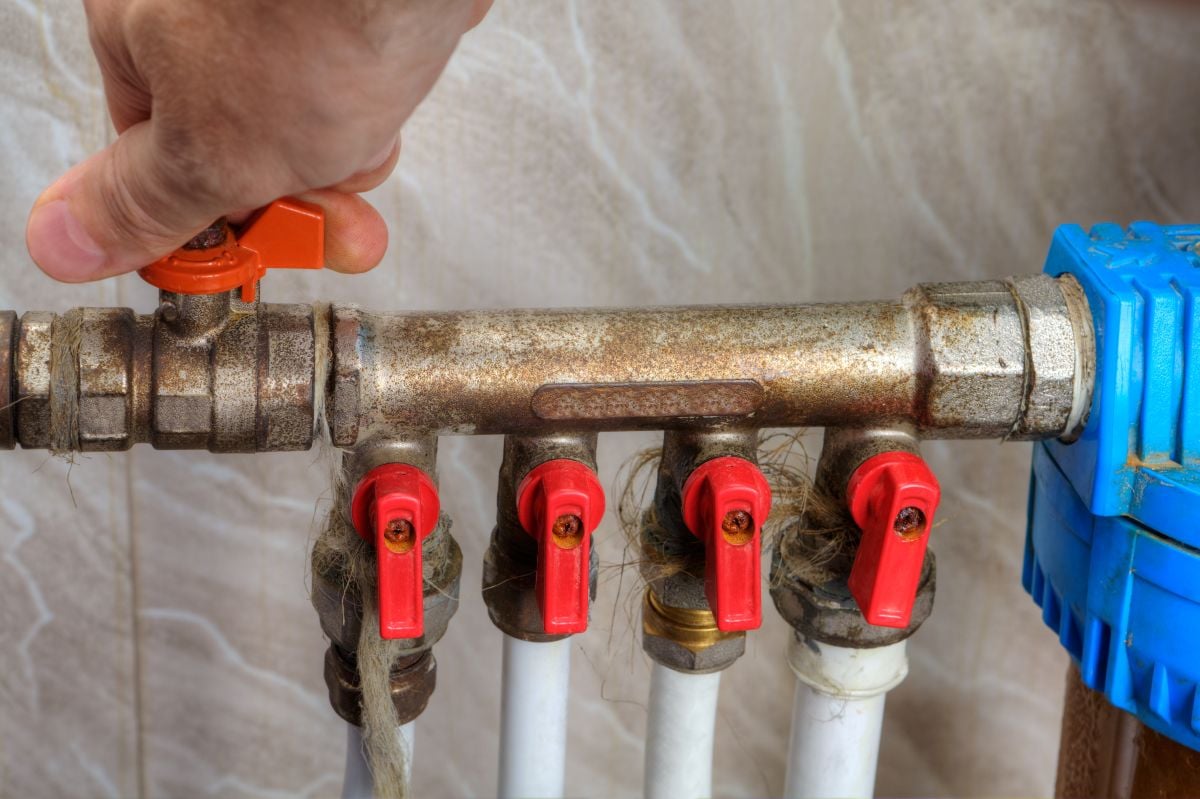
Main Water Shut Off Valve: Location, Use and Safety Tips
Knowing where your main water shut off valve is can make all the difference in a plumbing emergency. Whether you’re dealing with a burst pipe, leaking fixture, or home renovation, being able to turn off your home’s water supply quickly helps prevent costly damage. Unfortunately, many homeowners don’t know where their valve is located until they’re already facing a major leak.
- Emergency preparedness: Knowing how to shut off your water can stop flooding in minutes.
- Simple maintenance: Learning how your system works saves time and stress.
- Peace of mind: Quick action protects your home and plumbing system from severe water damage.
Why the Main Water Shut Off Valve Matters
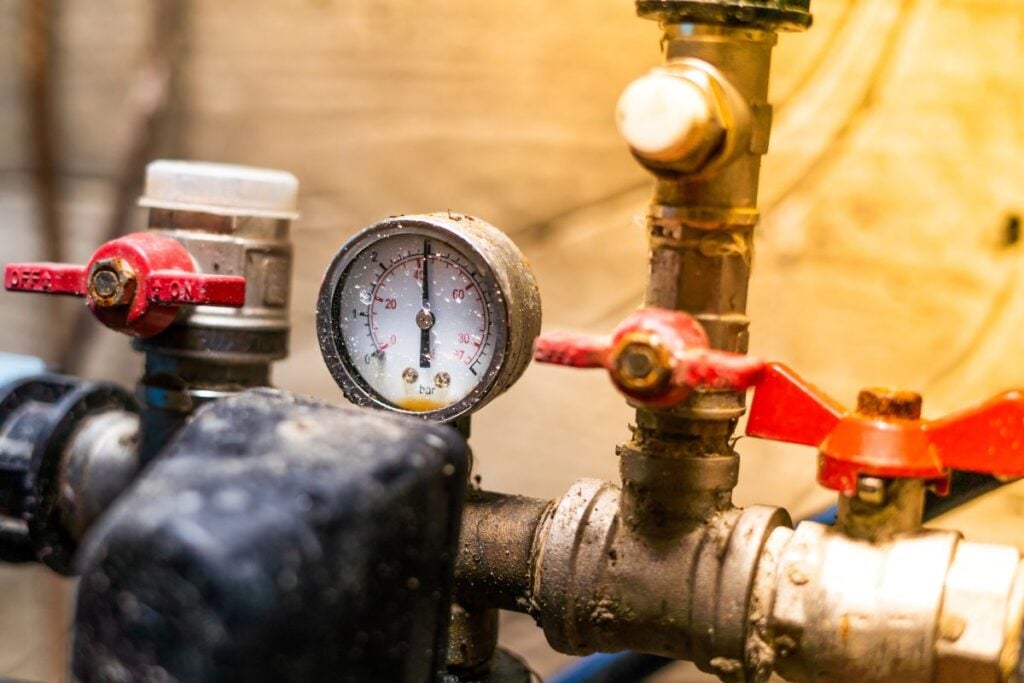
Your plumbing system depends on a constant flow of pressurized water from the main supply line. The shut off valve acts as the control point, allowing you to stop all water flow into the house when needed. This is especially important during emergencies, repairs, or periods when the home will be vacant.
Understanding how to locate, test, and safely operate this valve gives homeowners confidence and control when unexpected plumbing problems arise.
Where To Find Your Main Water Shut Off Valve
Every home’s plumbing setup is slightly different, but the main shut off valve is usually located where the main water line enters the house. It’s typically near the water meter, basement, crawl space, or utility area.
Identifying this valve before you need it can save valuable time during an emergency. Knowing where it’s located and how it operates ensures you can respond quickly when problems occur.
Inside the Home (Most Common)
In many Springfield homes, the main water shut off valve is located indoors, especially in colder climates where freezing is a concern.
- Typical location: Near the foundation wall, basement, crawl space, or utility room where the water line enters the home.
- What it looks like: It may be a round handle (wheel valve) or a lever-style handle (ball valve).
- How to identify it: Follow the main pipe entering from outside or near your water heater until you find the shut off control.
Indoor valves are typically easier to access and operate, making them the preferred option for most homeowners.
Outside Near the Water Meter
If you don’t find a valve inside, check near the water meter box outside your home.
- Typical location: Buried underground near the street or sidewalk, inside a covered box marked “water.”
- How to identify it: You may see two valves—one for City Utilities and one for the homeowner. The homeowner valve is usually located on the side of the meter closest to your property.
- Safety note: Outdoor valves often require a special tool (meter key) to turn and can be difficult to access in wet or frozen conditions.
For safety reasons, homeowners should avoid tampering with the city’s valve and focus only on the house-side control.
In Multi-Unit or Older Homes
Some older homes or apartment buildings have unique plumbing layouts, which can make locating the main valve trickier.
- Typical location: Shared utility areas, mechanical rooms, or lower-level storage spaces.
- How to identify it: Look for a main water line with a valve handle before it branches off into multiple smaller pipes.
- What to do: If you’re unsure which valve controls your unit’s water supply, contact your property manager or plumber for clarification.
Identifying the correct shut off point early ensures you can act fast if a leak occurs in your specific unit.
3 Types of Valves and How To Use Them
Once you’ve located your main valve, it’s important to understand the valve type and how to operate it safely. Turning off your home’s water supply properly prevents damage to both your plumbing and fixtures.
Taking a few minutes to familiarize yourself with your valve now can save significant stress later. Practice turning it on and off occasionally to ensure it functions smoothly.
1. Wheel or Gate Valves
Older homes often feature wheel-style shut off valves. These valves use an internal gate mechanism to stop the flow of water.
- How to operate: Turn the handle clockwise (“righty tighty”) until it stops. To reopen, turn it counterclockwise.
- Maintenance tip: Avoid forcing the valve—if it’s difficult to turn, apply gentle pressure or use a wrench with care.
- When to replace: If the valve leaks, rusts, or becomes too stiff, consider upgrading to a ball valve for easier operation.
Because these valves can wear out over time, regular inspection ensures they remain reliable during emergencies.
2. Ball Valves
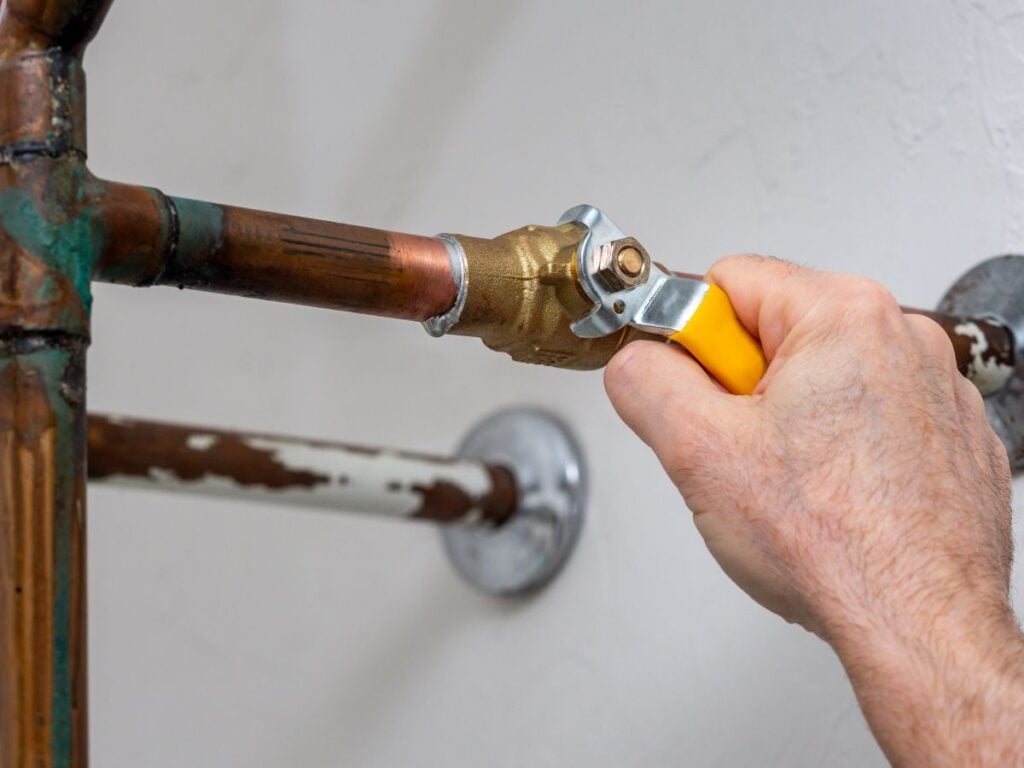
Most newer homes use ball valves, which offer fast and reliable control.
- How to operate: Turn the lever handle 90 degrees to the pipe direction. When the handle is perpendicular, the valve is closed; when parallel, it’s open.
- Maintenance tip: Operate the valve twice a year to keep it from seizing.
- When to replace: If the handle feels loose or leaks appear around the seal, schedule a replacement.
Ball valves are preferred for their durability and ease of use, especially when you need to shut off water quickly.
3. Curb Stop Valves (Outdoor Systems)
Curb stop valves are typically located near the property line or inside the meter box. They’re used primarily for outdoor shut off control.
- How to operate: Use a meter key or wrench to turn the valve clockwise until the water stops.
- Safety warning: These valves can be difficult to reach and may require a professional plumber to access safely.
- When to replace: If the valve is buried, corroded, or damaged, professional replacement ensures safe operation.
Outdoor valves are essential for complete water control but should be handled carefully to avoid damaging city-owned equipment.
Safety Tips for Managing Your Main Shut Off Valve
Proper maintenance and awareness help ensure your valve works when you need it most. Preventive care also reduces the risk of leaks, corrosion, and operational failure.
Being prepared before an emergency occurs allows you to act confidently and minimize damage if a plumbing issue strikes.
- Label your valve: Use a waterproof tag or marker for easy identification.
- Test periodically: Turn the valve on and off once or twice a year to ensure it moves freely.
- Inspect for leaks: Look for moisture, rust, or corrosion around the handle or pipe connections.
- Keep the area clear: Avoid storing boxes or objects that could block access during an emergency.
- Teach family members: Make sure everyone in your household knows where the valve is and how to use it.
A few minutes of maintenance and awareness can prevent extensive water damage and costly repairs.
When To Turn Off the Main Valve
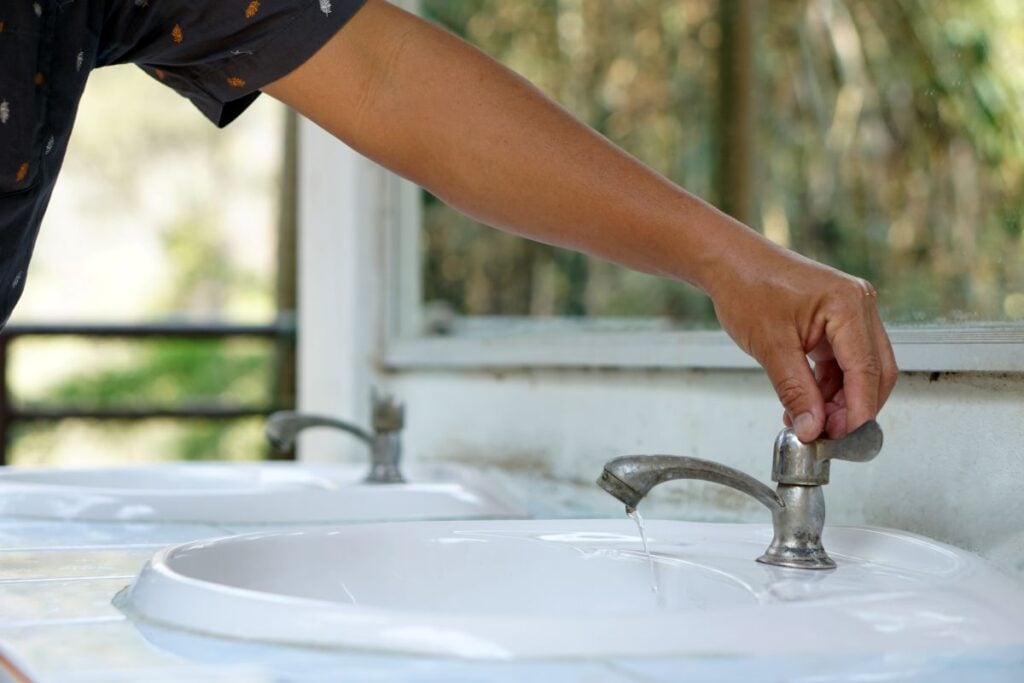
Knowing when to use your shut off valve is just as important as knowing where it is. In many situations, shutting off the main water supply can prevent disaster.
Understanding which scenarios require quick shut off can make the difference between a simple repair and extensive water damage.
- Burst or leaking pipes: Stop water immediately to minimize flooding.
- Before plumbing repairs: Always shut off water before replacing fixtures or pipes.
- During vacations: Turn off the valve before leaving for extended periods to prevent leaks while you’re away.
- Major appliance failures: If a water heater, washing machine, or dishwasher leaks, closing the valve can prevent further damage.
Having the confidence to act quickly in these situations helps safeguard both your home and plumbing system.
Be Ready for Emergencies With Expert Guidance
Your main water shut off valve is one of the most important safety features in your home’s plumbing system. Knowing where it’s located, how to operate it, and when to use it gives you control during emergencies and peace of mind year-round.
For expert advice and dependable service, reach out to Lorenz for expert guidance. Our experienced team helps Springfield homeowners stay prepared, protected, and confident in their home’s plumbing safety.

Lorenz: Your Friends in Heating Plumbing & Air
Reach Out Today!
We’re here 24/7—send us a message and we’ll be in touch shortly.


