



Mini Split vs Central Air: Which One Is Right For Your Home?
When comparing mini split vs central air systems, homeowners often wonder which option delivers the best comfort, efficiency, and value. Both systems provide effective cooling, but they operate very differently—and the right choice depends on your home’s size, layout, and energy goals. Understanding how each system works helps you make an informed decision before your next HVAC upgrade.
- Home comfort: The right cooling system keeps your entire home at consistent temperatures.
- Energy efficiency: Choosing wisely can lower energy costs and reduce maintenance.
- Long-term investment: The right system adds comfort, value, and reliability to your home.
What Is a Mini Split System?
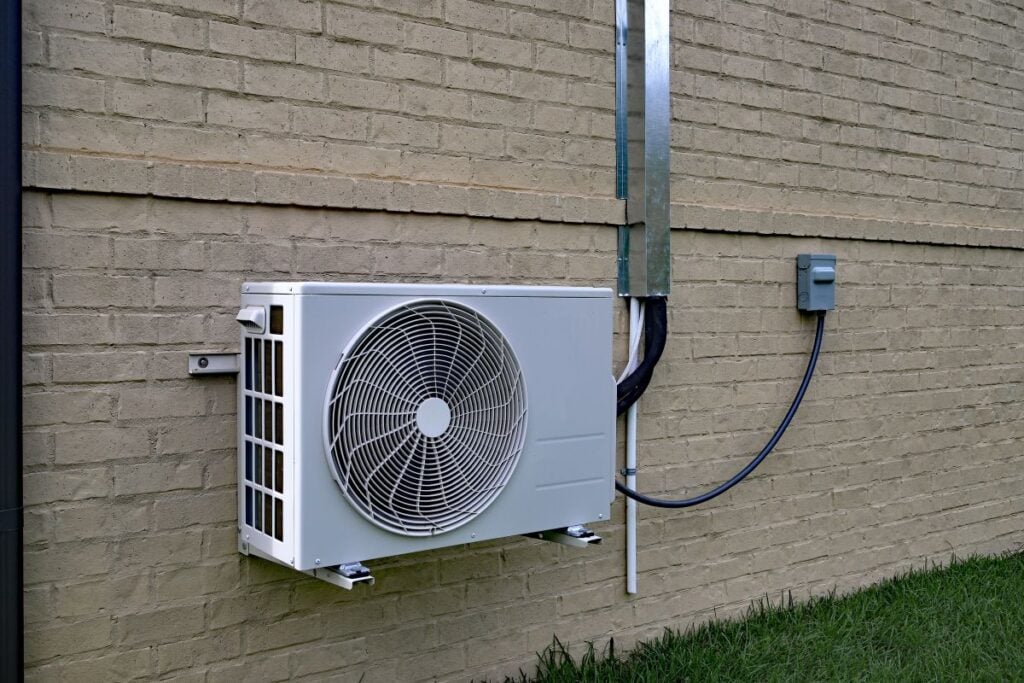
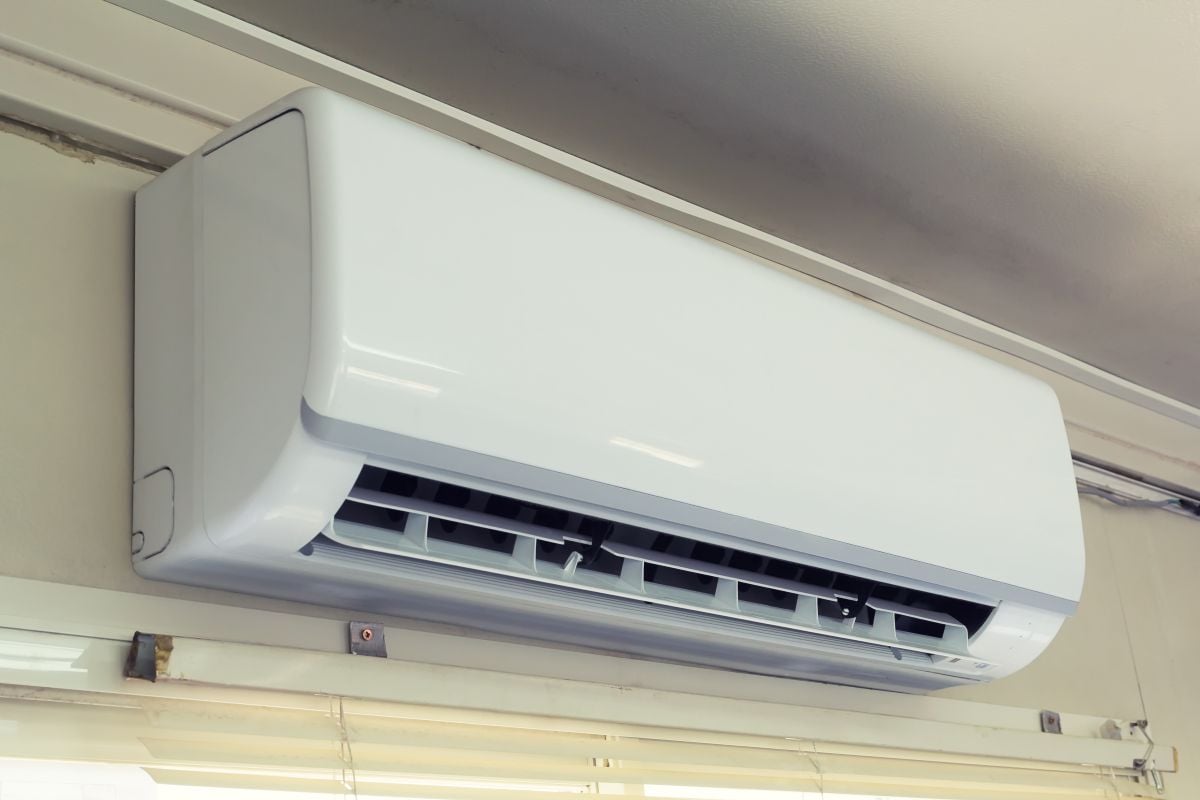
A mini split, also known as a ductless system, uses individual air handlers in each room to cool or heat the space. Each indoor unit connects to an outdoor compressor through a small refrigerant line. Mini splits are popular for homes without ductwork or for specific rooms that need customized temperature control.
Unlike traditional systems, mini splits don’t require air ducts, which makes them highly efficient and flexible for different types of spaces.
Key Benefits of Mini Split Systems
- Zoned comfort: Set different temperatures in separate rooms for personalized comfort.
- Energy efficiency: Eliminates duct loss, improving efficiency by up to 30%.
- Quiet operation: Indoor units operate quietly, ideal for bedrooms or offices.
- Flexible installation: Great for older homes, additions, or rooms without ducts.
- Year-round performance: Many models function as both air conditioners and heat pumps.
What Is a Central Air System?
Central air conditioning systems are the most common cooling solution in American homes. They use a single outdoor unit connected to an indoor coil and a network of ducts that distribute cool air throughout the entire house.
This type of system delivers even, consistent cooling for the whole home and is controlled by a single thermostat. Central air systems are ideal for homes that already have ductwork in place.
Key Benefits of Central Air Systems
- Whole-home comfort: Cools every room evenly through the duct network.
- Cost-effective for larger homes: One system manages the entire cooling load.
- Discreet design: No visible indoor units—just vents and registers.
- Improved air quality: Works with filters and purifiers to clean circulated air.
- Smart thermostat options: Allows for precise temperature and humidity control.
Mini Split vs Central Air: Comparison Table
The table below outlines the main differences between mini split and central air systems to help homeowners choose the best option.
| Category | Mini Split System | Central Air System |
| Installation | Requires individual indoor units; no ductwork needed. | Connects to existing ducts for full-home cooling. |
| Best For | Homes without ducts, additions, or zoned comfort needs. | Homes with existing ductwork and larger spaces. |
| Energy Efficiency | Higher—no energy loss through ducts. | Slightly lower—ducts can lose up to 30% of energy. |
| Aesthetics | Visible wall-mounted units. | Hidden components with subtle vents. |
| Cost | Higher upfront cost per room; lower operating costs. | Lower initial cost if ductwork exists; higher energy use. |
| Temperature Control | Zoned, room-by-room control. | Whole-home control via single thermostat. |
| Maintenance | Filter cleaning and coil maintenance for each unit. | Periodic duct cleaning and filter changes. |
| Noise Level | Very quiet indoor operation. | Slight blower noise from air handler. |
Both systems are efficient and reliable—choosing between them depends on your comfort priorities and home layout.
5 Factors to Consider When Choosing
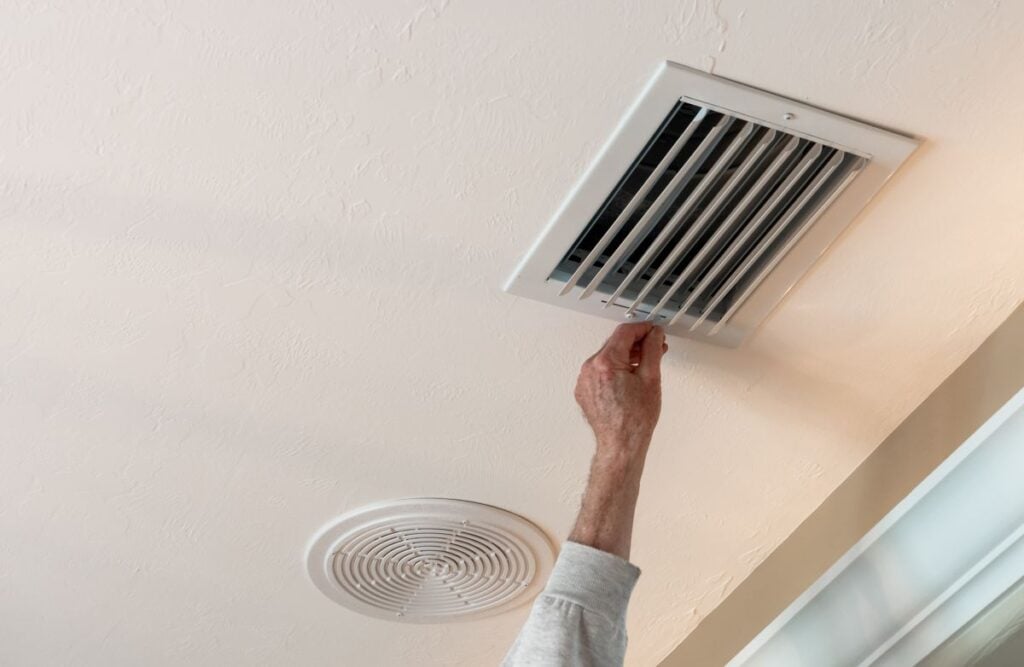
Before deciding, it’s important to consider how each system fits your home’s needs. Factors like existing infrastructure, budget, and comfort preferences can significantly influence your decision.
1. Home Size and Layout
- Mini split: Ideal for smaller homes, apartments, or add-on rooms. Each zone operates independently for precise comfort.
- Central air: Works best in larger homes where ductwork can efficiently distribute cool air evenly.
2. Installation Requirements
- Mini split: No ductwork means faster, cleaner installation. Technicians install small refrigerant lines through walls.
- Central air: If your home already has ducts from a furnace or previous system, installation is typically more affordable.
3. Budget and Energy Efficiency
- Mini split: Higher upfront investment but greater long-term savings through energy efficiency.
- Central air: Lower initial cost in homes with existing ducts but higher energy use due to duct loss.
4. Aesthetic Preferences
- Mini split: Wall-mounted units are visible, which may not fit every design preference.
- Central air: Vents blend seamlessly into walls or ceilings, preserving your home’s appearance.
5. Maintenance and Lifespan
- Mini split: Requires regular cleaning of indoor filters and coils.
- Central air: Needs periodic duct cleaning and seasonal tune-ups.
Both systems can last 15–20 years with proper care, though ductless systems often require less ongoing maintenance.
Pros and Cons of Each System
Understanding the advantages and drawbacks of both systems helps homeowners make confident decisions about their cooling needs.
Mini Split Pros
- Flexible zoning: Control temperature by room.
- High efficiency: Lower energy use means reduced utility bills.
- No duct cleaning required: Fewer maintenance concerns.
- Heating and cooling: Some systems serve both purposes.
Mini Split Cons
- Higher upfront cost: Especially for multi-zone setups.
- Visible units: May not match every home’s décor.
- Multiple filters: Each indoor unit requires cleaning.
Central Air Pros
- Whole-home comfort: Consistent cooling throughout.
- Hidden design: No visible wall units.
- Compatibility: Works with furnaces and existing duct systems.
- Advanced control: Integrates easily with smart thermostats.
Central Air Cons
- Duct loss: Up to 30% of cooling energy can be lost through leaks or poor insulation.
- Installation limits: Requires ductwork, making it costly for older homes.
- Maintenance needs: Regular duct cleaning and filter changes are necessary.
Which System Is Right for You?
Choosing between mini split and central air depends on your home’s existing infrastructure and comfort goals. If your home lacks ductwork or you want room-by-room control, a mini split system is often the better option. If you already have ducts and prefer traditional whole-home comfort, central air may be more cost-effective.
Consider These Questions Before Deciding
- Do you already have ductwork in place?
- Do you prefer individual room temperature control?
- What is your long-term budget for energy bills and maintenance?
- How important is system appearance in your home design?
Consulting with a professional HVAC technician ensures you choose the most efficient, long-lasting solution for your specific needs.
Why Springfield Homeowners Trust Lorenz

At Lorenz Plumbing Heating & Air, we help Springfield homeowners find the perfect cooling solution for their home layout, comfort preferences, and budget. Whether you’re installing a new system or upgrading an old one, our experts guide you through every step.
- Expert recommendations: We assess your home’s layout and insulation for optimal system selection.
- Professional installation: Our certified technicians ensure code-compliant, efficient installation.
- Maintenance and repair: We provide ongoing service to maximize system lifespan.
- Energy-efficient options: We install high-performance mini split and central air systems built for Missouri’s climate.
Our goal is to help you make a smart investment that enhances comfort and lowers utility costs year after year.
Let Lorenz Help You Choose the Perfect Cooling System
Understanding the differences between mini split vs central air systems helps you make an informed decision that fits your home’s comfort and efficiency needs. Each system offers unique advantages, and the right choice depends on your home’s layout, energy goals, and installation requirements.
At Lorenz Plumbing Heating & Air, we specialize in installing and maintaining both ductless and central air systems for Springfield homeowners. Contact Lorenz today to schedule a consultation and discover which system is right for your home’s comfort and long-term savings.



Lorenz: Your Friends in Heating Plumbing & Air
Reach Out Today!
We’re here 24/7—send us a message and we’ll be in touch shortly.


