



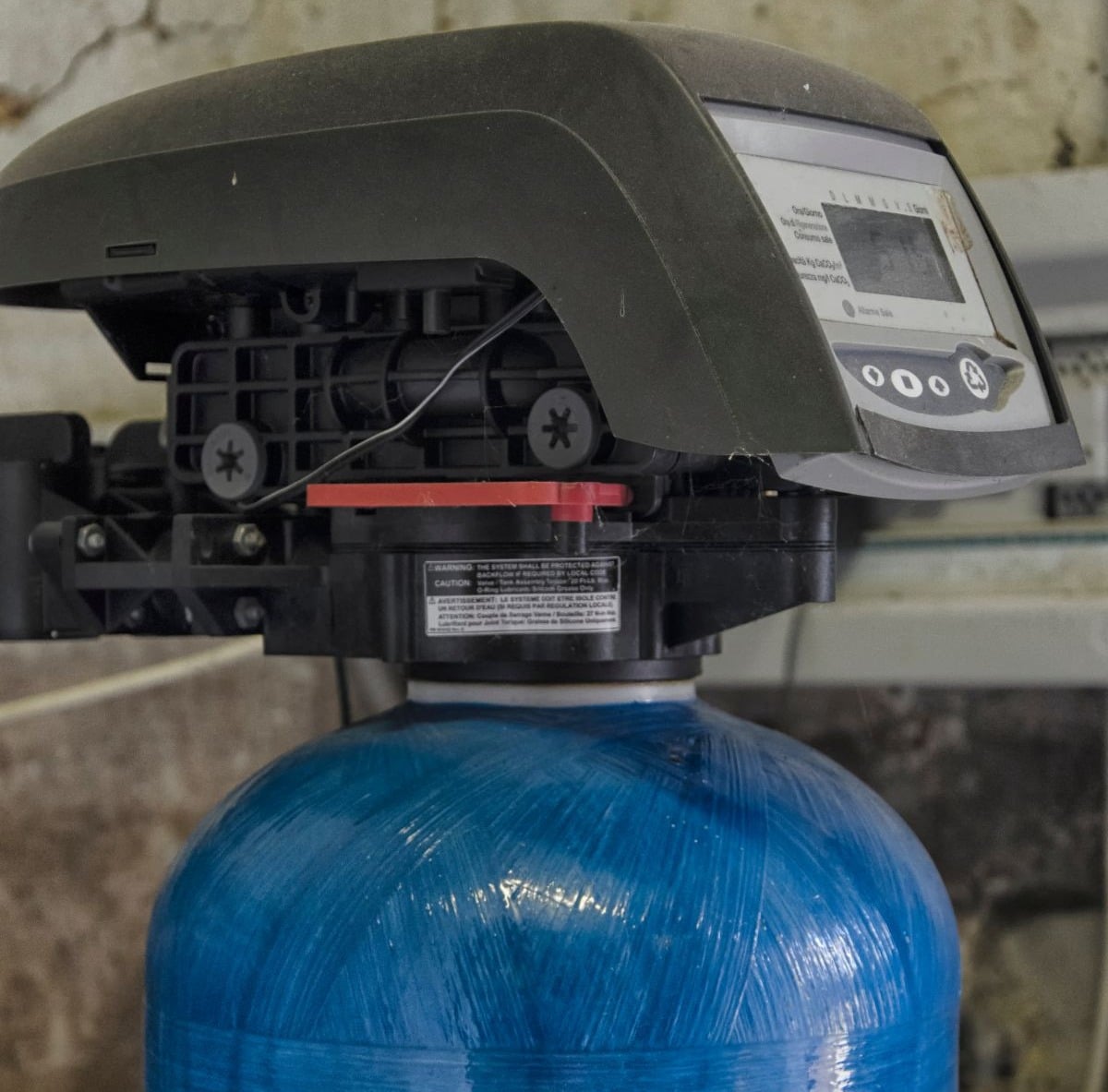
How Does Salt Free Water Softener Work?
If you’ve ever wondered how a salt free water softener works, you’re not alone. Many homeowners are exploring alternatives to traditional systems that use salt to reduce hard water minerals. Salt free systems don’t technically “soften” water in the chemical sense, but they do prevent mineral buildup, helping protect your plumbing, appliances, and fixtures from scale without adding sodium to your water.
- Eco-friendly option: No salt or water waste during operation.
- Low maintenance: Requires minimal upkeep compared to traditional softeners.
- Scale prevention: Keeps pipes and appliances free of hard water buildup.
What Is a Salt Free Water Softener?
A salt free water softener, more accurately called a water conditioner, does not remove calcium or magnesium from water. Instead, it alters these minerals’ structure so they don’t adhere to surfaces inside your plumbing system. This process prevents limescale from forming while keeping the beneficial minerals in your water.
Unlike traditional softeners, these systems do not regenerate with salt or flush wastewater. That makes them an environmentally friendly and low-maintenance solution for households concerned about water conservation or sodium intake.
The Difference Between Water Softeners and Conditioners
Although the two terms are often used interchangeably, there’s an important distinction between softening and conditioning water.
Traditional Salt-Based Softeners
These systems use an ion exchange process to remove hardness minerals. Water flows through resin beads charged with sodium or potassium ions, swapping them for calcium and magnesium. The result is true “soft water,” which feels smoother and reduces soap scum.
Salt-Free Conditioners
Salt free systems don’t remove minerals, they change their crystalline form so they no longer stick to surfaces. While the hardness remains, it doesn’t cause buildup inside pipes or on fixtures. The difference lies in prevention rather than removal.
| Feature | Salt-Based Softener | Salt-Free Conditioner |
| Removes Minerals | Yes – via ion exchange | No – transforms minerals to prevent buildup |
| Maintenance | Requires salt refills and regeneration cycles | Low maintenance, no salt or backwashing |
| Water Feel | Soft, silky water | Natural feel, minerals remain |
| Environmental Impact | Uses salt and produces wastewater | Eco-friendly, no discharge |
| Effectiveness on Scale | Removes and prevents | Prevents but does not remove existing scale |
Both systems can improve water quality, but they serve different goals depending on your priorities.
How a Salt Free Water Softener Works
Salt free water conditioners rely on a process called Template Assisted Crystallization (TAC). This technology treats hardness minerals without chemicals, salt, or electrical components.
Water Enters the Conditioning Media
As hard water flows through the tank, it passes over a special media surface made of microscopic polymer beads. These beads act as templates for crystal formation.
Mineral Crystallization
Calcium and magnesium ions attach to the media surface and form small, stable crystals. Once formed, these crystals detach and remain suspended in the water rather than clinging to pipes or fixtures.
Scale Prevention
Because the minerals are already bound in crystal form, they can no longer stick to surfaces. This significantly reduces scale buildup in plumbing, water heaters, and dishwashers.
Continuous Protection
Unlike salt-based systems that regenerate periodically, TAC systems work continuously without backwashing or draining. There’s no brine tank, salt storage, or need for electricity.
This method is highly effective at preventing new scale formation, although it won’t remove any existing buildup inside older pipes or appliances.
5 Benefits of Salt Free Water Softeners
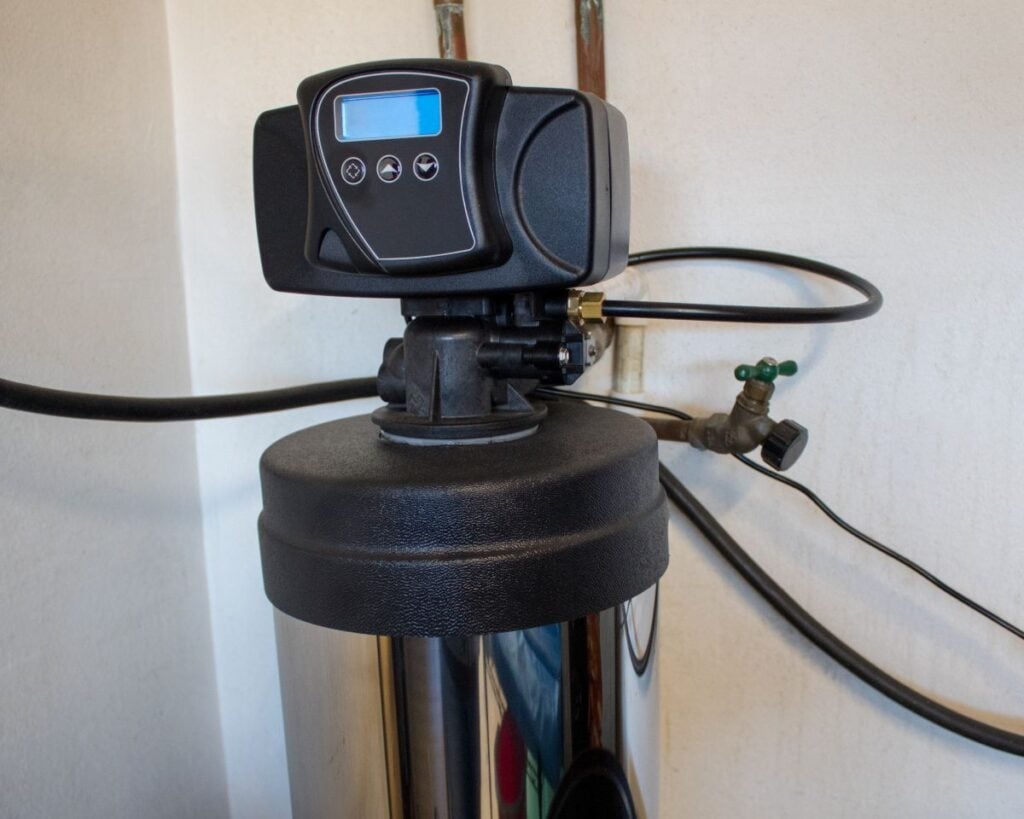
Salt free conditioners have grown in popularity due to their low maintenance and environmentally friendly design. They’re an appealing option for homeowners who want to protect plumbing systems without frequent upkeep.
- No salt or chemicals: Eliminates sodium discharge into the environment.
- Zero wastewater: Doesn’t require flushing or regeneration cycles.
- Easy installation: Compact design fits easily into existing plumbing lines.
- Retains healthy minerals: Keeps calcium and magnesium, which some people prefer in drinking water.
- Lower operating costs: Minimal ongoing expenses compared to traditional systems.
Because they don’t use salt or electricity, these systems also tend to have a smaller carbon footprint.
Limitations of Salt Free Systems
While effective for many homes, salt free systems have certain limitations homeowners should understand before purchasing one.
- Doesn’t remove existing scale: Can’t clean out buildup already in pipes.
- Less effective in extremely hard water: In areas with very high mineral content, traditional softeners may still perform better.
- No “soft water” feel: Water won’t have the same silky texture as salt-based softeners.
- Requires good pretreatment: High iron or sediment levels can reduce system performance.
For households with extremely hard water or specific appliance concerns, a professional water test can help determine whether a salt free conditioner provides enough protection.
Best Applications for Salt Free Systems
Salt free conditioners work best for homeowners who want to prevent new scaling and reduce maintenance rather than achieve completely soft water.
Ideal Situations
- Homes with moderate hardness: Typically less than 15 grains per gallon.
- Environmentally conscious households: No salt discharge or wastewater.
- Low-maintenance preferences: No ongoing refills or service cycles.
- Health-conscious homeowners: Reduces sodium content in drinking water.
These systems are particularly popular in regions where water hardness isn’t extreme but still high enough to cause appliance wear or visible residue.
Maintenance and Lifespan
One of the biggest advantages of salt free systems is how little maintenance they require.
- No salt refills: Eliminates heavy lifting and recurring costs.
- No backwash cycle: Saves water and reduces waste.
- Media replacement: The conditioning media typically lasts 5–10 years before replacement.
- Simple cleaning: Occasional flushing with clean water helps maintain flow rates.
With minimal upkeep, homeowners can enjoy years of scale prevention without frequent service calls.
Comparing Water Conditioning and Softening Options
Each type of system, salt-based or salt-free, has its place, and the right choice depends on your water quality and household needs.
- Salt-based softeners: Best for homes with very hard water and high mineral content.
- Salt free conditioners: Best for scale prevention and environmentally friendly operation.
- Hybrid systems: Some modern units combine features of both technologies for maximum flexibility.
If your main concern is hard water’s effect on your plumbing and appliances, a salt free water conditioner may be all you need.
Should You Consider a Salt Free Water Softener?
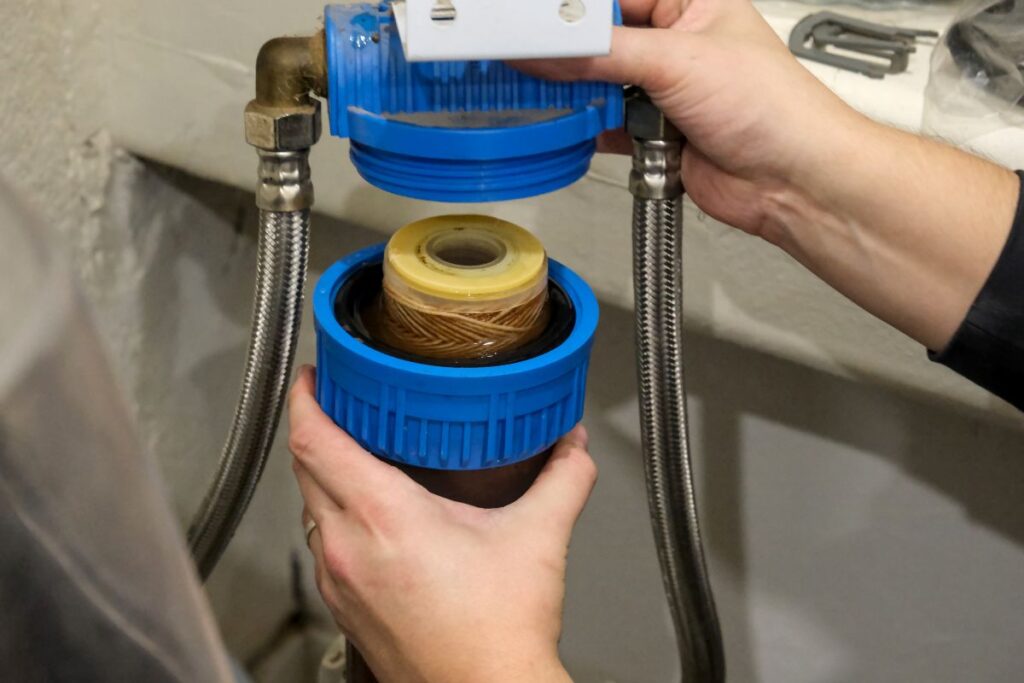
Choosing the right water treatment system comes down to your priorities. If you want smoother-feeling water and total mineral removal, a traditional softener is still the gold standard. But if your main goal is to prevent scale and reduce maintenance, a salt free conditioner offers a reliable, eco-friendly solution.
Before installing any system, it’s always a good idea to have your water professionally tested. This ensures you understand your water’s specific hardness level, pH balance, and mineral content, so you can select the most effective technology for your home.
Understanding the Role of Salt Free Water Softeners
A salt free water softener doesn’t actually soften water… it conditions it by preventing minerals from sticking to surfaces. Through advanced crystallization technology, these systems protect plumbing, fixtures, and appliances without salt, waste, or frequent maintenance.
For homeowners in Springfield and surrounding areas, understanding how salt free systems work helps you make informed decisions about water treatment options that best fit your home, budget, and lifestyle. Whether you choose a traditional softener or a salt free conditioner, maintaining balanced water quality is key to protecting your home’s plumbing system for years to come.
Reach out today to learn more and explore our water softener options!


Lorenz: Your Friends in Heating Plumbing & Air
Reach Out Today!
We’re here 24/7—send us a message and we’ll be in touch shortly.


