



Sewer Line Replacement (Timeline, Insurance & More)
If you’re facing sewer line replacement at your home, understanding the process, timeline, and possible insurance coverage can make a major difference. Sewer lines are one of the most critical parts of a home’s plumbing system, and when they fail, it can disrupt your entire household. While this type of work is usually handled by specialized utility or excavation contractors, every homeowner should know what to expect.
- Understanding the process: Learn how sewer line replacement works from start to finish.
- Homeowner awareness: Know the common causes and warning signs of failure.
- Planning ahead: Be prepared for costs, insurance questions, and timeline details.
What Is Sewer Line Replacement?
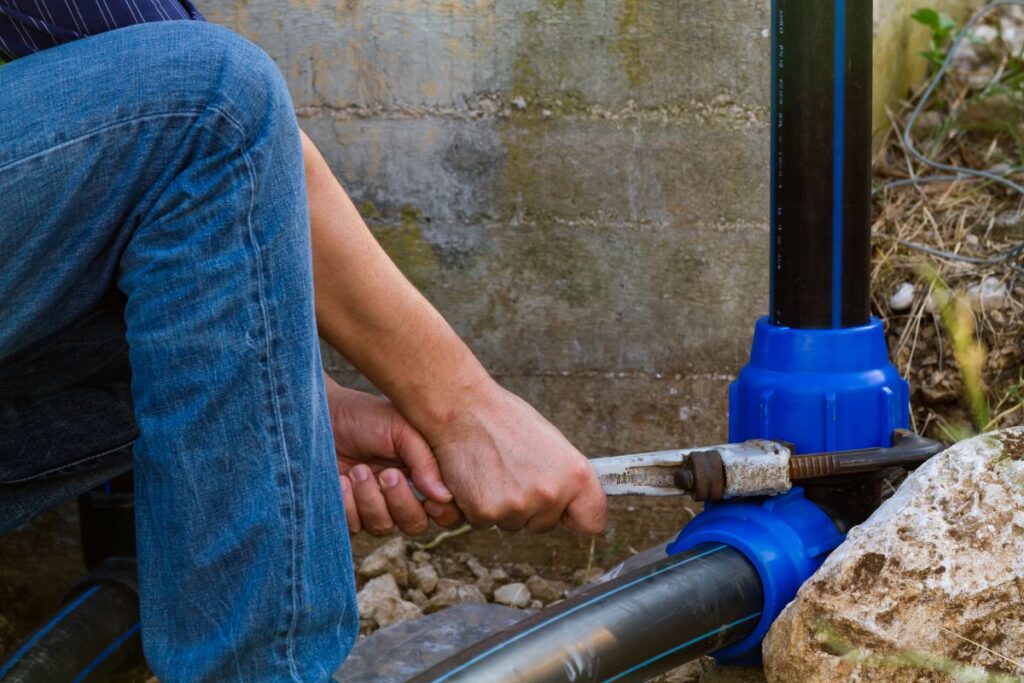
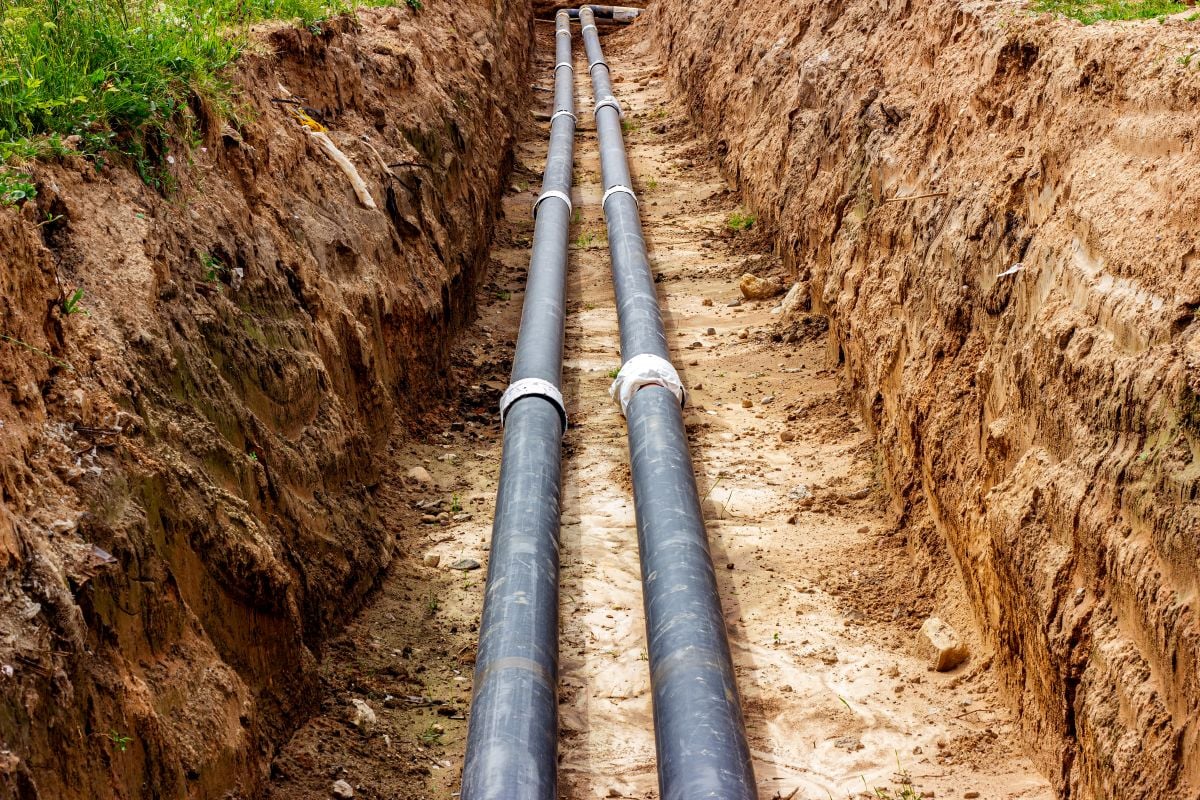
Sewer line replacement involves removing or rehabilitating the underground pipe that connects your home’s plumbing system to the municipal sewer main. These pipes carry all wastewater away from sinks, toilets, showers, and appliances.
Over time, sewer lines can deteriorate due to corrosion, tree root intrusion, shifting soil, or aging materials. When that happens, sections of the line may need to be replaced to restore proper drainage and prevent backups.
Common Reasons Sewer Lines Need Replacement
- Tree root intrusion: Roots grow into joints or cracks, causing blockages and breakage.
- Aging materials: Older clay, cast iron, or Orangeburg pipes degrade over decades.
- Corrosion: Metal pipes rust from the inside out, weakening over time.
- Soil movement: Ground settling can shift or crack underground lines.
- Blockages and buildup: Grease, wipes, and other debris can contribute to clogs that damage pipe walls.
Knowing what causes sewer line issues helps homeowners detect problems early before serious damage occurs.
How Long Sewer Line Replacement Takes
The duration of a sewer line replacement depends on several factors, including pipe length, soil condition, and the chosen repair method. In general, most residential replacements take less than a week from start to finish.
Initial Inspection
A professional plumber or contractor uses a video camera inspection to locate cracks, collapses, or blockages. This non-invasive method identifies the extent of damage before any digging begins.
- Typical timeframe: 1–2 hours.
- Purpose: Identify whether full or partial replacement is needed.
Planning and Permits
Before any work can begin, a city permit is often required. The contractor submits details about the project’s scope, materials, and excavation plans.
- Typical timeframe: 1–3 business days, depending on local review times.
- Note: Many cities, including Springfield, regulate work on sewer connections to ensure safety and compliance.
Excavation or Trenchless Setup
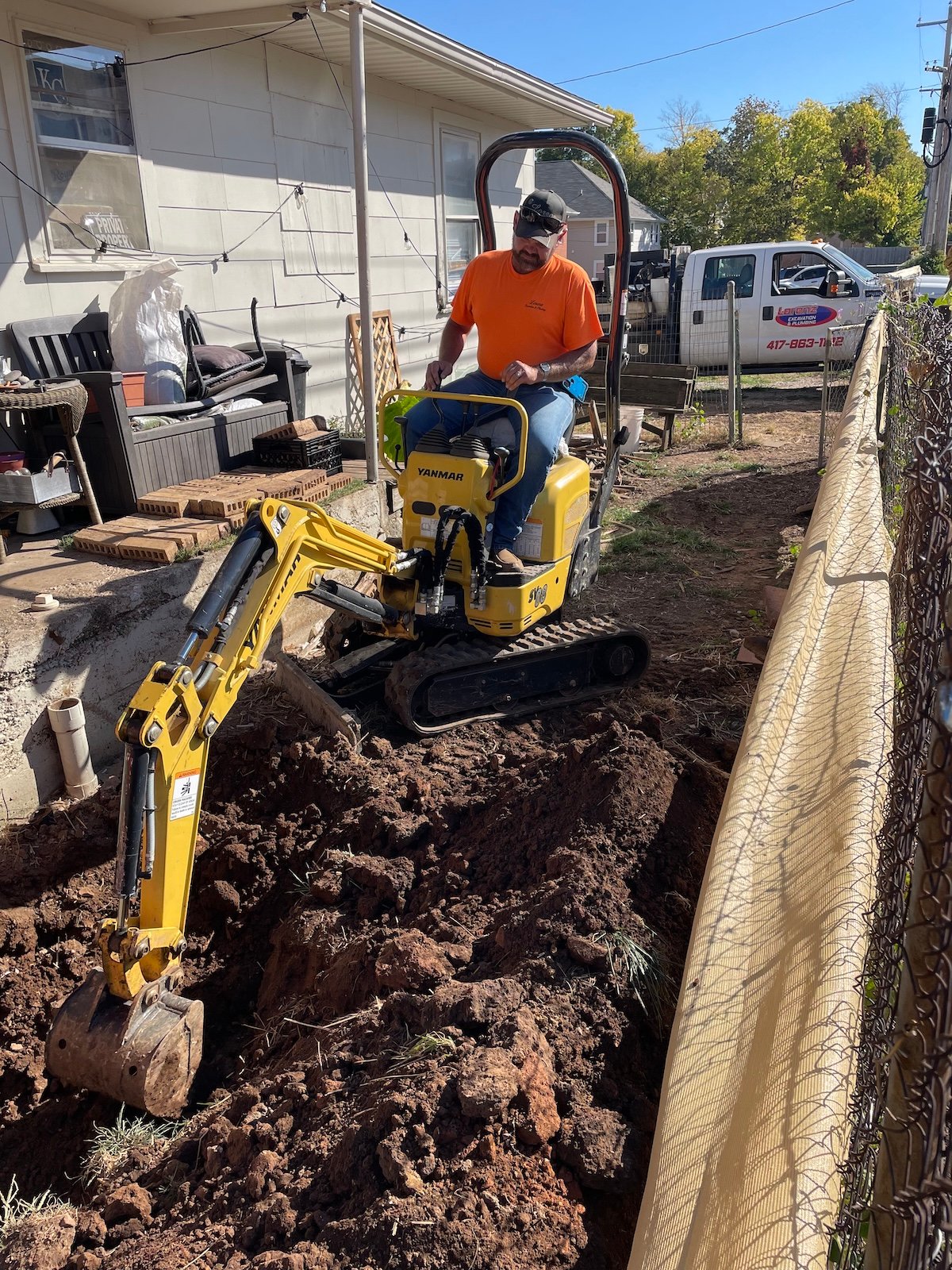
Traditional methods require digging a trench to access the entire line, while modern trenchless techniques only need small entry and exit points. The chosen approach depends on pipe depth, location, and surrounding utilities.
- Typical timeframe: 1–2 days for setup.
- Trenchless advantage: Less damage to landscaping, driveways, and walkways.
Pipe Replacement
Once access is created, the damaged pipe is replaced or relined with new material, such as PVC or cured-in-place liners. Contractors test the line to ensure proper slope and flow before backfilling.
- Typical timeframe: 1–3 days.
- Tip: Ask for details about materials used and their expected lifespan.
Backfilling and Cleanup
After installation, the excavation is filled, compacted, and the area restored. A final inspection ensures the new sewer line meets code requirements.
- Typical timeframe: 1–2 days.
- Total project duration: Typically 3–7 days, depending on site conditions and permit timing.
Sewer Line Replacement Methods
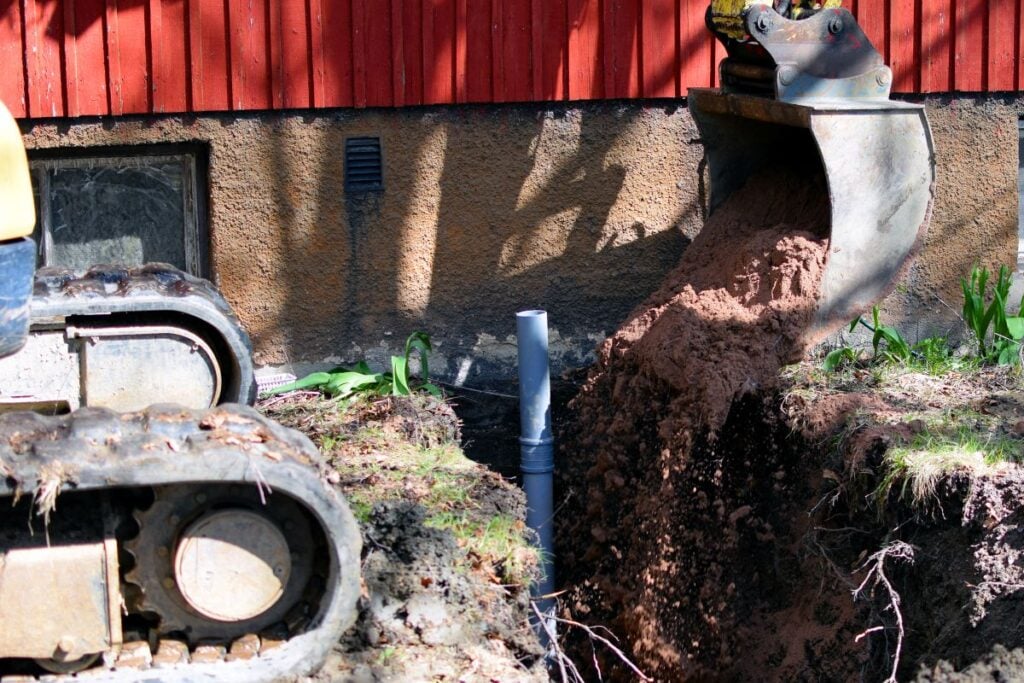
Several techniques exist for replacing or repairing sewer lines. The right option depends on the age of your plumbing, the level of damage, and your property layout.
Traditional Excavation
This method involves digging a trench along the pipe’s full length to remove and replace it.
- Advantages: Allows direct access to inspect and replace damaged sections.
- Disadvantages: Disruptive to landscaping and requires extensive cleanup.
Trenchless Pipe Bursting
A bursting head breaks apart the old pipe while pulling a new one into place.
- Advantages: Minimal digging and faster installation.
- Disadvantages: May not be possible if the old pipe has collapsed entirely.
Cured-in-Place Pipe (CIPP) Lining
A flexible, resin-coated liner is inserted into the old pipe and hardened, creating a new interior surface.
- Advantages: No major excavation needed.
- Disadvantages: Only suitable if the existing pipe is structurally stable.
Each method has unique pros and cons. Homeowners should discuss options with a qualified plumbing or sewer contractor before committing to a repair.
Sewer Line Replacement Costs
The cost of sewer line replacement depends on the repair method, materials, and overall complexity. Factors like pipe depth, length, and accessibility all influence the total price.
- Typical range: $3,000–$10,000 for most residential jobs.
- Trenchless options: Usually cost more upfront but reduce yard restoration costs.
- Traditional excavation: May require additional spending for landscaping or concrete repair.
Requesting multiple estimates can help you understand fair market pricing and avoid surprises later in the process.
Is Sewer Line Replacement Covered by Insurance?
Homeowners insurance policies vary widely, but most do not cover normal wear and tear. Coverage usually depends on what caused the damage.
Typically Covered
- Accidental damage: Sudden, unexpected breaks due to shifting soil or tree roots.
- Secondary effects: Damage to floors or walls from sewage backup (if endorsed on the policy).
Typically Not Covered
- Aging or corrosion: Pipes failing due to age are considered maintenance issues.
- Neglect: Damage from lack of upkeep or known leaks often isn’t covered.
Some insurance companies offer service line coverage or utility protection plans that can be added to a policy for a small monthly fee. These plans often cover partial repair or replacement costs for exterior lines like sewer and water service pipes.
Homeowners are encouraged to contact their insurance provider to clarify their policy’s limitations before an emergency occurs.
5 Signs Your Sewer Line May Need Replacement
It’s not always obvious when a sewer line is beginning to fail. However, early warning signs often appear before a complete collapse.
- Multiple drain clogs: Slow drains throughout the house may indicate a mainline issue.
- Gurgling sounds: Air bubbles from broken or blocked pipes can cause unusual noises.
- Unpleasant odors: Sewage smells in your yard or basement point to leaks underground.
- Wet patches in the yard: Persistent soggy areas along the sewer line route.
- Increased pest activity: Rodents and insects may be attracted to leaking sewage.
If you notice these signs, schedule a professional camera inspection to determine the condition of your sewer line.
Tips for Preventing Sewer Line Damage
Although full replacement isn’t always avoidable, proper care can greatly extend the lifespan of your sewer system.
- Avoid planting large trees near sewer lines: Roots naturally seek out moisture and can infiltrate joints.
- Never flush wipes or hygiene products: Even “flushable” items can cause buildup and blockages.
- Limit grease disposal: Pour cooled grease into the trash instead of the sink.
- Schedule routine inspections: Video inspections every few years can identify small issues early.
- Maintain proper drainage: Ensure downspouts and grading direct water away from the sewer line area.
These habits help minimize risk and keep your system flowing efficiently.
The Bottom Line
Sewer line replacement is a major but sometimes necessary home repair. Understanding the process, from inspection and permitting to insurance considerations, helps you make informed decisions and avoid unnecessary stress.
While most homeowners will only face this issue once or twice in a lifetime, being prepared ensures the best outcome. Work only with licensed, experienced professionals, and stay proactive by maintaining your home’s plumbing system.
By learning how sewer line replacement works, you can confidently navigate one of the more complex parts of homeownership and protect your property from costly damage.

Lorenz: Your Friends in Heating Plumbing & Air
Reach Out Today!
We’re here 24/7—send us a message and we’ll be in touch shortly.


