



Sewer Smell in Bathroom: 6 Causes and How to Fix It
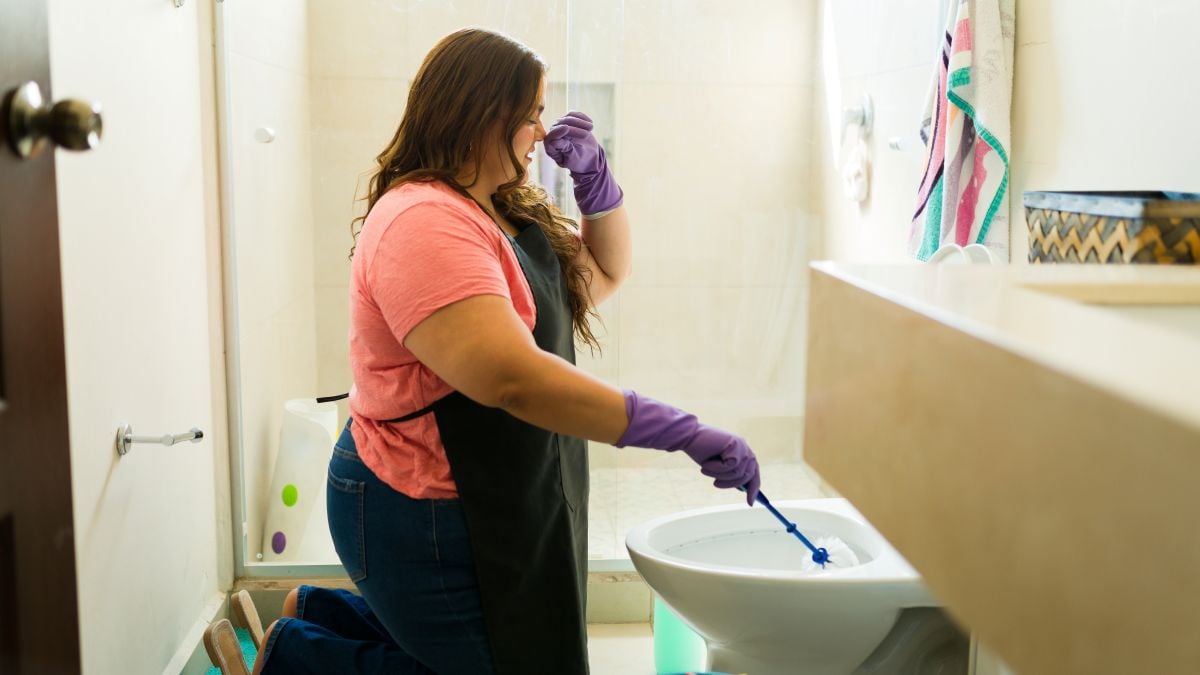
If you’ve noticed a sewer smell in bathroom drains, sinks, or showers, it’s more than just unpleasant… it’s a sign something isn’t right with your plumbing system. These odors can indicate issues like dry traps, vent blockages, or even leaks that allow sewer gases to escape indoors. Understanding what’s causing the smell and how to address it will help you keep your bathroom fresh and your home safe.
- Health and safety: Sewer gases contain methane and bacteria that should never enter your living space.
- Early action: Identifying the source quickly prevents long-term damage.
- Professional help: Some fixes are simple, while others require expert plumbing repair.
Why Your Bathroom Might Smell Like a Sewer
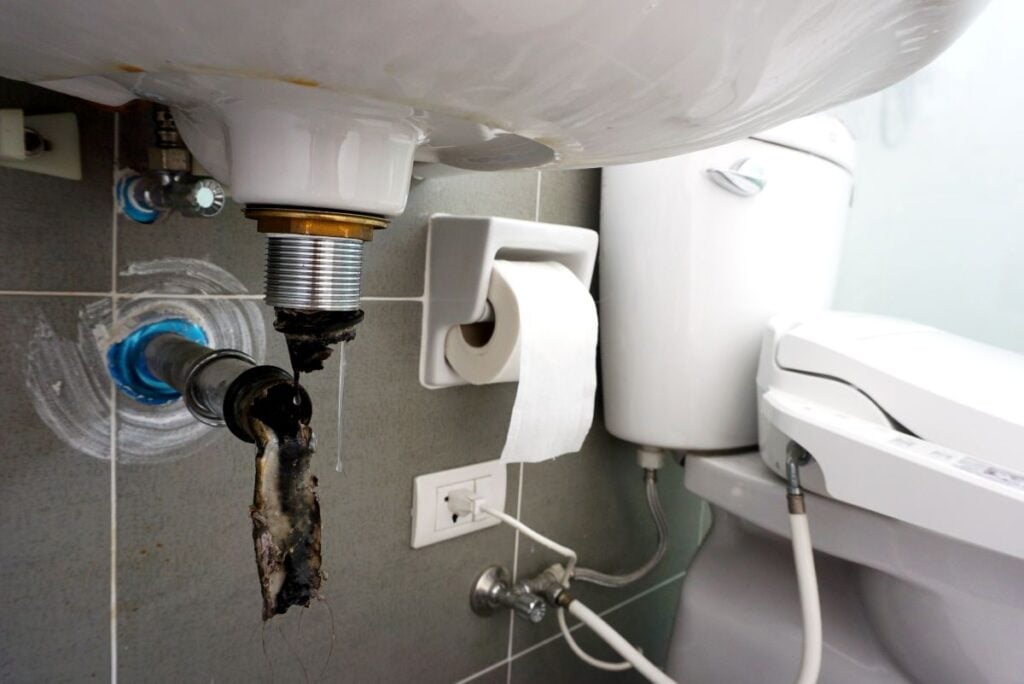
A persistent sewer odor is typically caused by gases escaping from the plumbing system into your home. Every fixture—sink, shower, and toilet—is designed with a trap and vent system to prevent these gases from leaking inside. When that system malfunctions, the smell can appear suddenly or build gradually over time.
Pinpointing the cause of the odor helps you determine whether it’s a quick DIY fix or a sign of a deeper plumbing issue.
6 Common Causes and How To Fix Them
Sewer odors can come from a variety of sources in your bathroom. Below are six of the most common causes, along with practical solutions to help restore a clean and odor-free space.
1. Dry P-Trap
The P-trap is the curved section of pipe under your sink or shower drain. Its purpose is to hold a small amount of water that creates a barrier between your bathroom and the sewer gases below.
- Why it happens: When a sink, shower, or tub goes unused for long periods, the water in the P-trap evaporates, allowing odors to pass through the drain.
- How to fix it: Run water into the drain for about 10 seconds to refill the trap and restore the seal. For rarely used fixtures, pour a tablespoon of mineral oil into the drain to slow evaporation.
- When to call for help: If the smell returns quickly after refilling, there may be a crack in the trap or a larger issue with the drain seal.
Regularly running water in all drains, especially in guest bathrooms, helps prevent this simple but common problem.
2. Clogged or Dirty Drains
Over time, hair, soap scum, and grime can build up in bathroom drains. As organic matter decomposes, it can produce foul odors that mimic the smell of sewage.
- Why it happens: Slow drainage or standing water encourages bacterial growth and decay inside pipes.
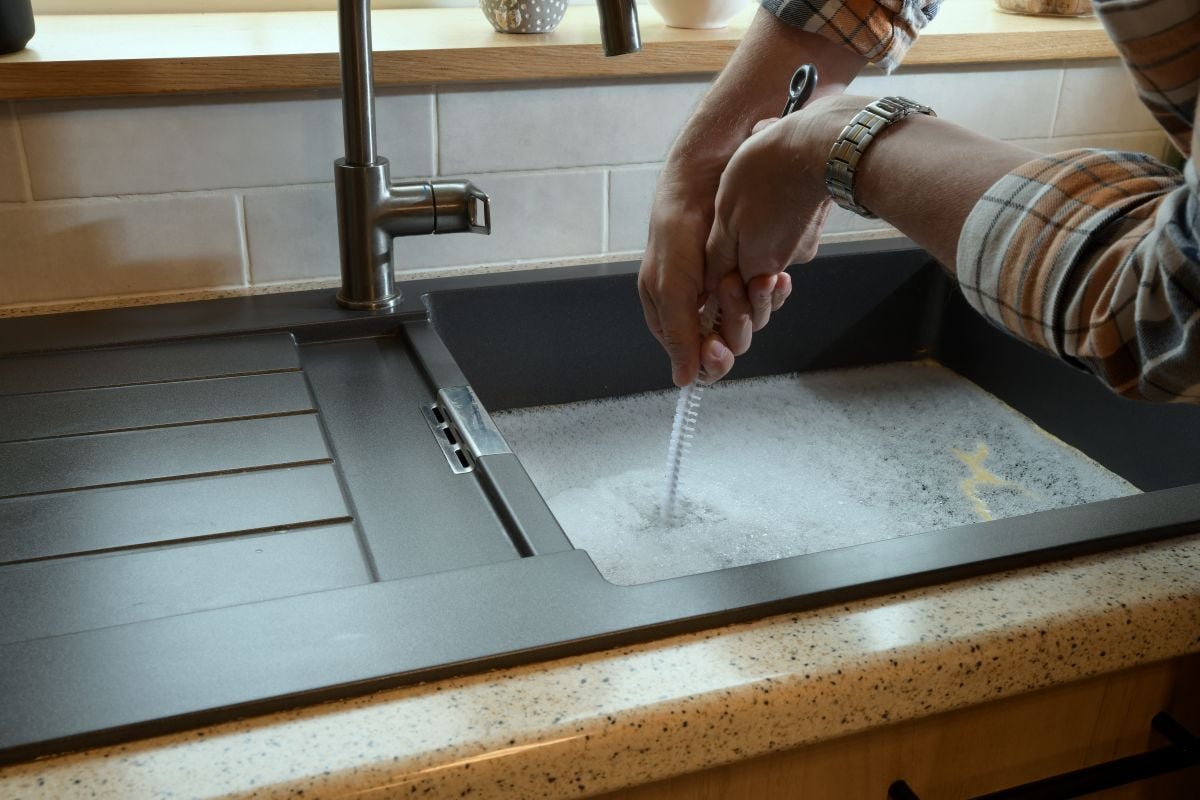
- How to fix it: Remove the drain stopper and clean it thoroughly. Use a drain brush or plumbing snake to remove debris, then flush the drain with hot water and baking soda followed by vinegar.
- When to call for help: If odors persist or drainage remains slow, the blockage may be deeper in the system and require professional cleaning.
Keeping drains clear of buildup not only eliminates odors but also improves water flow throughout your plumbing.
3. Blocked Vent Pipe
Your home’s plumbing vent allows sewer gases to escape safely through the roof. If this vent becomes clogged—often by debris, bird nests, or snow—the gases can back up into your bathroom.
- Why it happens: Obstructions in the vent prevent proper air pressure, causing traps to empty and odors to escape.
- How to fix it: Inspect the vent opening on your roof (if it’s safe to do so) for leaves, twigs, or nests. Clear visible blockages with a long, flexible brush.
- When to call for help: A professional plumber should handle internal or hard-to-reach blockages to prevent roof damage or injury.
Blocked vents are a less obvious but serious cause of sewer smells and should be inspected during routine plumbing maintenance.
4. Damaged Wax Ring on the Toilet
The wax ring beneath your toilet seals the connection between the fixture and the floor drain. If this seal deteriorates, sewer gases can leak into your bathroom even when the toilet appears to function normally.
- Why it happens: Age, improper installation, or movement of the toilet can break the wax seal over time.
- How to fix it: Replace the wax ring by removing the toilet, cleaning the flange, and installing a new seal.
- When to call for help: If you notice water pooling at the base of the toilet or persistent odor after resealing, contact a plumber to inspect for leaks or damaged flooring.
A failing wax ring is one of the most common hidden causes of sewer odors near the toilet area.
5. Cracked or Leaking Pipes
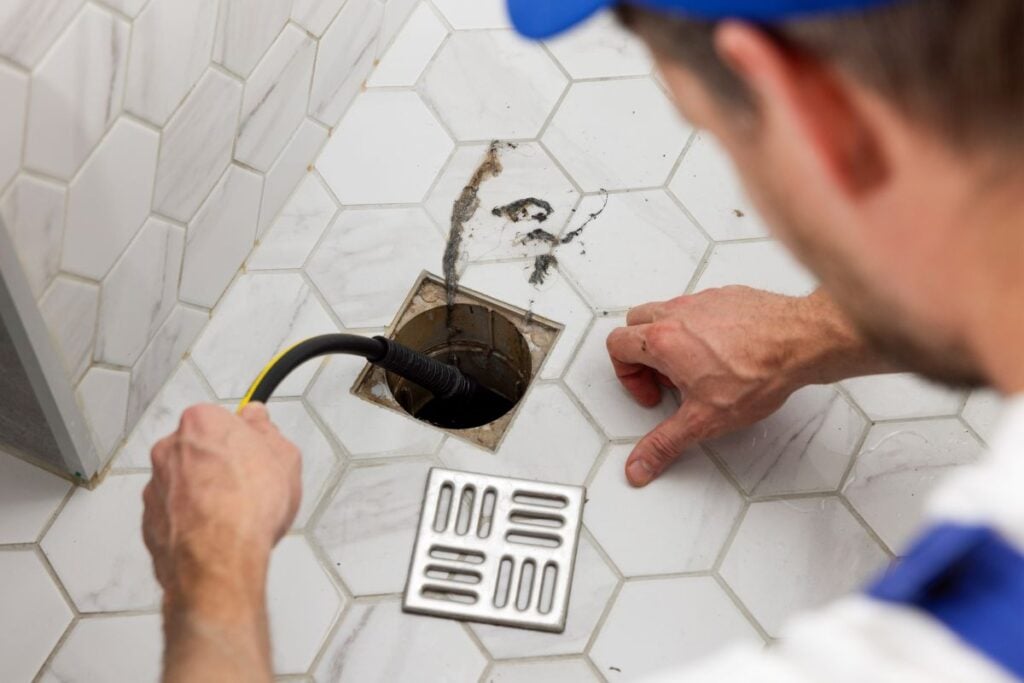
A crack or loose joint in your bathroom drain or vent line can allow sewer gases to escape directly into your walls or flooring. This problem often produces strong odors that worsen when running water or flushing toilets.
- Why it happens: Aging pipes, corrosion, or improper installation can create small gaps where gases escape.
- How to fix it: Inspect visible plumbing for moisture, corrosion, or damage. However, many cracks occur behind walls or under floors.
- When to call for help: Always. A licensed plumber can use smoke or camera inspections to locate and repair leaks without unnecessary demolition.
Fixing pipe leaks promptly is essential not only for odor control but also to prevent moisture damage and mold growth.
6. Sewer Line Issues
If multiple drains in your home emit a foul odor, the problem might be more serious—an issue with your main sewer line. Damage or blockages in the main line can cause sewer gases and waste to back up into the home.
- Why it happens: Tree root intrusion, pipe collapse, or buildup in the main sewer line restricts proper flow and ventilation.
- How to fix it: This is not a DIY task. A professional plumber can inspect the line with specialized cameras and determine whether cleaning, repair, or replacement is needed.
- When to call for help: Immediately. Main sewer line issues pose health risks and can cause significant water damage if left unresolved.
Sewer line problems require prompt professional attention to protect both your plumbing system and your home’s safety.
How To Prevent Sewer Odors in the Future
Preventing sewer smells in the bathroom starts with keeping your plumbing system clean, sealed, and properly vented. Regular maintenance helps eliminate small issues before they lead to unpleasant odors.
By taking a proactive approach, homeowners can maintain a cleaner, more comfortable environment year-round.
- Run water in unused drains: Prevents P-traps from drying out.
- Clean drains monthly: Use baking soda and vinegar to reduce buildup and bacteria.
- Inspect toilets and seals: Watch for leaks or loose fittings around the base.
- Schedule annual plumbing maintenance: A professional inspection helps catch small vent or seal issues early.
- Avoid harsh chemicals: These can damage seals and pipes, leading to future leaks.
Consistent plumbing care keeps your bathroom odor-free and ensures your drainage system functions efficiently.
When To Call a Professional

While minor sewer odors can sometimes be fixed with simple cleaning or resealing, persistent smells often point to deeper plumbing issues. A professional plumber can accurately diagnose the source, ensuring safe and lasting repairs.
Experienced technicians have access to advanced tools, such as camera inspections and smoke tests, to locate leaks or vent problems quickly. Professional help is especially important if multiple drains are affected or if odors intensify over time.
Eliminate Bathroom Odors With Expert Guidance
A sewer smell in bathroom spaces is more than a nuisance, it’s a warning sign that your plumbing system needs attention. Whether it’s a dry trap, damaged seal, or hidden leak, addressing the issue early prevents costly repairs and keeps your home safe and comfortable.
For reliable diagnosis and long-lasting solutions, reach out to Lorenz for expert guidance. We help Springfield homeowners maintain healthy, efficient plumbing systems so their homes stay comfortable and worry-free year-round.

Lorenz: Your Friends in Heating Plumbing & Air
Reach Out Today!
We’re here 24/7—send us a message and we’ll be in touch shortly.


