


6 Common Reasons Your Thermostat Is Not Working
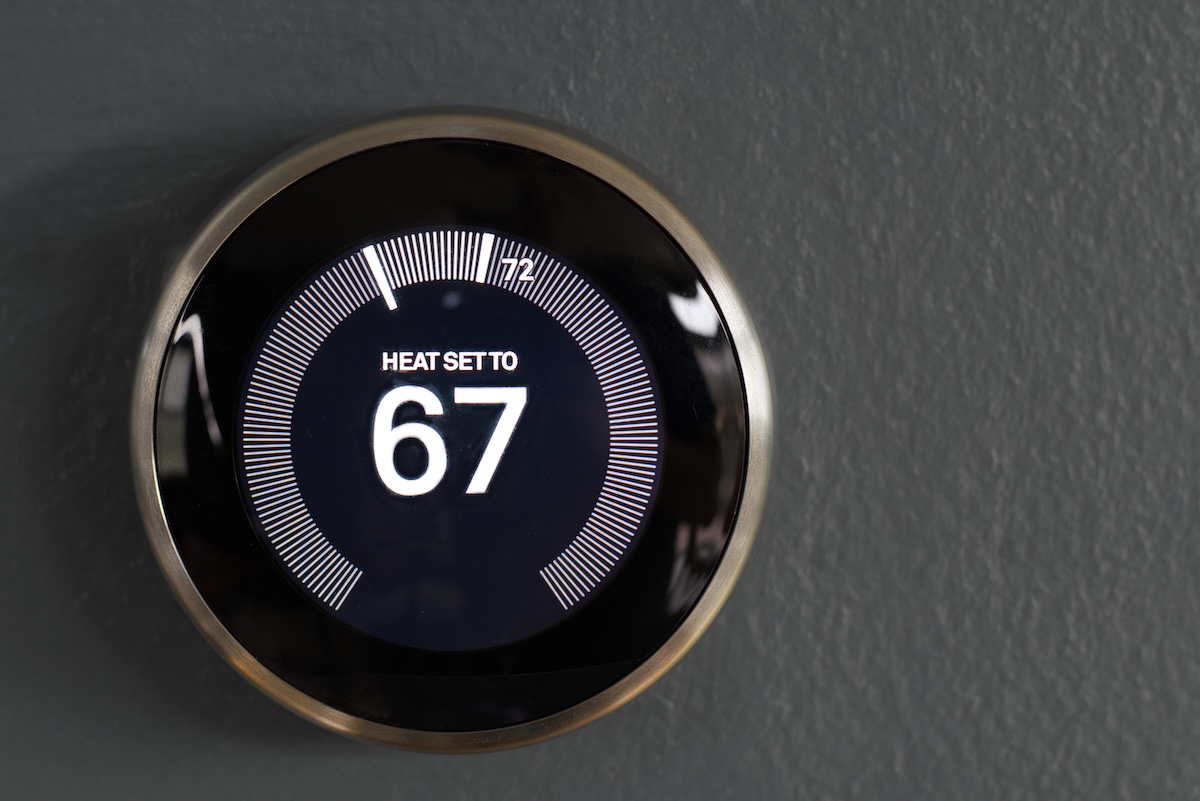
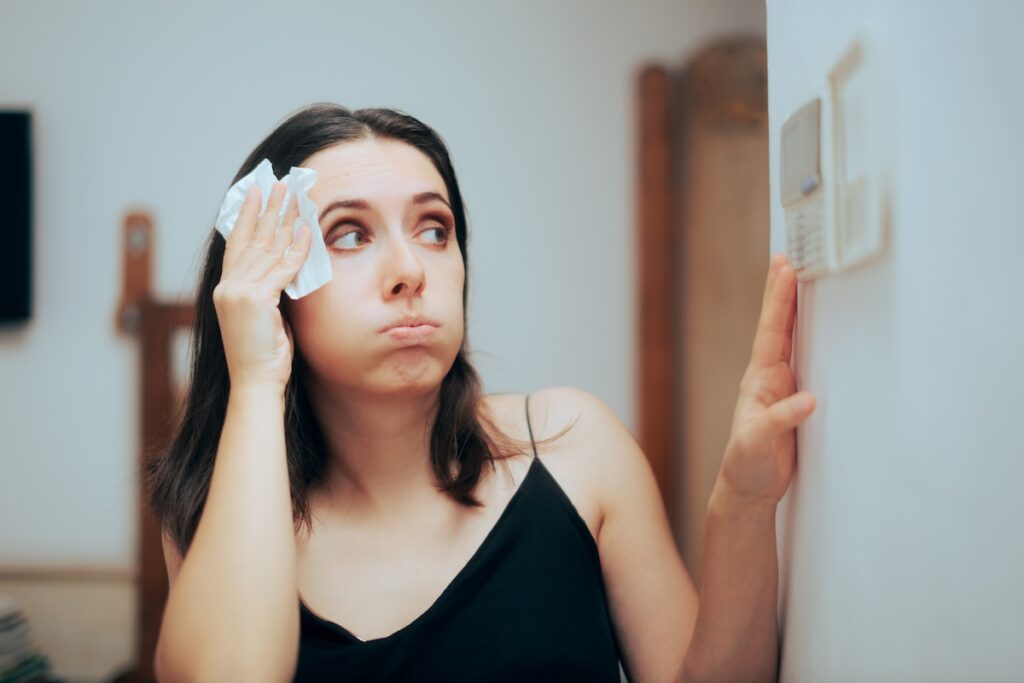
If you’ve ever found your home too hot or too cold despite adjusting the controls, you might be dealing with your thermostat not working properly. The thermostat is the “brain” of your heating and cooling system, responsible for signaling when your furnace or air conditioner should turn on or off. When it malfunctions, your entire HVAC system can seem off balance. Understanding the most common causes can help you troubleshoot the problem—or know when it’s time to call an HVAC professional.
- Temperature discomfort: A faulty thermostat leads to uneven heating or cooling in your home.
- Higher energy bills: Malfunctioning thermostats cause systems to run longer than needed.
- Preventable repairs: Catching problems early helps avoid unnecessary HVAC wear and damage.
Why Your Thermostat Matters
Your thermostat is more than just a simple dial or digital display. It’s a sensitive control device that communicates constantly with your HVAC system to regulate indoor temperature. When it stops functioning properly, your system can run continuously, shut off unexpectedly, or fail to turn on at all.
Regular thermostat maintenance and calibration ensure your heating and cooling equipment perform efficiently. If something feels “off” about your home’s temperature, the thermostat is often the first place to check.
6 Common Reasons Your Thermostat May Not Be Working
If your thermostat isn’t behaving as expected, one of these issues is likely to blame:
1. Dead or Low Batteries
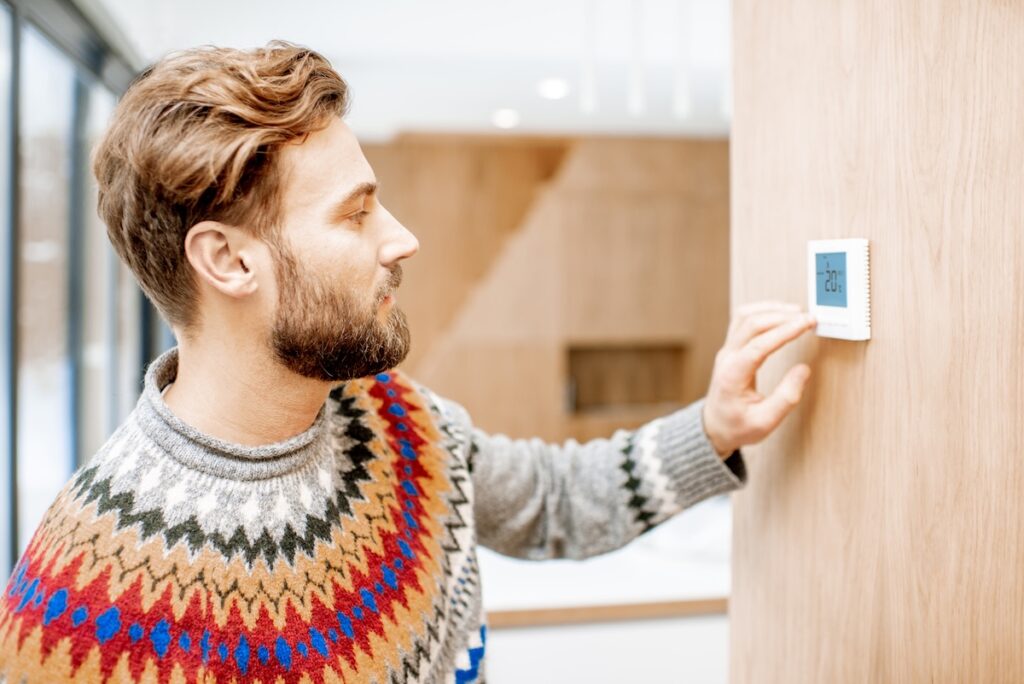
Many modern thermostats rely on batteries for power. When those batteries die or become weak, the thermostat can lose its connection with your HVAC system or shut down entirely. Replacing the batteries is often the easiest and quickest fix. Most units need new batteries once or twice per year—changing them every spring or fall is a good habit.
2. Dirty or Dusty Components
Dust and dirt can collect inside your thermostat over time, interfering with its sensors and internal wiring. When that happens, temperature readings become inaccurate, and your system may cycle on and off unpredictably. Gently remove the thermostat cover and use a soft brush or canned air to clean it. Keeping the area around the thermostat clean also helps prevent future buildup.
3. Electrical or Wiring Issues
Loose, frayed, or corroded wires can disrupt communication between the thermostat and your HVAC system. This problem can cause the unit to flicker, fail to respond, or show a blank screen. If you suspect electrical issues, it’s best to call a professional technician. Handling wiring yourself can be dangerous and may void system warranties if not done correctly.
4. Incorrect Thermostat Placement
Where your thermostat is located in your home matters more than you might think. If it’s installed near a window, vent, or heat source, it can pick up false temperature readings. For example, sunlight or nearby lamps can make the thermostat think your home is warmer than it is, preventing your furnace from turning on. The ideal spot is an interior wall away from direct sunlight and drafts.
If moving the thermostat doesn’t resolve your heating issues, it may indicate a deeper mechanical fault that requires professional gas furnace repair to restore your home’s comfort and ensure all components are communicating correctly.
5. Outdated or Malfunctioning Unit
Older thermostats can lose accuracy over time, especially mechanical ones with metal coils or mercury switches. Even some early digital models wear out or lose calibration. If your thermostat is over ten years old, upgrading to a modern programmable or smart thermostat is often the best solution. Newer units offer more precise control, energy-saving features, and remote access through mobile apps.
6. HVAC System Problems
Sometimes, the issue isn’t the thermostat at all—it’s your heating or cooling system. Blown fuses, tripped circuit breakers, or internal equipment failures can make it seem like the thermostat is broken when the problem lies elsewhere. If your thermostat is on and displays correctly but your system won’t respond, a professional inspection is needed to pinpoint the cause.
DIY Troubleshooting Tips
Before calling for professional service, homeowners can try a few quick steps:
- Check power sources: Make sure your thermostat has working batteries or is receiving power from the breaker panel.
- Reset the thermostat: Many models have a small reset button or can be reset by removing batteries for a minute.
- Verify settings: Ensure your thermostat is set to the correct mode (heat or cool) and temperature.
- Inspect for dust: Gently clean the surface and vents to remove buildup.
- Test another room temperature: Use a portable thermometer to compare readings. If they differ significantly, calibration may be needed.
If none of these solutions work, the problem may be internal and require professional repair or replacement.
When to Call a Professional
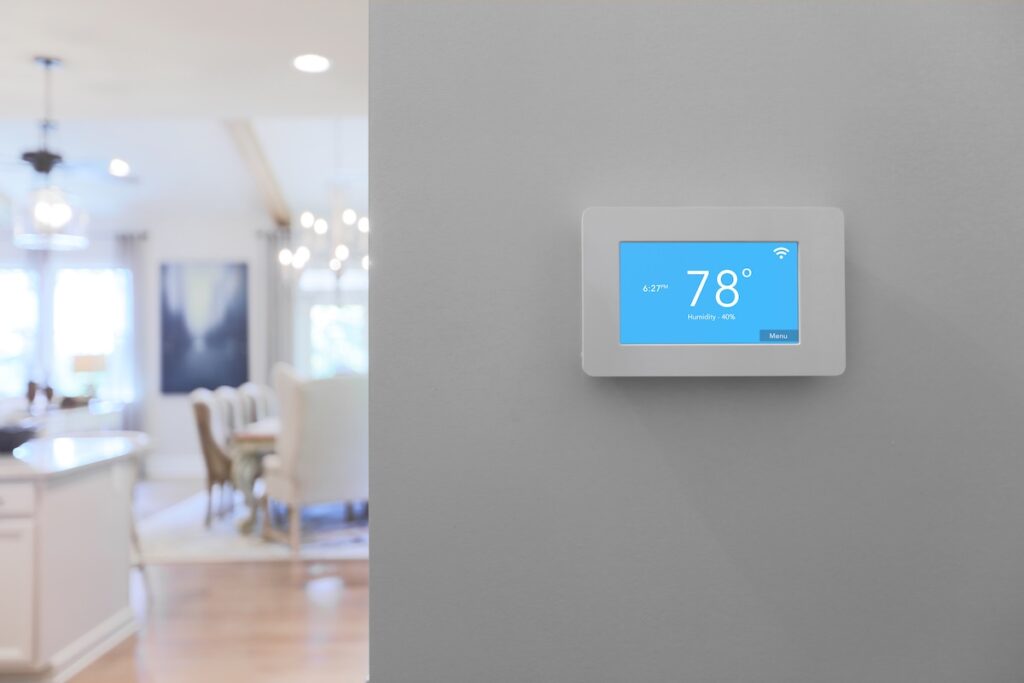
If your thermostat screen is blank, unresponsive, or your HVAC system refuses to turn on despite trying these fixes, it’s time to call in an expert. Professional HVAC technicians can:
- Test wiring and voltage to identify electrical faults.
- Calibrate sensors for accurate temperature readings.
- Determine if the thermostat or HVAC equipment is at fault.
- Recommend and install new thermostats that fit your system and lifestyle.
With proper diagnosis and service, your thermostat will regain its accuracy and your comfort levels will stabilize. While a calibrated thermostat is essential for daily control, the overall efficiency of your climate control starts with a high-quality heating system installation. Ensuring your furnace and controls are professionally integrated from day one is the best way to prevent future calibration issues and guarantee long-term reliability for your home.
Preventing Future Thermostat Issues
A little maintenance goes a long way in preventing thermostat problems:
- Change batteries regularly: Once or twice per year is ideal.
- Schedule annual HVAC maintenance: During seasonal tune-ups, Lorenz technicians check thermostat performance as part of your service.
- Keep it clean and clear: Avoid placing furniture, lamps, or appliances near the thermostat.
- Upgrade periodically: Replacing an older unit with a smart thermostat improves both comfort and energy efficiency.
Count on Lorenz for Reliable Comfort Control
A thermostat not working can throw your whole heating and cooling system off balance, but understanding the common causes helps you take quick action. From dead batteries and wiring problems to outdated models and system malfunctions, knowing what to look for saves time and frustration.
At Lorenz Plumbing Heating & Air, we specialize in diagnosing and repairing thermostat issues quickly and accurately. Whether you need a repair, recalibration, or an upgraded thermostat installation, our team is ready to help. Contact Lorenz today for expert HVAC service that keeps your home comfortable and energy-efficient year-round.


Lorenz: Your Friends in Heating Plumbing & Air
Reach Out Today!
We’re here 24/7—send us a message and we’ll be in touch shortly.


