




Step by Step Water Softener Installation
If you’re considering water softener installation, you might be wondering what the process looks like and whether it’s something you can handle yourself or should leave to the professionals. Hard water can take a toll on your plumbing, appliances, and even your skin, so adding a softener system is a smart investment for many homeowners. By understanding the steps, you’ll know what to expect and how the system benefits your home.
- Better water quality: A water softener helps reduce mineral buildup and makes your water gentler on pipes, fixtures, and skin.
- Appliance protection: Softened water prevents scale that shortens the lifespan of dishwashers, water heaters, and washing machines.
- Everyday comfort: Cleaner, softer water improves everything from laundry results to how soap lathers in the shower.
Why Water Softener Installation Matters
Hard water is common in many areas, and while it’s safe to drink, it can cause long-term issues for your home. Calcium and magnesium deposits clog pipes, leave spots on dishes, and lower appliance efficiency. Installing a water softener addresses these problems head-on, giving your home better water flow and cleaner results.

Identifying Hard Water in Your Home
Hard water is defined by elevated levels of dissolved minerals—primarily calcium and magnesium. According to the U.S. Geological Survey (USGS), water is considered hard when it contains more than 60 mg/L (3.5 grains per gallon) of these minerals, and very hard when levels exceed 180 mg/L.
Common signs of hard water include:
- Chalky white scale buildup on faucets, showerheads, and inside appliances
- Spots or streaks on glassware and dishes, even after washing
- Dry, itchy skin and dull hair, caused by soap residue that doesn’t rinse away easily
- Reduced water pressure over time due to mineral scale inside pipes
The U.S. Environmental Protection Agency (EPA) estimates that 85% of U.S. homes have hard water, making it one of the most common household water issues. While hard water is not a health risk, it can shorten appliance lifespan and reduce cleaning efficiency.
For accuracy, a professional water test or a certified lab analysis can confirm hardness levels and identify other minerals present. This data-driven approach helps homeowners choose the correct water treatment solution rather than guessing.
Benefits of Softened Water
Water softening systems remove excess calcium and magnesium through ion exchange, delivering measurable household benefits. Studies cited by the Water Quality Association (WQA) show that homes with softened water can reduce soap and detergent use by up to 50%, since soft water allows products to lather more efficiently.
Key benefits include:
- Longer appliance lifespan: The U.S. Department of Energy reports that scale buildup can reduce water heater efficiency by up to 30%, increasing energy costs and wear
- Lower maintenance and repair costs for plumbing, fixtures, and water-using appliances
- Cleaner laundry, with fabrics retaining color and softness longer
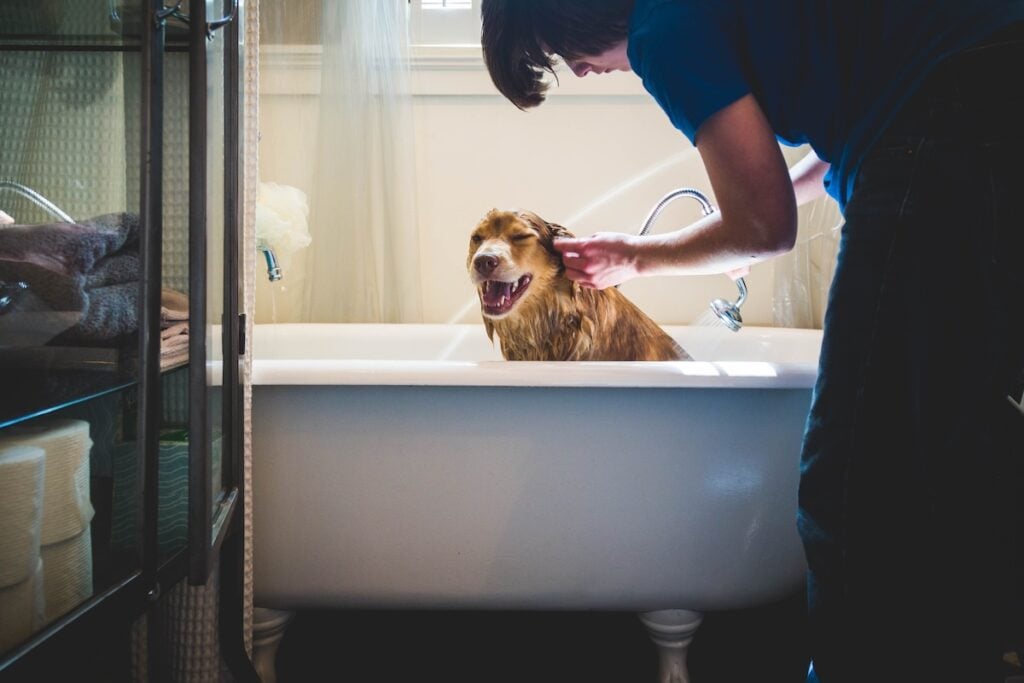
- Healthier skin and hair, due to less soap residue left behind
From a financial standpoint, softened water can lead to hundreds of dollars in annual savings by lowering energy bills, extending appliance life, and reducing cleaning product usage. Over time, these savings often offset the initial cost of installation, making water softening a practical long-term investment rather than a luxury upgrade.
9 Step Water Softener Installation Process
If you’re curious about how water softener systems are installed, here’s a breakdown of the typical process professionals follow.
- Choose the right location: The system is usually installed near your main water line, often in a basement, garage, or utility room. Proximity to a drain and power source is essential.
- Turn off the water supply: Before work begins, the main water supply is shut off to prevent leaks or flooding.
- Drain existing water lines: Any remaining water in your pipes is drained to make cutting into the plumbing cleaner and safer.
- Cut into the main water line: A section of the lead water service line is removed so the softener can be connected. This step requires careful plumbing to ensure a proper seal.
- Install bypass valve: A bypass valve allows you to turn the softener on or off without disrupting the entire water supply.
- Connect inlet and outlet pipes: The pipes leading into and out of the softener are attached, ensuring that water flows correctly through the system.
- Set up the drain line: The softener needs a way to discharge wastewater during its regeneration cycle, usually into a floor drain or utility sink.
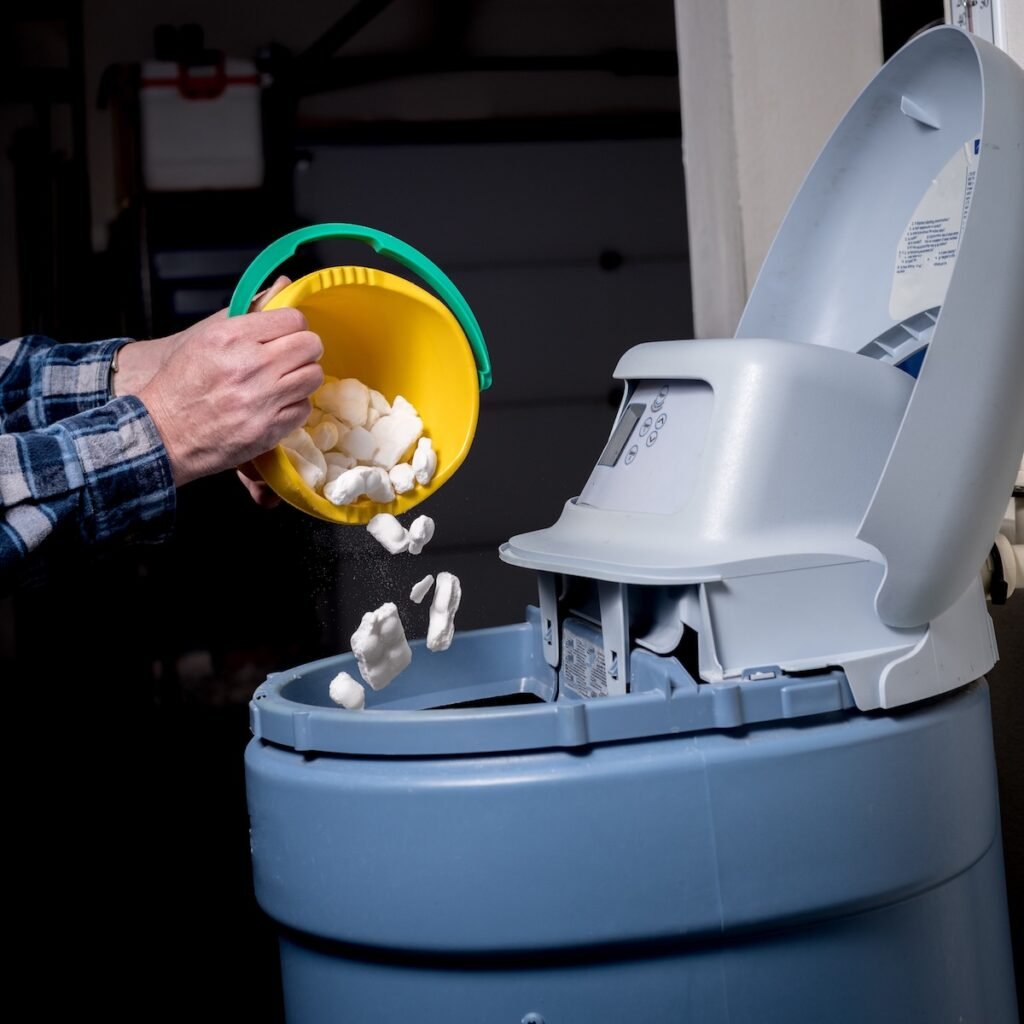
- Install the brine tank and add salt: The brine tank is filled with salt pellets or crystals that are essential for the regeneration process.
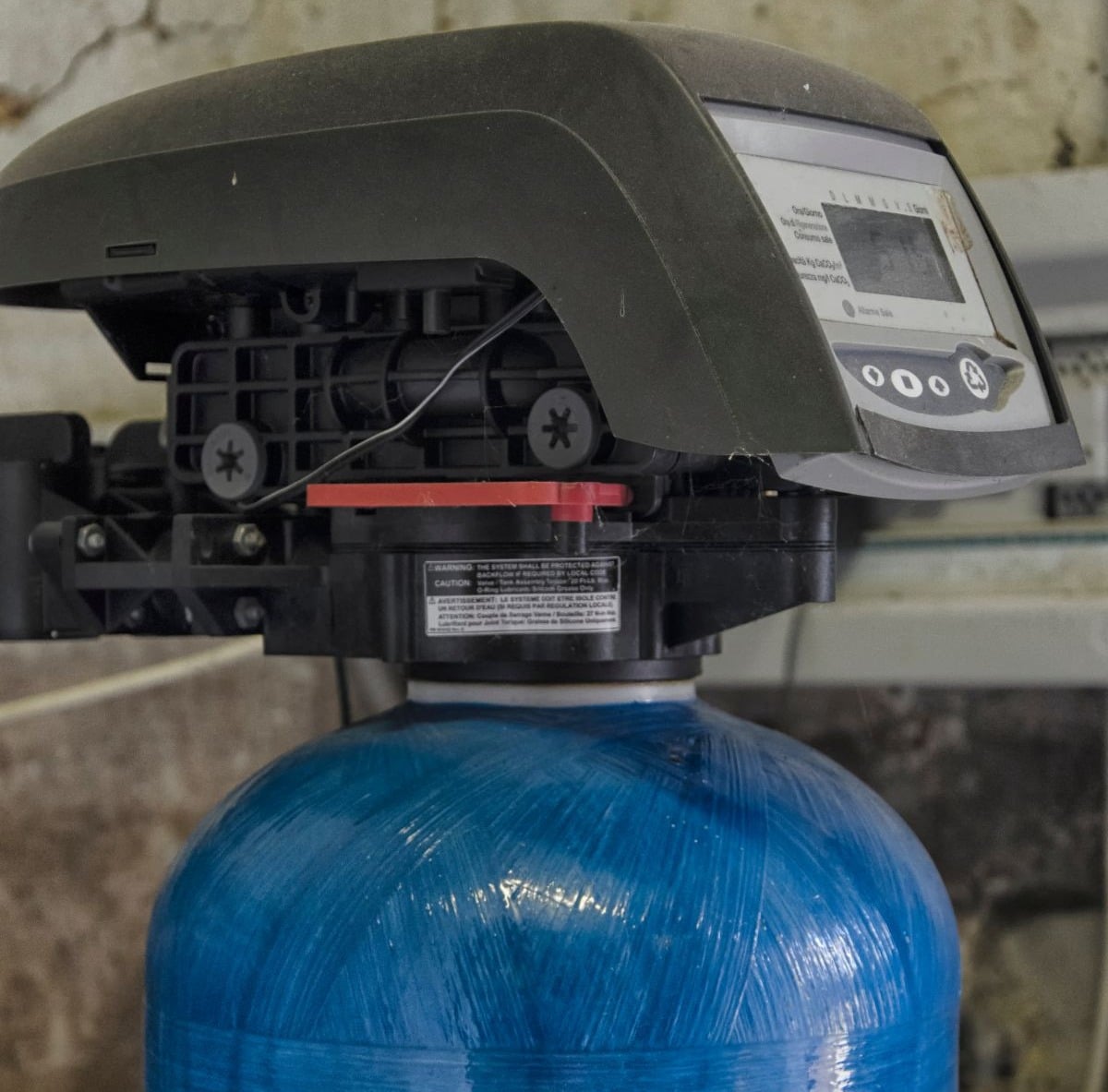
- Program and test the system: Once everything is connected, the system is programmed, and a test cycle ensures that water is flowing correctly and softening as intended.
DIY vs Professional Installation
Installing a water softener might seem straightforward, but it involves plumbing skills, cutting into main lines, and ensuring everything is sealed properly.
When DIY Might Work
If you’re handy with plumbing and already have the right tools, you may be able to handle a basic installation. Pre-plumbed homes with dedicated hookups for a softener make DIY installation easier and less risky.
Why Professional Installation Is Better
For most homeowners, professional installation is the safer choice. Technicians ensure the system is set up correctly, meets local plumbing codes, and is optimized for your home’s water usage. Plus, professional service often includes warranties and ongoing support if you run into problems.
Maintaining Your Water Softener
Once your water softener is installed, regular maintenance is important to keep it working efficiently.
Routine Maintenance Tasks
- Check salt levels: Keep the brine tank at least half full of salt pellets or crystals.
- Clean the tank: Over time, salt bridges and sludge can form, so cleaning the tank once a year prevents issues.
- Schedule tune-ups: Annual inspections by a professional ensure your system stays in top condition.
- Monitor water quality: If you notice hard water signs returning, it may be time to service the system.
Cost Considerations for Water Softener Installation
The cost of installing a water softener depends on the type of unit, the complexity of the plumbing, and whether you hire a professional contractor.
Factors Affecting Price
- System type: Traditional salt-based softeners tend to cost more than salt-free alternatives.
- Size and capacity: Larger homes require bigger systems, which come at a higher price.
- Labor costs: Professional installation adds to the cost but ensures long-term performance and reliability.
- Upgrades: Adding extra features like smart monitoring systems can increase your investment.
Trust Lorenz for Hassle-Free Water Softener Installation
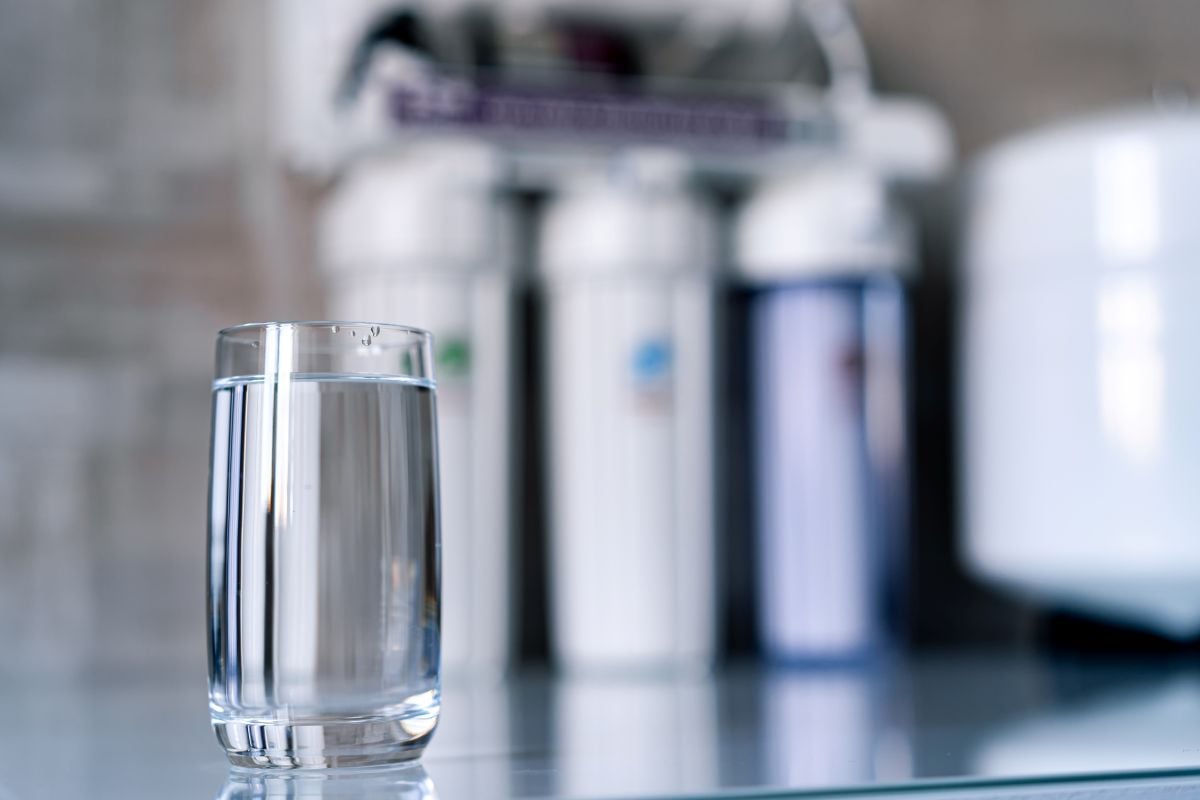
Water softener installation brings lasting benefits to your home, from protecting appliances to improving daily comfort. Knowing the steps involved helps you appreciate the importance of professional expertise and ongoing maintenance. While DIY might be tempting, having the job done right the first time gives you peace of mind.
Beyond basic appliance protection, a softener is a critical foundation for high-performance upgrades. This is especially true if you are planning to install an electric tankless water heater, as these units are highly sensitive to mineral scale. By ensuring your water is properly treated first, you can maximize the energy efficiency and lifespan of your new heating system.
At Lorenz Plumbing Heating & Air, we specialize in reliable water softener installation that’s tailored to your home’s needs. Our team ensures everything is set up properly so you can enjoy cleaner, softer water without the stress. Contact Lorenz today and let us help you make the switch to better water with expert care.

Lorenz: Your Friends in Heating Plumbing & Air
Reach Out Today!
We’re here 24/7—send us a message and we’ll be in touch shortly.


